
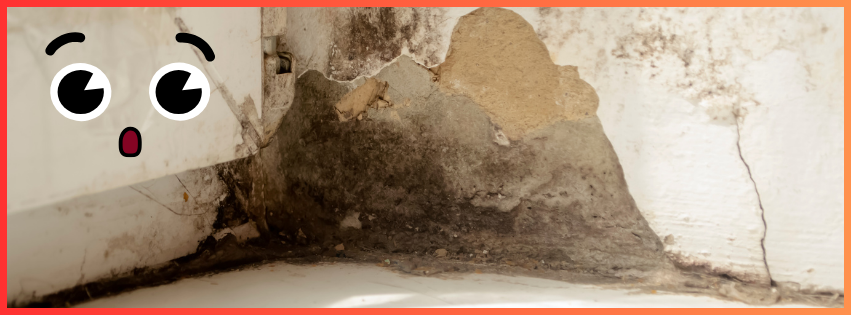
Over the past month, our team here at the MN Mold Company in St. Paul has been knee-deep (sometimes literally) in some of the most fascinating and eye-opening mold cases we’ve ever encountered. From hidden infestations behind pristine walls to businesses unknowingly hosting a mold metropolis, we’ve seen it all. And it’s got us thinking: if mold can sneak up on these places, what’s stopping it from invading yours?
So grab a cup of your favorite brew (you know I’m partial to a good americano), settle in, and let’s embark on this journey together. Trust me, what you learn here might just save you a lot of headaches—literally and figuratively.
Real Case Recap: A Closer Look at Mold Removal in Action
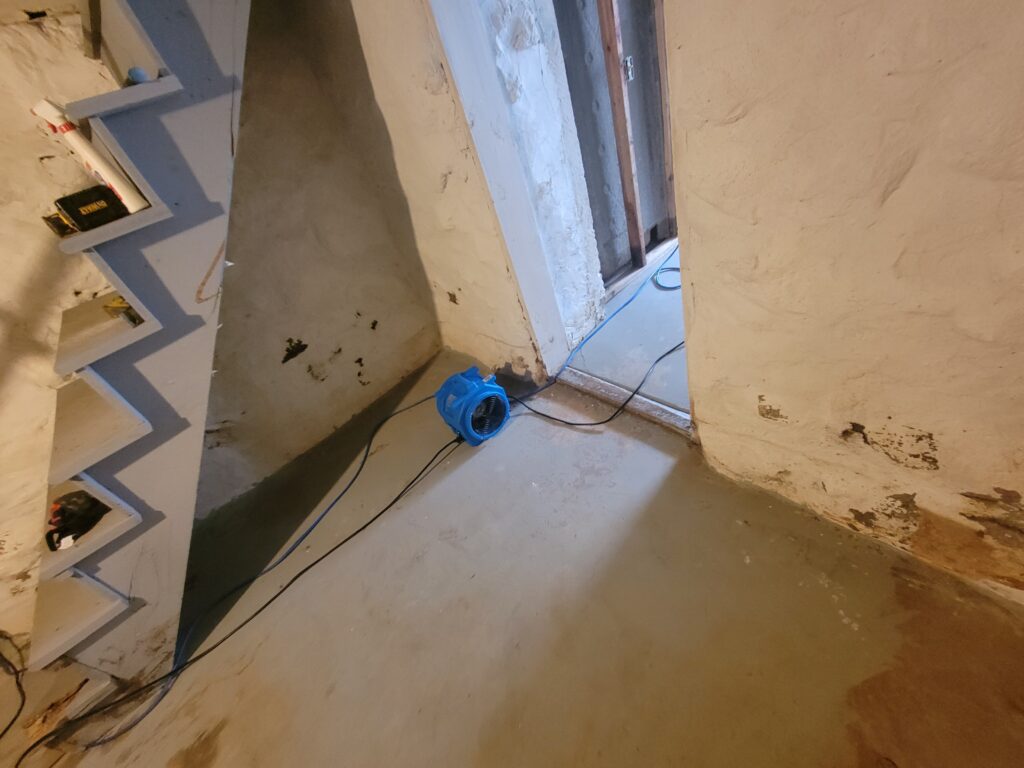
This past month, our team tackled an especially challenging mold remediation case at a local St. Paul home. The problem? An extensive mold infestation that had taken root in the basement and spread through various parts of the home, likely due to past water damage in the ceiling and wall joints on the first floor.
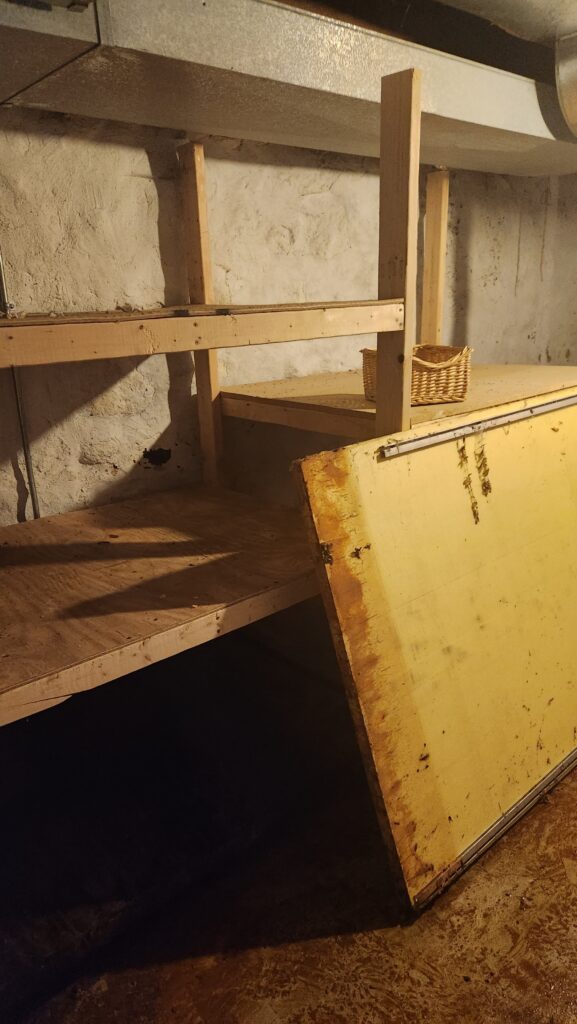


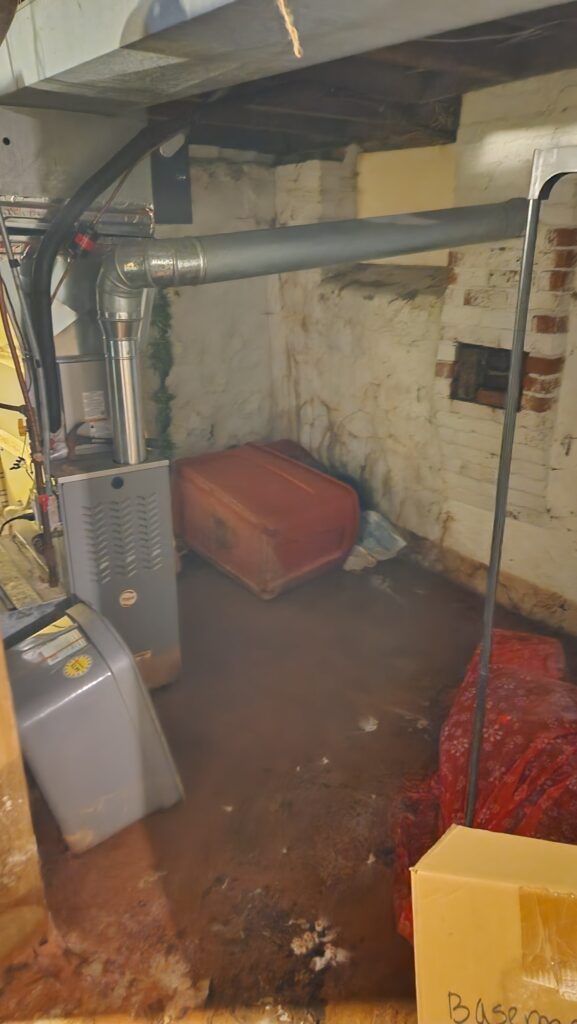
The Problem:
Upon assessment, we found high concentrations of microbial growth, especially in the basement, where all contents—except for a few salvageable items—had to be discarded. The growth was so significant that it required cutting off production at one point due to poor air quality caused by power washer fumes and mold spores.



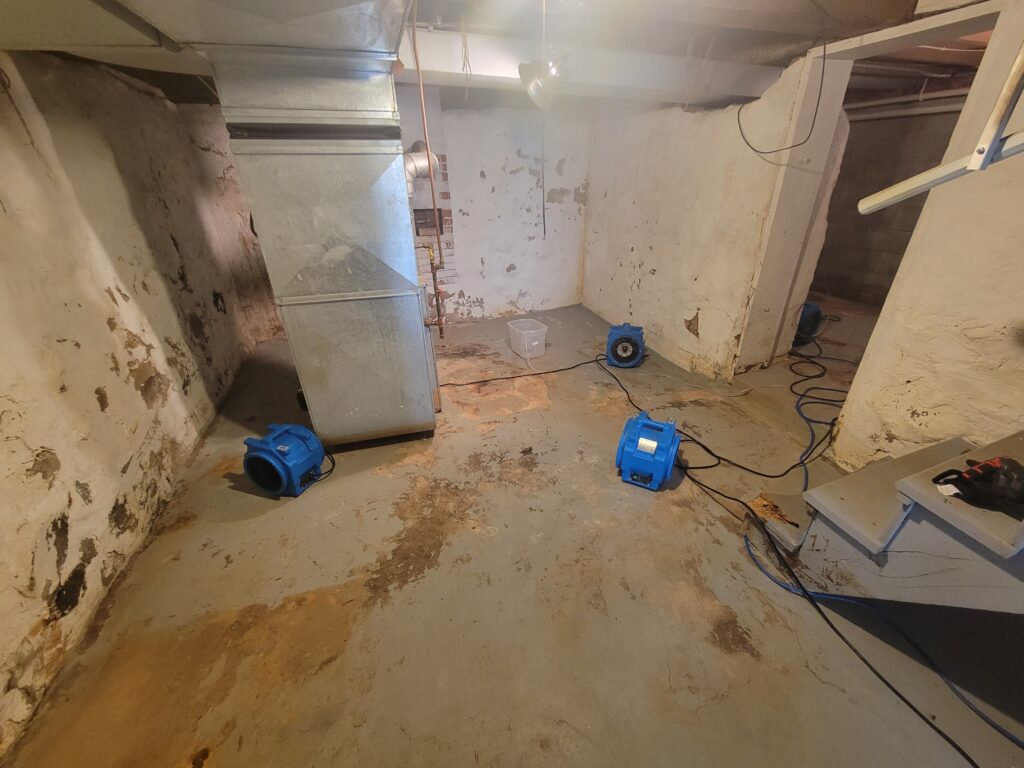


The Solution:
For any packaged cleaner or mold-control product, follow the manufacturer's current product label and safety instructions. Product choice does not replace correcting the moisture source or evaluating affected materials.
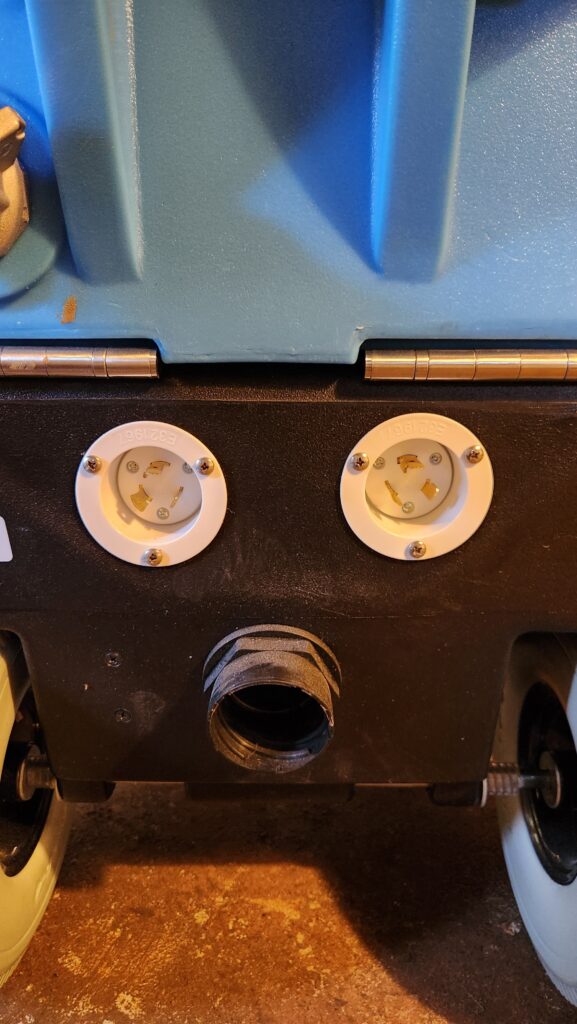

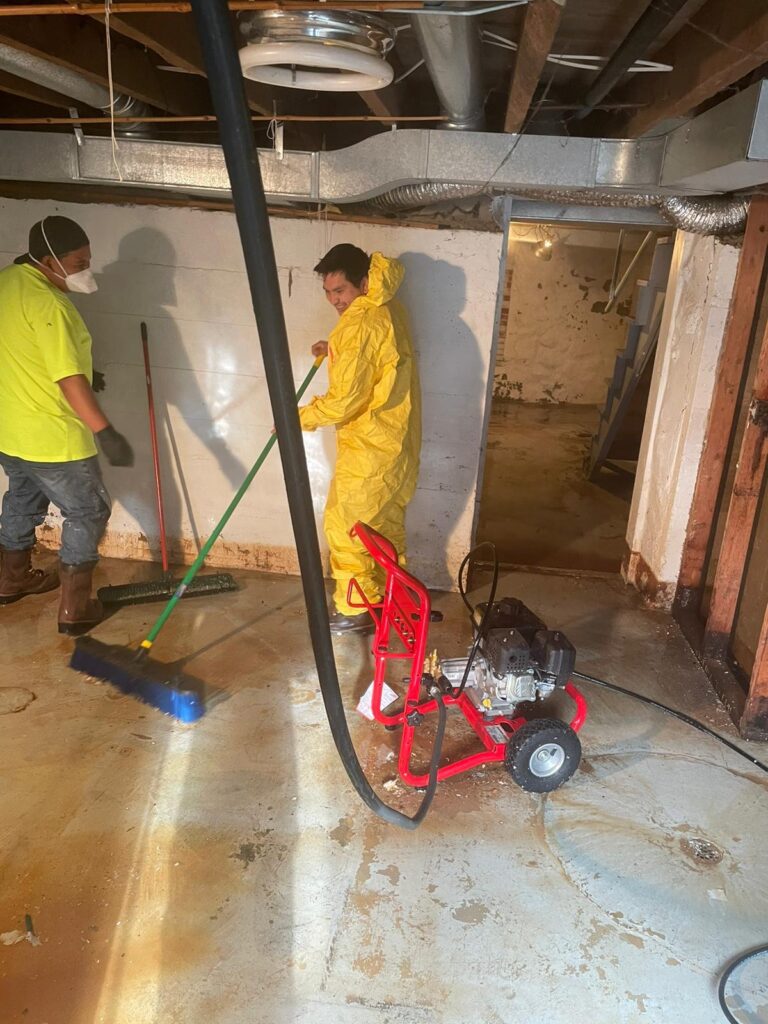
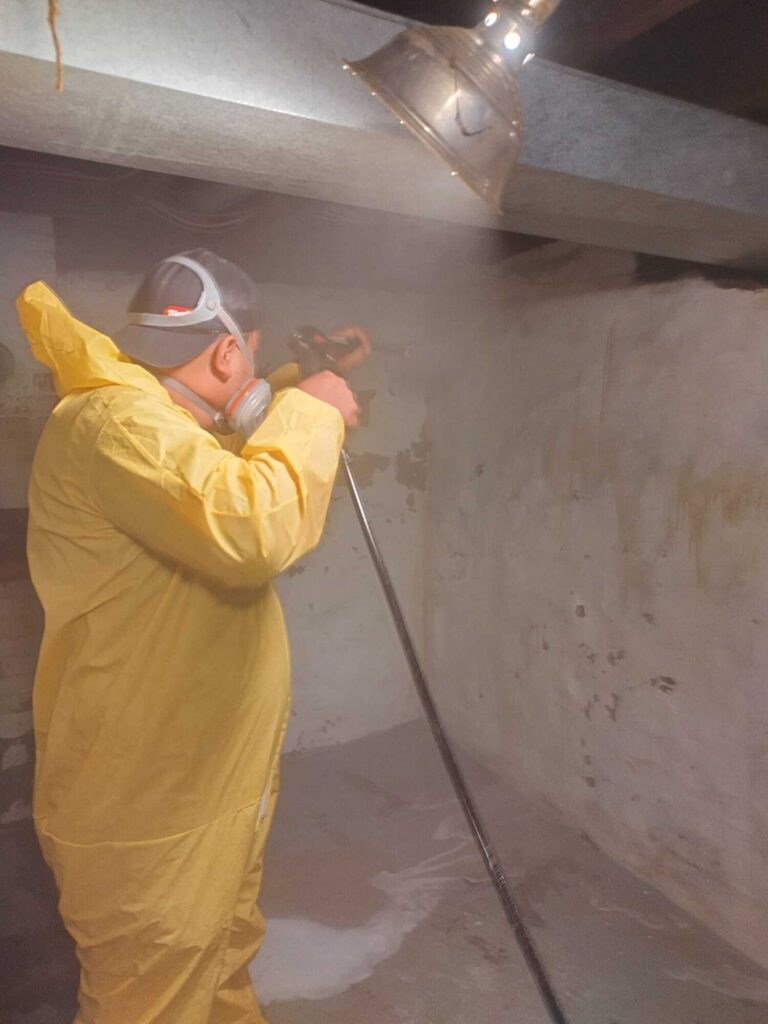


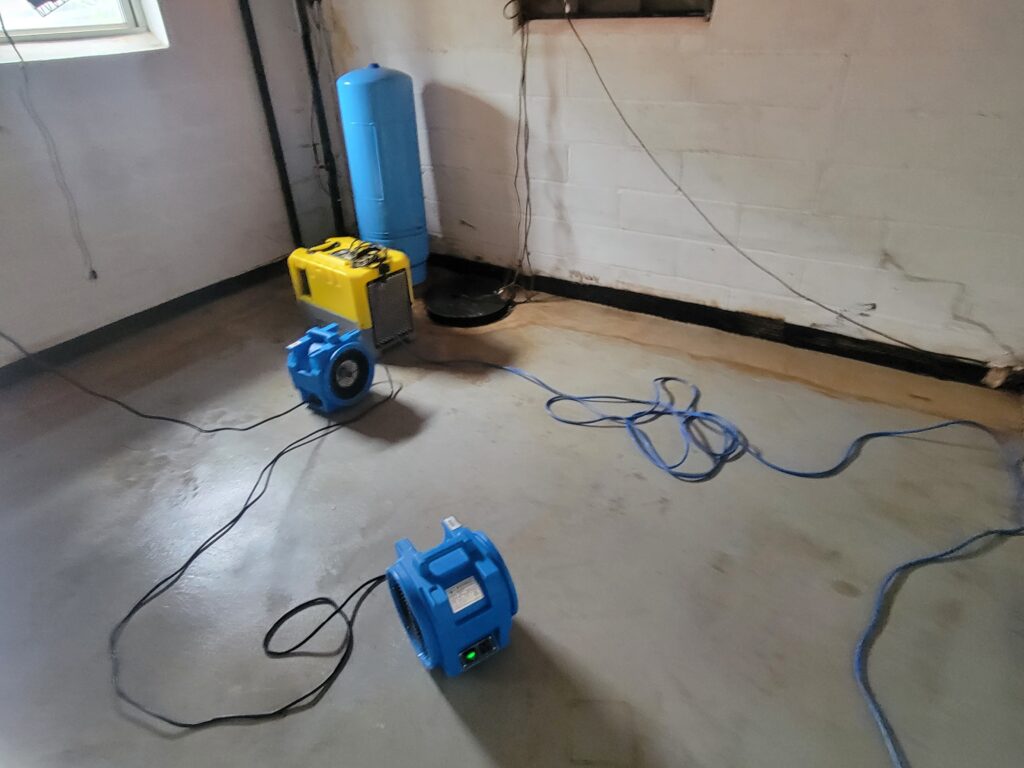


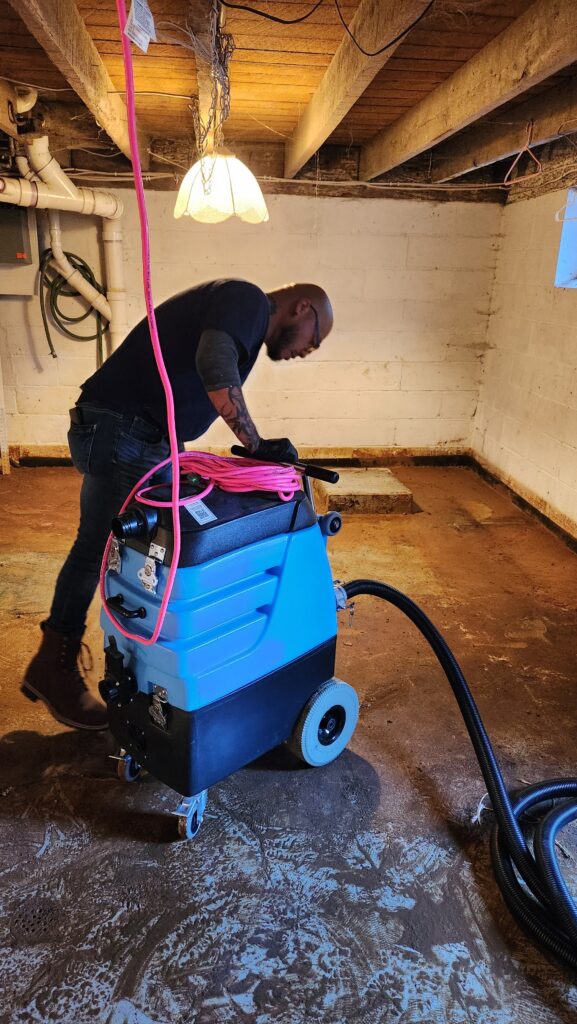
After ensuring proper ventilation and stabilizing the environment, we removed wooden shelving as requested by the homeowner. To further prevent future growth, we sprayed antimicrobial solutions after removing the remaining equipment, giving the space one last safeguard.
The Result:
Within a few days, the transformation was remarkable. By addressing both the visible mold and the underlying humidity problem, we were able to restore the basement to a safe, mold-free space. The air quality improved dramatically, and the homeowner could rest easy knowing the risk of mold was minimized.


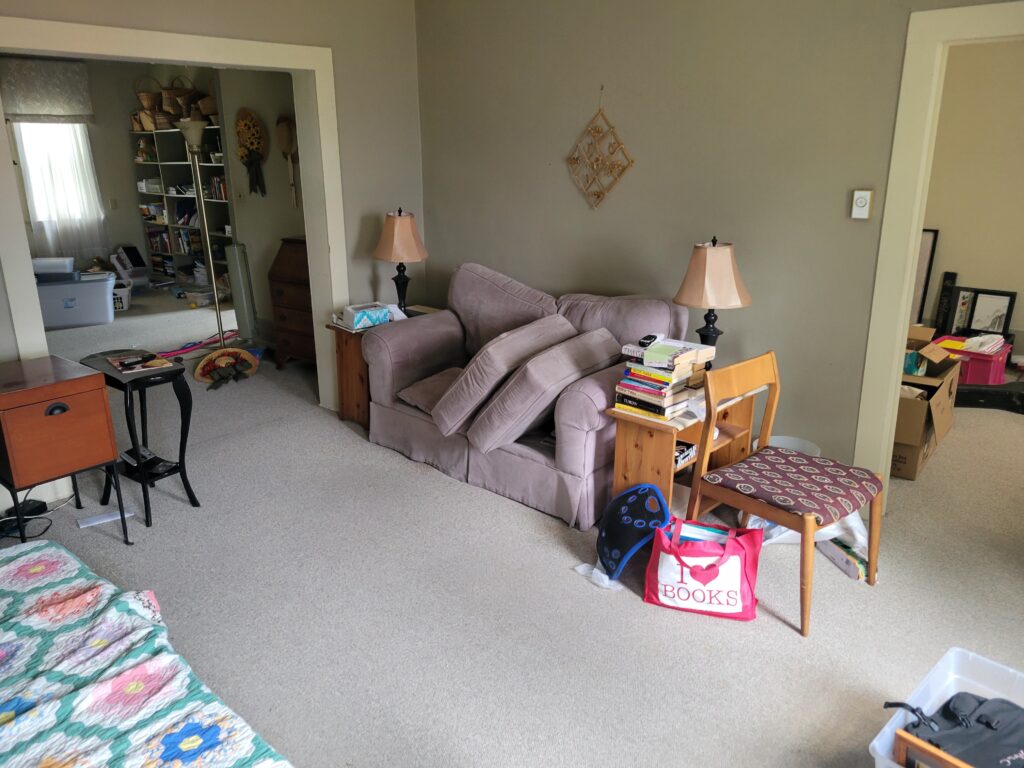


This case is a perfect reminder: mold isn’t always obvious, but its effects can be devastating if left untreated. Stay vigilant and look out for signs of moisture or unusual smells—it might just save you from a much bigger headache down the road.
Frequently Asked Questions about Mold Removal in St Paul:
- Q: What are the most common signs of mold in a home?
A: Common signs of mold include:
- Visible mold growth (often appearing as black, green, or white spots)
- Musty or damp odors
- Water stains on walls or ceilings
- Peeling wallpaper or paint Reference: Environmental Protection Agency – Mold
- Headaches
- Skin irritation
- Q: How can I prevent mold growth in my home?
A: To prevent mold growth:
- Fix leaks and water damage promptly
- Ensure proper ventilation, especially in bathrooms and kitchens
- Use mold-resistant products in high-moisture areas
- Clean and dry any damp areas within 24-48 hours Reference: United States Environmental Protection Agency – Mold Course Chapter 2