
Ever looked up and seen water stains on your ceiling? These stains are often the first sign of a problem. But what do they mean, and why do they show up?
We’ll explore the mystery of ceiling stains in this article. We’ll find out what causes them and how to stop them. From leaks to HVAC issues, we’ll cover it all. You’ll learn how to protect your home from ceiling stains.
Key Takeaways
- Water stains on ceilings are often the first sign of an underlying moisture issue in your home.
- Leaky plumbing, HVAC system problems, and condensation can all contribute to ceiling discoloration.
- Ignoring ceiling stains can lead to significant water damage, mold growth, and structural issues if left unaddressed.
- Proper inspections, maintenance, and prompt repairs are crucial to prevent and resolve ceiling stain problems.
- Seeking professional assistance may be necessary for complex or concealed ceiling stain issues.
Introduction: Decoding the Enigma of Ceiling Stains
Ever looked up and seen a water stain or discoloration on your ceiling? These spots are not just ugly; they can also mean there’s a bigger problem. We’ll explore the top causes of ceiling stains to help you fix the issue and keep your ceiling looking great.
Too much moisture is a big reason for discolored ceilings. It could be from leaks, HVAC problems, or just too much humidity. Knowing about water damage on ceilings is key to fixing it right.
| Common Causes of Ceiling Stains | Description |
|---|---|
| Plumbing Leaks | Faulty pipes or fittings in the ceiling cavity can cause water to seep through, leading to staining and discoloration. |
| HVAC System Issues | Condensation buildup from air conditioning units or poor ventilation can contribute to moisture issues and ceiling stains. |
| Moisture and Condensation | Excess humidity in the home, often due to poor insulation or ventilation, can cause water to condense on the ceiling surface. |
Knowing the underlying causes of stains lets homeowners act fast. This can stop bigger problems and keep your ceiling looking good.
“A stitch in time saves nine – addressing ceiling stains early on can prevent far more extensive and costly repairs down the line.”
Common Causes of Ceiling Discoloration
Ceiling stains can be a frustrating sight, often signaling underlying issues within your home. Understanding the common causes behind these unsightly blemishes is the first step in resolving the problem and restoring your ceiling’s pristine appearance.
Plumbing Leaks: The Silent Culprit
One of the primary culprits behind ceiling discoloration is plumbing leaks. Aged or damaged pipes hidden within your home’s structure can silently leak water. This creates a path to the surface of your ceiling and results in visible staining over time. These leaks can come from various sources, including faulty connections, corroded pipes, or even small cracks.
HVAC System Issues: Condensation Conundrums
Another common cause of ceiling stains is HVAC system issues. An improperly installed or leaky HVAC unit can accumulate water, leading to ceiling discoloration. Additionally, flaws in the heating and cooling system can create condensation. This is especially prevalent during periods of high humidity or drastic temperature swings.
Moisture and Condensation: A Covert Menace
Lastly, condensation can also be a silent culprit behind ceiling stains. This covert menace occurs when warm, moist air meets a cooler surface, like your ceiling. It leads to the formation of water droplets that can eventually stain the surface.
“Ceiling stains can be a frustrating sight, often signaling underlying issues within your home.”
Potential Risks and Damages of Ceiling Stains
Structural Damage and Deterioration
Ceiling discoloration often means there’s bigger structural problems. Leaks can weaken the ceiling, causing it to crumble or sag. This can be dangerous and very expensive to fix.
Damage to Furnishings and Belongings
Water from the ceiling can ruin more than just your home’s structure. It can also harm your furniture, electronics, and personal items. Ignoring stains can damage carpets, floors, and your most valuable possessions.
It’s important to fix ceiling stains quickly to avoid these problems. By finding and fixing the cause, you can keep your home safe and your belongings in good condition.
Locating the Source of the Stain
Finding the source of a ceiling stain is like solving a mystery. It’s often easy to figure out. Start by looking at the area right above the stain on your ceiling. For example, if there’s a bathroom upstairs, it might be a leaky pipe or an overflowing toilet.
Also, if HVAC units or plumbing vents are nearby, they could be causing the problem. This leads to condensation and roof leaks.
Investigating the Area Above
After finding the general spot above the stain, look closer. Check for moisture, cracks, or other issues that might be causing the problem. Look for any water damage signs, as they can help you find the leak’s source.
Identifying the Underlying Problem
After inspecting the area, figure out what’s causing the stain. This might mean tracing the leak or finding problems with your plumbing or HVAC. You might also need to check your roof or attic ventilation.
By finding the main problem, you can fix it and stop more damage to your home.
Cleaning and Treating Water-Damaged Ceilings
Fixing water stains on your ceiling is more than just a quick clean. You need a detailed cleaning and treatment process. Follow these steps to clean mold stains and fix water damage on your ceiling.
Step 1: Clean the Stained Area
Step 2: Apply a Stain-Blocking Primer
After cleaning, apply a stain-blocking primer. This primer stops old stains from showing through new paint. It’s key for a clean, even finish when repainting.
Step 3: Repair and Repaint
After the primer dries, fix any cracks or holes. Then, apply fresh paint. This will make your ceiling look good as new and protect it from future water damage.
By following these steps, you can clean mold stains, treat water damage, and make your home look great again. Remember, acting fast is key to avoid more damage and get the best results.
Preventive Measures to Avoid Future Ceiling Stains
To keep your ceiling looking great, it’s important to act early. A few simple steps can help protect your home and keep your ceiling clean.
Regular Roof Inspections and Maintenance
Checking your roof often is key to avoiding ceiling stains. Look for any damage or leaks. Fixing small issues quickly can stop water from reaching your ceiling.
Ensuring Proper Ventilation
Good airflow in your home is also crucial. It helps control moisture, which can cause stains. With the right air flow, you can avoid these problems.
HVAC System Maintenance
Don’t forget about your HVAC system. Regular checks can prevent leaks or condensation. This keeps your ceiling looking good.
By following these steps, you can greatly lower the chance of ceiling stains. Your home will stay clean and well-kept.
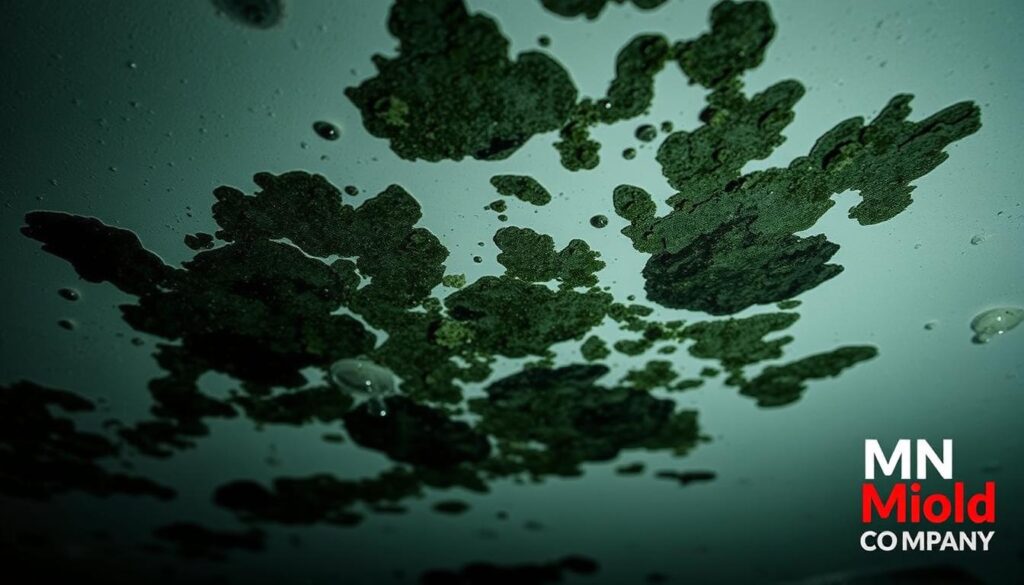
The Importance of Timely Action
Fixing a leaky pipe or roof leak might be all it takes. This way, you can live in your home without worry. Remember, storms and heavy rain can also cause stains, so watch for any discolorations.
Quickly responding to ceiling stains has many benefits:
- It stops expensive damage and repairs
- It keeps your home’s value and integrity
- It makes your home safer and more peaceful
But ignoring ceiling stains can lead to big problems:
- It can weaken your ceiling and even cause it to collapse
- It can cause electrical issues, like short circuits and fires
- It can lead to a lot of water damage, needing big repairs
- It increases the risk of mold and mildew, harming your air quality
Don’t let ceiling stains stay. Acting fast is vital for your home’s safety, structure, and value. By doing so, you avoid the costly and dangerous effects of ignoring stains on your ceiling.
Seeking Professional Assistance
- When to hire a professional for ceiling water stains: If you can’t find the leak or it’s too hard, get help.
Getting a pro can save you time and worry. You’ll know the problem is being fixed right. It’s smart to put your safety and home’s future first by getting expert help when needed.
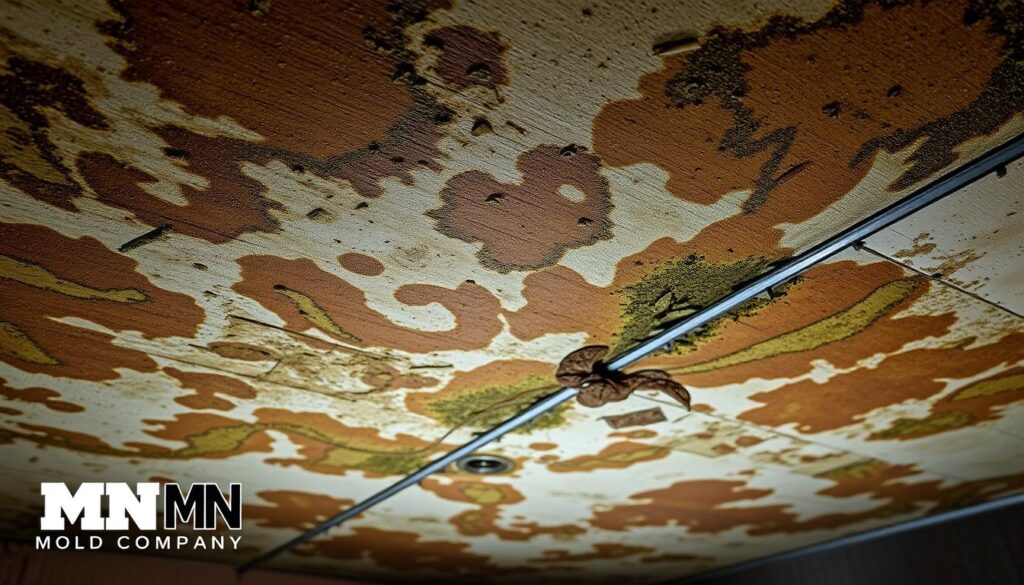
| Benefit | Description |
|---|---|
| Warranty and Guarantee | Many pros offer warranties or guarantees, giving you peace of mind. |
- Eliminate any mold or mildew growth using a bleach solution or mold-resistant cleaner.
- Ensure the root cause of the moisture issue is addressed to prevent future recurrence.
- Consider seeking professional assistance if the problem is extensive or difficult to resolve on your own.
Concealed Pipe Leakage: The Covert Culprit
Concealed pipe leakage can quietly damage homes without clear signs. These hidden leaks in walls or floors can cause discolored ceilings, mold, and structural problems. It’s important for homeowners to spot these signs early and take action.
Signs of Concealed Pipe Leakage
Spotting early signs of concealed pipe leaks is crucial. Look for these signs:
- Unexplained spikes in your water bill, which could signal a hidden leak
- Mold and mildew growth, often a result of persistent moisture from a leak
- Musty odors, which can be a sign of water damage within the walls or floors
Preventing and Repairing Concealed Leaks
| Preventive Measures | Repair Strategies |
|---|---|
|
|
Conclusion: Safeguarding Your Home from Above
Understanding ceiling stains is key to keeping your home safe and avoiding costly repairs. By watching for signs and taking proactive steps to prevent ceiling stains, you can protect your home. Getting help from experts when needed is also important.
Regular inspections and maintenance are vital to keep your home safe from water damage. Checking your roof, ensuring good ventilation, and keeping your HVAC system in check helps a lot. A bit of effort can greatly protect your home from hidden dangers.
FAQ
What are the common causes of ceiling discoloration?
Ceiling discoloration can come from many sources. Plumbing leaks, HVAC problems, and too much moisture or condensation are common causes. These can lead to water stains and mold on your ceiling.
How can I identify the source of a ceiling stain?
To find the source of a ceiling stain, check the area above it. Look for signs of leaks, like overflowing toilets or plumbing issues in upstairs bathrooms. Also, check HVAC units or vents in the roof space.
What steps should I take to clean and treat a water-damaged ceiling?
How can I prevent future ceiling stains?
To avoid future stains, regularly check your roof for damage or leaks. Make sure it’s well-ventilated and maintain your HVAC system. Sealing roof gaps and cracks can also help keep moisture out.
When should I seek professional assistance for ceiling water stains?
How can I identify signs of concealed pipe leaks?
Look for signs like higher water bills, water stains, mold, and musty smells. Finding and fixing these issues early can prevent serious damage to your home.