

Have you ever wondered why mold grows on your clothes? It’s a common issue many of us face, especially in humid environments. Mold thrives in moist conditions, turning your favorite garments into a breeding ground for unwanted growth. This not only damages the fabric but also poses health risks, especially for people with allergies or weakened immune systems.
Mold growth isn’t just limited to walls or bathrooms—it can sneak into your closet too. Whether it’s a forgotten damp towel or a swimsuit left in a sealed bag, moisture creates the perfect environment for mold to flourish. Understanding the factors that contribute to mold growth is key to protecting your clothes and your health.
Early detection is crucial. If you notice small patches or a musty smell, don’t wait to act. Free mold inspections are available, and certified technicians can assess the issue before it escalates. This article will guide you through the causes of mold on clothes, how to identify it, and effective removal methods. We’ll also cover preventive measures and when professional help is necessary.
By addressing moisture and maintaining proper hygiene, you can keep your clothes fresh and mold-free. Don’t let mold take over—take control today. Book your free mold assessment online or call 612-477-0804 to ensure your home and wardrobe remain safe and healthy.
Key Takeaways
- Mold thrives in moist environments, making damp clothes susceptible to growth.
- Early detection is crucial to prevent damage and health risks.
- Free mold inspections by certified technicians are available for assessment.
- Understanding moisture control is essential for preventing mold on clothes.
- Professional help is available for severe mold infestations.
Understanding Mold on Clothes
Mold growth on fabrics is a common issue, especially in humid environments. It thrives in moist conditions, turning your clothes into a breeding ground for unwanted growth. This not only damages the fabric but also poses health risks, particularly for those with allergies or weakened immune systems.
Mold growth isn’t just limited to walls or bathrooms—it can sneak into your closet too. Whether it’s a forgotten damp towel or a swimsuit left in a sealed bag, moisture creates the perfect environment for mold to flourish. Understanding the factors that contribute to mold growth is key to protecting your clothes and your health.
Early detection is crucial. If you notice small patches or a musty smell, don’t wait to act. Free mold inspections are available, and certified technicians can assess the issue before it escalates. This article will guide you through the causes of mold on clothes, how to identify it, and effective removal methods. We’ll also cover preventive measures and when professional help is necessary.
By addressing moisture and maintaining proper hygiene, you can keep your clothes fresh and mold-free. Don’t let mold take over—take control today. Book your free mold assessment online or call 612-477-0804 to ensure your home and wardrobe remain safe and healthy.
What Causes Mold on Clothes?
Mold growth on clothes often stems from a combination of moisture and poor storage conditions. These factors create an ideal environment for mold spores to thrive.
Moisture, Humidity, and Ventilation Challenges
Persistent moisture from damp clothes is a primary culprit, with humidity and poor air flow accelerating mold growth. Mold spores, which exist ubiquitously in the air, settle on clothes and thrive in damp storage areas and closets. Environmental challenges like high humidity and unventilated spaces create the ideal breeding ground for mold.
Environmental Factors and Storage Issues
Seemingly minor problems, such as leaving clothes in a cramped storage area, can lead to widespread mold growth. Specific products meant to control moisture, if not used correctly, might inadvertently contribute to mold problems. Professional mold inspections often reveal common storage issues, stressing the need for proper ventilation.
| Cause | Solution |
|---|---|
| Persistent moisture | Ensure clothes are completely dry before storage |
| High humidity | Use dehumidifiers in storage areas |
| Poor ventilation | Improve airflow with fans or open doors |
By addressing these factors, you can prevent mold growth and keep your clothes fresh and safe.
Recognizing Mold Damage on Your Clothing
Identifying mold damage on your clothes is crucial for maintaining both your health and the longevity of your garments. Mold can appear in various forms, from visible stains to a lingering musty smell. Knowing how to spot these signs early can prevent further damage and potential health risks.
Visual Signs and Telltale Odors
The most common visual signs of mold on clothing include discoloration and irregular patches. These patches can appear in shades of green, black, or white, depending on the type of mold. Additionally, a fuzzy texture may develop, indicating mold growth. These signs often appear on garments stored in damp environments, such as closets or basements, where humidity is high.
A musty or unusual odor is often the first hint of mold, even before any visible signs appear. This smell can linger on fabrics, especially natural fibers like cotton and wool, which are more prone to mold growth. If you notice such an odor, it’s essential to inspect your clothes and storage areas promptly.
When to Consider Mold as a Hidden Hazard
Mold can thrive in hidden areas, making it a silent threat to your wardrobe. Check storage spaces, such as closets and drawers, for any signs of moisture or humidity. Mold spores can accumulate on garments, damaging the fabric and the overall property of the clothing. If left untreated, this can lead to irreversible damage and potential health issues, especially for those with allergies.
Consider seeking professional inspection if you suspect mold growth in your closet or on your clothes. Early recognition is key to preventing further damage and ensuring your garments remain safe and fresh. Don’t overlook the musty smell or slight discoloration, as these can be early warnings of a larger issue.
By staying vigilant and addressing any signs of mold promptly, you can protect your wardrobe and maintain a healthy environment. Remember, early detection is your best defense against mold damage on your clothes.
DIY Methods to Remove Mold from Clothes
Discover how to tackle mold growth on your clothing with simple, effective household remedies. These methods are perfect for minor infestations and can help restore your garments to their fresh state.
Effective Household Remedies and Treatments
| Remedy | Description |
|---|---|
| White Vinegar | Natural acid helps kill mold and eliminate odors. |
| Baking Soda | Neutralizes smells and assists in mold stain removal. |
| Oxygen Bleach | Gentle on fabrics, effective against mold stains. |
Step-by-Step Cleaning Process for Different Fabrics
Natural Fibers (Cotton, Wool):
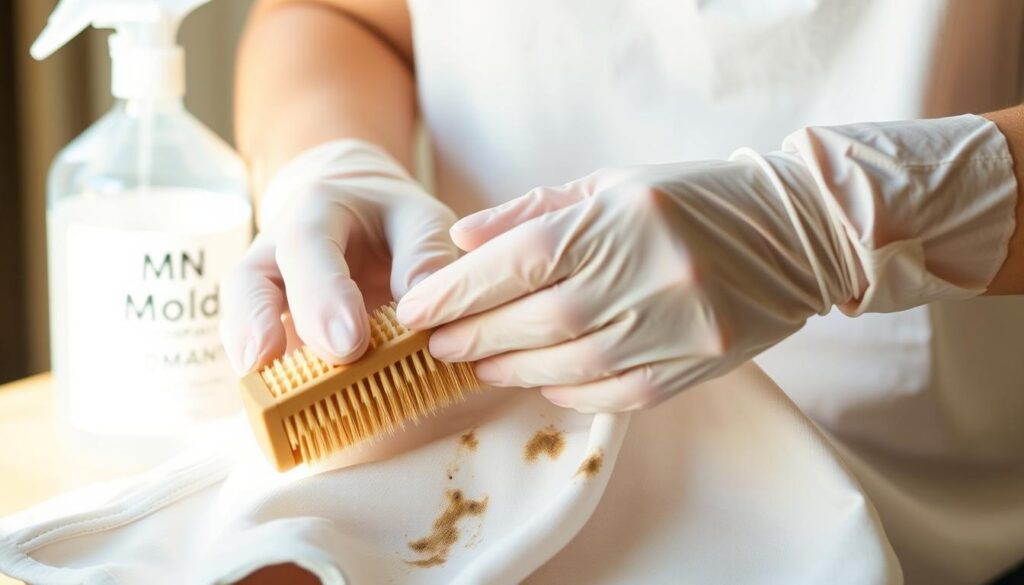
- Soak in warm water with oxygen bleach for 8 hours.
- Wash in hot water with vinegar added during the rinse cycle.
- Air dry in sunlight for natural anti-fungal benefits.
Synthetic Fibers (Polyester, Nylon):
- Apply baking soda directly on stains, rinse with cold water.
- Wash in warm water with regular detergent.
- Check for remaining stains before drying.
“Acting quickly is key to preventing permanent damage,” advises Jane Smith, a textile expert. “Mold can permanently damage fabric within 24 hours.”
Always test a small area first and avoid using harsh chemicals on delicate items. Ensure clothes are completely dry before storing to prevent regrowth.
Professional Mold Services and Inspections
When dealing with mold growth on your clothes, professional services can provide a reliable solution. Certified mold technicians offer expert care, ensuring your garments are thoroughly inspected and treated.
Benefits of Certified Mold Technicians
Certified mold technicians follow industry-standard guidelines, ensuring safe and effective mold removal. Their expertise helps prevent future growth and protects your health.
- Free mold inspections to assess both visible and hidden damage on various surfaces and fabrics.
- Professionals identify the source of contamination, addressing the root cause for long-term prevention.
- They not only remove existing mold stains but also prevent regrowth on items like linens and delicate garments.
Booking Your Free Mold Inspection
Scheduling a mold assessment is easy—book online or call 612-477-0804. This hassle-free process ensures your home and wardrobe remain safe and healthy.
Professional services are a safe and effective long-term solution, especially when DIY methods aren’t enough. They provide thorough care, ensuring your clothes stay fresh and mold-free.
Preventing Future Mold Growth on Clothes
Keeping your clothes mold-free requires proactive steps and smart storage practices. By addressing moisture and maintaining a dry environment, you can protect your wardrobe from damage and unpleasant odors.
Proper Storage and Drying Techniques
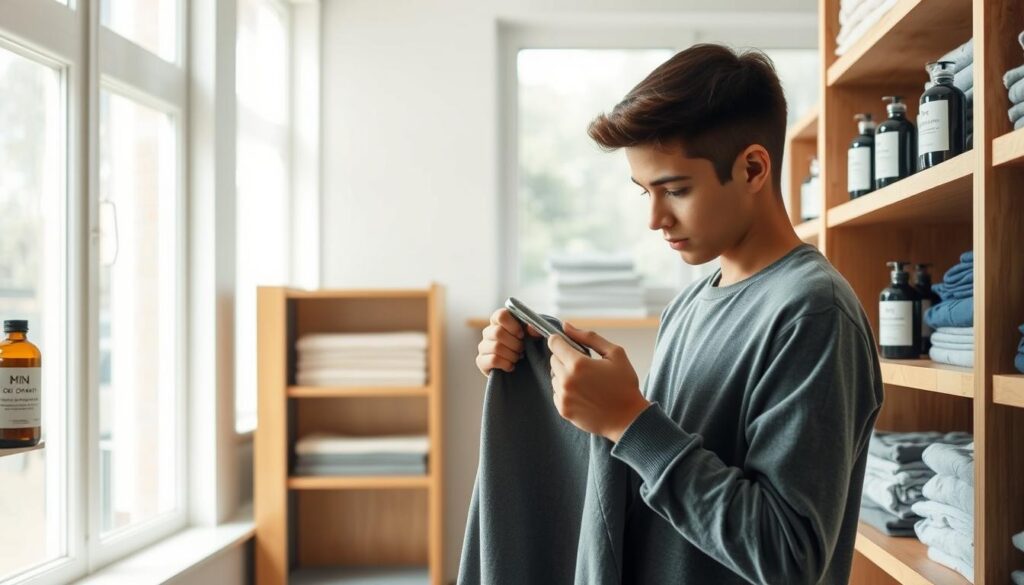
Store your clothes in dry, well-ventilated areas to reduce mold growth. Always ensure fabrics are completely dry before storing them. Use a high-spin cycle or air dry clothes in sunlight to prevent dampness. Regular washing and the use of odor-eliminating products can stop smells and inhibit mold development.
Ventilation and Routine Checks
Improve airflow in storage areas with fans or open doors. Check closets and use dehumidifiers to keep humidity below 50%. Silica gel packs can absorb excess moisture, helping maintain a dry environment. Regular inspections can catch issues early, preventing damage and deterioration of fabrics.
By following these practical steps, you can keep your clothes fresh and mold-free. Monitoring both storage spaces and garments is essential for preventing future issues. Stay vigilant and maintain a consistent routine to ensure your wardrobe remains safe and healthy.
Innovative Approaches and Natural Remedies
Exploring innovative approaches to tackle mold growth can lead to effective and eco-friendly solutions. These methods not only address the issue but also promote a healthier environment for your clothes and home.
Eco-Friendly Cleaning Agents and Natural Solutions
When it comes to mold removal, natural remedies can be just as effective as chemical-based cleaners. Tea tree oil, known for its antifungal properties, is a great eco-friendly option. Mixing a few drops of tea tree oil with water creates a solution that can be applied directly to affected areas, making it a powerful tool for mold removal.
White vinegar is another natural solution that excels at eliminating mold and odors. Its acidity helps break down mold spores, making it a safe and effective alternative to harsh chemicals. For tougher stains, a solution of equal parts vinegar and water can be applied directly before washing.
Tip:For a homemade cleaning spray, mix 1 tablespoon of baking soda with 1 cup of white vinegar. This mixture not only removes mold but also neutralizes unpleasant smells, supporting overall health by reducing chemical exposure.
| Remedy | Description |
|---|---|
| Tea Tree Oil | A natural antifungal agent effective in mold removal. |
| Vinegar Solution | Acidity breaks down mold spores and eliminates odors. |
| Natural Fabric Sprays | Homemade mixtures that are safe and eco-friendly. |
Reducing indoor humidity is crucial for preventing mold growth. Using natural ventilation or eco-friendly dehumidifiers can maintain ideal humidity levels between 30-50%. This approach not only prevents mold but also creates a healthier living environment.
Natural solutions are perfect for those prioritizing health and sustainability. By combining traditional methods with modern eco-friendly products, you can effectively manage mold and keep your home fresh and safe.
Conclusion
In conclusion, addressing mold growth on your clothes requires a combination of proactive steps and smart strategies. Moisture, poor storage conditions, and inadequate ventilation are the primary factors that lead to mold growth, which can damage fabrics and pose health risks.
For minor mold issues, DIY methods using household items like baking soda and vinegar can be effective. Baking soda helps neutralize odors and remove stains, while vinegar’s acidity breaks down mold spores. However, for severe infestations, professional mold removal services are essential. Certified technicians can assess and treat affected areas, ensuring a safe and healthy environment.
Don’t forget to book your free mold inspection online or call 612-477-0804 for expert assistance. Incorporating natural remedies into your routine, such as using baking soda and vinegar, can help prevent future mold growth. By staying vigilant and implementing these tips, you can protect your belongings and maintain a fresh, healthy space.
Take action today to ensure your home remains mold-free and your clothes stay in great condition. Remember, early detection and prompt action are key to effective mold removal and prevention!
FAQ
How does mold grow on clothes?
Mold grows on clothes when there’s excess moisture, humidity, or poor ventilation. It thrives in damp environments, especially on fabrics stored in tight spaces like closets or drawers. Mold spores can settle on fabrics and multiply quickly if conditions are favorable.
What are the signs of mold damage on clothing?
Common signs include a musty smell, visible stains or discoloration, and a damp feel to the fabric. In severe cases, the fabric may weaken or develop holes, making the garment unusable. Always check for these signs when retrieving stored clothes.
Can I remove mold from clothes at home?
Yes, you can remove mold from clothes using hot water, vinegar, or baking soda. Wash the affected items in hot water with a reliable detergent, and consider adding vinegar or baking soda for extra cleaning power. For tough stains, repeat the process before drying.
How can I prevent mold growth on stored clothes?
To prevent mold, ensure clothes are completely dry before storing them. Use breathable storage bags or containers, and keep them in a cool, dry area. Adding silica gel packets or cedar blocks can help absorb moisture and deter mold growth.
Is mold on clothes a health risk?
Yes, mold on clothes can pose health risks, especially for people with allergies or weakened immune systems. Prolonged exposure to mold spores can cause respiratory issues or skin irritation. Always handle moldy clothes with gloves and wash them promptly to avoid health concerns.
How do I dry clothes properly to avoid mold?
Dry clothes thoroughly, either in a well-ventilated area or using a dryer on a high heat setting. Avoid leaving wet clothes in a damp environment, as moisture can lead to mold growth within hours. Always check for any remaining dampness before storing.
Can I use natural remedies to remove mold odors?
Yes, natural remedies like vinegar, lemon juice, or essential oils can help eliminate mold odors. Add a cup of white vinegar to your wash cycle or soak clothes in a solution of equal parts water and vinegar before washing.
What’s the difference between mold and mildew on clothes?
Mold and mildew are both fungi, but mold tends to grow in thicker layers and can be more damaging to fabrics. Mildew is usually powdery and easier to remove. Both require similar treatment, but mold may need more aggressive cleaning methods.
How can I sanitize clothes after mold exposure?
Sanitize clothes by washing them in hot water with a strong detergent. Adding a disinfectant like bleach or vinegar can help kill remaining spores. Always dry clothes on the highest heat setting to ensure all moisture is removed.
Can mold damage ruin my clothes permanently?
If caught early, mold damage can be treated without ruining your clothes. However, if left untreated, mold can weaken or discolor fabrics, making them unwearable. Act quickly to clean and dry affected items to prevent permanent damage.
Source Links
- Removing and Preventing Mold on Clothes | ClothesLyne – https://www.clotheslyne.com/blog/how-to-remove-mold-from-clothes/
- How to Safely Remove Mold From Clothing | ZIPS Cleaners – https://321zips.com/blog/how-to-remove-mold-from-clothing/
- Can Mold Grow on Clothes? – Prism Specialties – https://www.prismspecialties.com/blog/2023/09/15/can-mold-grow-on-clothes/
- What Do I Do About Mold in My Closet? – https://advantaclean.com/blog/what-do-i-do-about-mold-in-my-closet/
- Ultimate Guide to Mold on Clothes: Prevention, Identification, and Removal – https://www.bustmold.com/resources/about-mold/where-to-look-for-mold/mold-on-clothes/
- How to Remove Mold from Clothes and Fabric – https://www.puroclean.com/blog/how-to-remove-mold-stains-from-clothes-and-fabric/
- How to test for mold on clothes – Mold Testing and Bacteria Testing % – https://www.moldbacteria.com/mold/how-to-test-for-mold-on-clothes-and-fabrics.html
- Mold-Free Fashion: Your Ultimate Guide to Banishing Mold on Clothes and Shoes – NuShoe Inspect & Correct – https://www.nushoeinspectandcorrect.com/how-to-get-rid-of-mold-on-clothes-and-shoes/
- How To Get Mold Out Of Your Clothes And Keep It Out – https://www.wood-blocks.com/blog/how-to-get-mould-out-of-your-clothes-and-keep-it-out
- Remove Mold From Clothing With These Basic Ingredients – https://www.thespruce.com/how-to-get-mold-off-clothes-7089876
- The Ultimate Guide to Removing Mold from Clothes and Linens – https://www.wavemaxlaundry.com/inkster-mi/blog/the-ultimate-guide-to-removing-mold-from-clothes-and-linens/
- How to Get Mold Out of Clothes – https://home.howstuffworks.com/home-improvement/household-hints-tips/cleaning-organizing/how-to-clean-mold-off-clothing.htm
- Mold FAQs – https://dph.illinois.gov/topics-services/environmental-health-protection/toxicology/indoor-air-quality-healthy-homes/mold-faqs.html
- Mold Removal on Clothing – https://www.servicemasterrestore.com/servicemaster-restoration-by-timeless/why-us/blog/2023/march/how-to-get-rid-of-mold-on-clothes/
- Mold in Closet: How to Treat Mold Growth in Closet – PuroClean HQ – https://www.puroclean.com/blog/mold-in-closet-remediation-tips/
- How to Prevent and Manage Mildew and Mold in Stored Clothes – https://www.wood-blocks.com/blog/tips-for-preventing-and-managing-mildew-in-stored-clothes
- How to Hinder Mold & Mildew Growth in Your Closets – https://www.creativeclosetorganizers.com/how-to-hinder-mold-growth-in-closets/
- The Right Way to Get Rid of Mold in Your Home, According to Experts – https://www.marthastewart.com/273648/mold-tips
- How to Get Mold Out of Clothes Properly and Safely – https://www.realsimple.com/how-to-get-mold-out-of-clothes-8420339
- How To Get Mold Out Of Clothes – Get Mold Stains & Spots Out – https://moldsolutionsnw.com/blog/mold-in-clothes/
- How To Get Rid Of Mold On Clothes – https://www.hellocleaner.ae/cleaning-tips/how-to-get-rid-of-mold-on-clothes/?srsltid=AfmBOooXm_rOjVIaHnmCzhf7mj1kmDacnLdNa9npAJLREZAnALVpWc8q
- A Guide to Get Mold Out of Clothes | All Dry USA – https://www.alldryus.com/blog/mold/how-to-get-mold-out-of-clothes/