
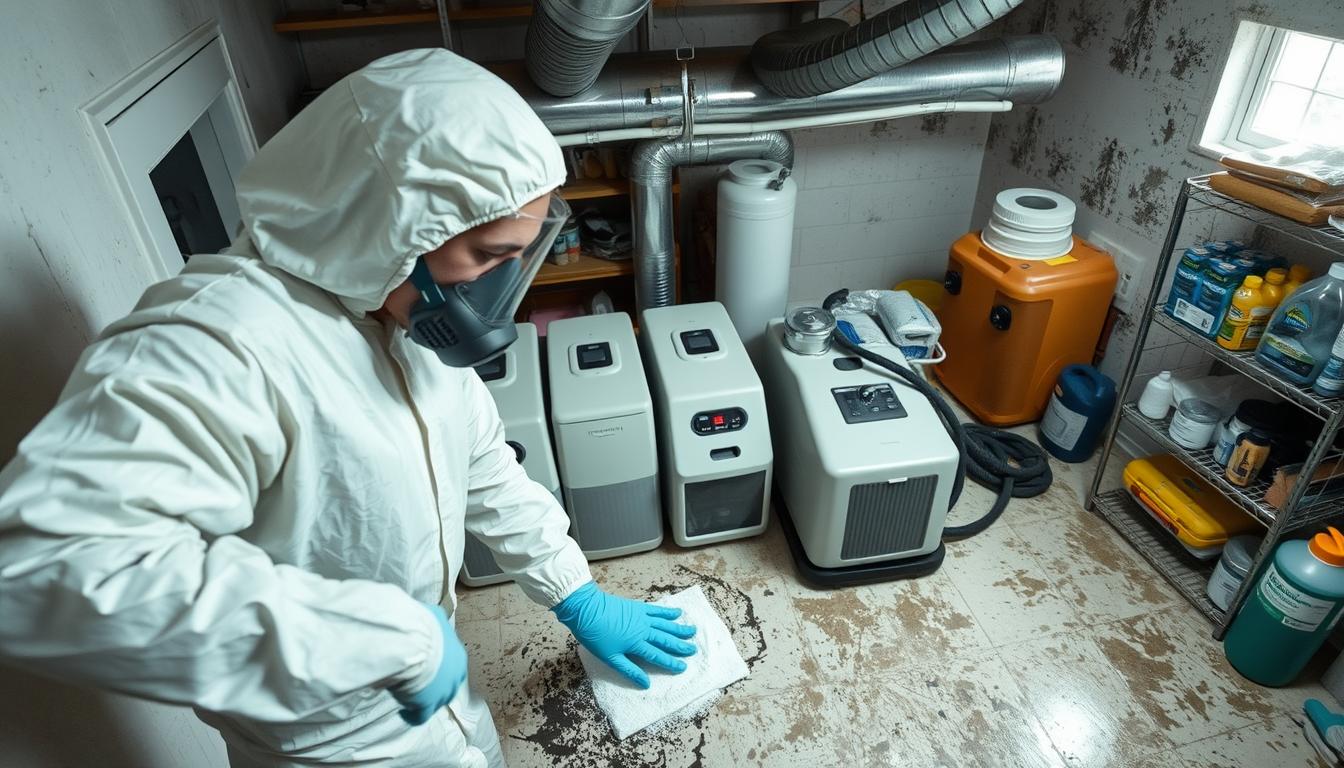
Appearance alone cannot reliably determine mold species.
Key Takeaways
- DIY mold remediation is suitable for small areas (less than 10 square feet).
- Address moisture issues to prevent mold from returning.
Introduction: Navigating DIY Mold Remediation
Mold growth is a common issue in many American homes, often emerging from moisture due to weather damage or poor ventilation. While DIY cleaning can be effective for small areas, understanding when professional help is needed is crucial for long-term safety and effectiveness.
Understanding Mold: Types, Causes & Effects
Mold is a common issue in many homes, growing in areas with excess moisture. Understanding its types and causes is key to effective prevention and removal.
Common Mold Varieties and Their Habitats
Can I Remediate Mold Myself?
Deciding whether to tackle mold remediation on your own can be tricky. It’s important to assess the situation carefully to ensure safety and effectiveness. Understanding the extent of the problem is the first step in determining if DIY methods are suitable.
When evaluating the spread of mold, consider the type of material affected and the source of water damage. Nonporous materials like metal or glass are easier to clean, while porous materials such as wood or drywall may require professional attention. Mold spores can spread easily, so proper containment is crucial to prevent further contamination.
The presence of mold spores in the air can significantly impact indoor air quality. Using the right cleaning solution is essential to ensure spores are removed effectively. However, hidden mold spore issues can be challenging to address without specialized equipment.
In some cases, visible mold may seem manageable, but hidden infestations behind walls or under flooring can be more severe. If you’re unsure about the extent of the problem, it’s always best to consult professionals. Our team offers free inspections to help you make an informed decision.
Preparing for DIY Mold Remediation
Next, identify and seal off the affected area. Use plastic sheets and tape to contain the space, preventing mold spores from spreading to other parts of your home. Open windows for ventilation but position a fan to direct airflow away from the affected area, creating negative pressure that helps contain spores.
Determine the type of mold you’re dealing with and locate its source, such as a leak or moisture buildup. Addressing the underlying cause is vital to prevent regrowth after removal.

Step-by-Step DIY Mold Remediation Process
Addressing mold growth can be manageable if done correctly. For small areas, a DIY approach can be effective, but safety and thoroughness are key. Let’s break down the process into clear steps to help you tackle mold safely and effectively.
Step 1: Identify and Contain the Affected Area
Start by locating all areas with visible mold. Use plastic sheets and tape to seal off the space, preventing spores from spreading. Open windows for ventilation, but position a fan to direct airflow away from the area, creating negative pressure. This step is crucial to contain the mold and protect other parts of your home.
Step 2: Apply a Cleaning Solution
Mix a solution of water and detergent or use a commercial product. Apply it evenly to the affected area using a spray bottle. Let it sit for about an hour to allow the solution to penetrate and loosen the mold. This step helps in breaking down the mold for easier removal.
Step 3: Scrub and Rinse
Step 4: Dry the Area
Use clean towels or a wet vacuum to remove excess moisture. Open windows and use fans to speed up the drying process. Ensure the area is completely dry within 48-72 hours to prevent further mold growth. Drying is a critical step to stop mold from returning.
Step 5: Disinfect and Prevent Future Growth
Important Tips:
- Never mix different cleaning solutions, as they can produce harmful gases.
- Dispose of any materials that are heavily contaminated with mold to prevent further issues.
Key Features of Our Mold Services
Free Mold Inspections to Assess Your Situation
Easy Online Booking & Direct Call at (612) 477-0804
Scheduling an inspection is quick and easy. You can book online or call us directly at (612) 477-0804. We prioritize your convenience and ensure a prompt response to address your mold concerns efficiently.
Effective Mold Removal Techniques & Prevention Tips
Natural and Commercial Cleaning Solutions
For larger areas or stubborn mold, consider commercial products. Always follow the instructions and safety precautions. After applying the solution, wait the recommended time before scrubbing to ensure effectiveness.
Preventative Maintenance to Keep Mold at Bay
Regular cleaning is key to preventing mold growth. Focus on areas prone to moisture, like bathrooms and basements. Check for signs of mold at least once a month, and address any issues promptly.
Maintain a routine cleaning schedule, especially in humid areas. Fix any water leaks quickly and improve ventilation to keep your house dry. This proactive approach reduces the risk of mold growth and keeps your home safe.
When to Seek Professional Mold Remediation
Extensive damage to drywall or hidden mold in areas like HVAC systems signals the need for professional help. These issues are often beyond DIY solutions and pose serious safety risks.
A brush may suffice for light cleaning, but severe mold requires specialized tools. Professionals use advanced equipment to ensure thorough removal without spreading spores, addressing issues that DIY methods can’t.
When DIY efforts fail or mold returns, it’s time to consult experts. They handle complex cases efficiently, providing peace of mind and ensuring the issue is resolved properly.
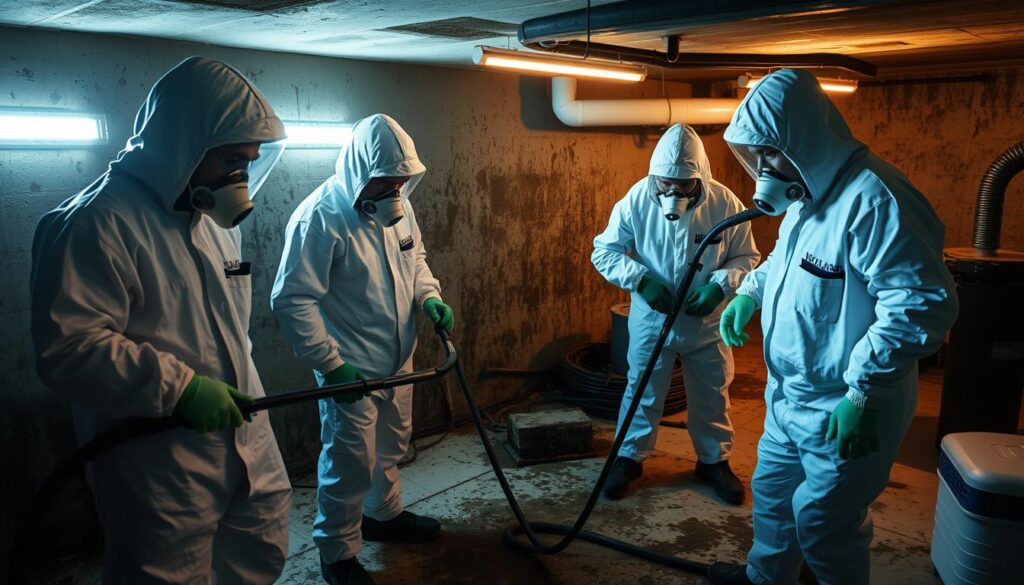
Essential Tools & Products for Mold Removal
When tackling mold removal, having the right tools and products is crucial for effective and safe results. Proper equipment not only ensures thorough cleaning but also minimizes the risk of spreading mold spores or causing further damage to your property.
Recommended Cleaning Equipment and Materials
To effectively address mold issues, consider these essential tools:
- Scrub Brushes: Sturdy, non-abrasive brushes are ideal for gently scrubbing affected areas without damaging surfaces.
How to Choose the Right Products for Your Home
Selecting the appropriate tools and products involves considering the extent of the mold problem and the specific surfaces involved. For instance:
- For Small Areas: A simple cleaning solution and a scrub brush may suffice.
Always opt for products that are both safe and effective for your specific situation, and consider consulting professionals for severe mold issues to ensure the problem is fully addressed.
Conclusion
Mold removal can be a manageable task when approached with the right knowledge and tools. For small, contained areas, DIY methods can be effective, but larger infestations require professional intervention to ensure safety and thoroughness.
FAQ
What are the first steps to address a mold problem in my home?
Start by identifying the source of moisture, as mold thrives in damp environments. Fix any leaks, improve ventilation, and reduce humidity to prevent further growth. Always wear safety gloves and a mask when handling mold.
Can I use vinegar to clean mold effectively?
How do I prevent mold from growing back after cleaning?
Ensure the area is completely dry after cleaning. Improve ventilation by using fans or opening windows. Regularly inspect your home for moisture issues and address them promptly to keep mold at bay.
When should I call a professional for mold remediation?
What safety gear do I need for DIY mold removal?
Wear long sleeves, pants, rubber gloves, and a face mask rated for mold spores. Protective eyewear is also recommended to avoid exposure during cleaning.
Can mold grow on all types of surfaces?
Mold can grow on most surfaces, but it prefers porous materials like drywall, wood, and fabric. Regularly inspect these areas for signs of moisture or mold growth.
How long does it take for mold to grow after water damage?
Mold can begin growing within 24-48 hours after water damage. Act quickly to dry the area and prevent mold from taking hold.
Can I remove mold from carpets or upholstery?
Mold on carpets or upholstery is difficult to remove completely. If the material is heavily infested, it’s often best to replace it to ensure safety and prevent further damage.
How do I test if a substance is mold?
Use a mold testing kit or hire a professional to assess the area. They can identify the type of mold and recommend the best removal method.
Source Links
- DIY Mold Removal: Can You Clean Up Mold Yourself? – https://www.airpf.com/can-you-clean-up-mold-yourself/
- DIY Mold Removal vs. Professional: Which Is Better? | Pur360 – https://pur360solutions.com/diy-mold-removal-vs-professional-which-is-better/
- #moldfinders: RADIO – https://podcasts.apple.com/us/podcast/moldfinders-radio/id1515039084
- The Ecology of Games: Connecting Youth, Games, and Learning – https://mitp-content-server.mit.edu/books/content/sectbyfn/books_pres_0/7898/7898.pdf?dl=1
- Professional Rat Treatment, Rat Control, Rat Exterminator Service in Vaughan, Ontario – https://www.tsrpestcontrol.ca/vaughan-rat-control-rat-exterminator-rat-treatment.html
- Can You Remediate Mold Yourself? – https://www.eliteremediations.com/can-you-remediate-mold-yourself/
- Mold Remediation: Can I Get Rid of it Myself? | Mold Solutions – https://yourmoldsolutions.com/blog/mold-remediation-can-i-get-rid-of-it-myself/
- Should You Remove Mold Yourself? – https://www.drymedic.com/blog/should-you-remove-mold-yourself/
- Can You Safely Removing Mold Yourself? – https://www.powerdrykc.com/blog/can-you-safely-removing-mold-yourself/
- Black Mold Remediation: How to Clean Black Mold – https://www.puroclean.com/blog/black-mold-removal-and-remediation/
- How to Remediate Mold Step by Step | HomeCleanse – https://www.homecleanse.com/how-to-remediate-mold-step-by-step/?srsltid=AfmBOookwjHdhfroftMS2ivjxcH7JF7vyj6Xsl32lr10rAn1Pbu7qAN5
- How to Get Rid of Mold – https://www.homedepot.com/c/ah/how-to-get-rid-of-mold/9ba683603be9fa5395fab907c52351c
- Removing Mold: When To DIY or Hire a Pro – Today’s Homeowner – https://todayshomeowner.com/mold/guides/mold-removal-when-to-diy-the-job-or-hire-a-pro/
- When to Call a Mold Remediation Specialist – 4 Signs You Need to Act Now! – https://clearrestore.com/when-to-call-a-mold-remediation-specialist/
- Mold Remediation: What It Is, Costs, and Timeframes | Bill Howe – https://www.billhowe.com/blog/mold-remediation-what-it-is-costs-and-timeframes/
- 9 Must Have Protective Gear/Equipments For Mold Removal – https://www.ultimatemoldcrew.ca/protective-gear-equipment-for-mold-removal/
- Mold Remediation Equipment Professionals Use to Kill Mold – https://gocodes.com/mold-remediation-tools-equipment/?srsltid=AfmBOoo2xSDwIKdC9nCNVsTP7TwpupmM-08-0NN1Df-2yKIk6HMIXN5M
- Can I Do Mold Remediation Myself? – https://www.drigulfcoast.com/blog/can-i-do-mold-remediation-myself
- Mold Removal: Can I Do It Myself or Should I Hire a Pro? | Mold Solutions – https://yourmoldsolutions.com/blog/mold-removal-can-i-do-it-myself-or-should-i-hire-a-pro/