
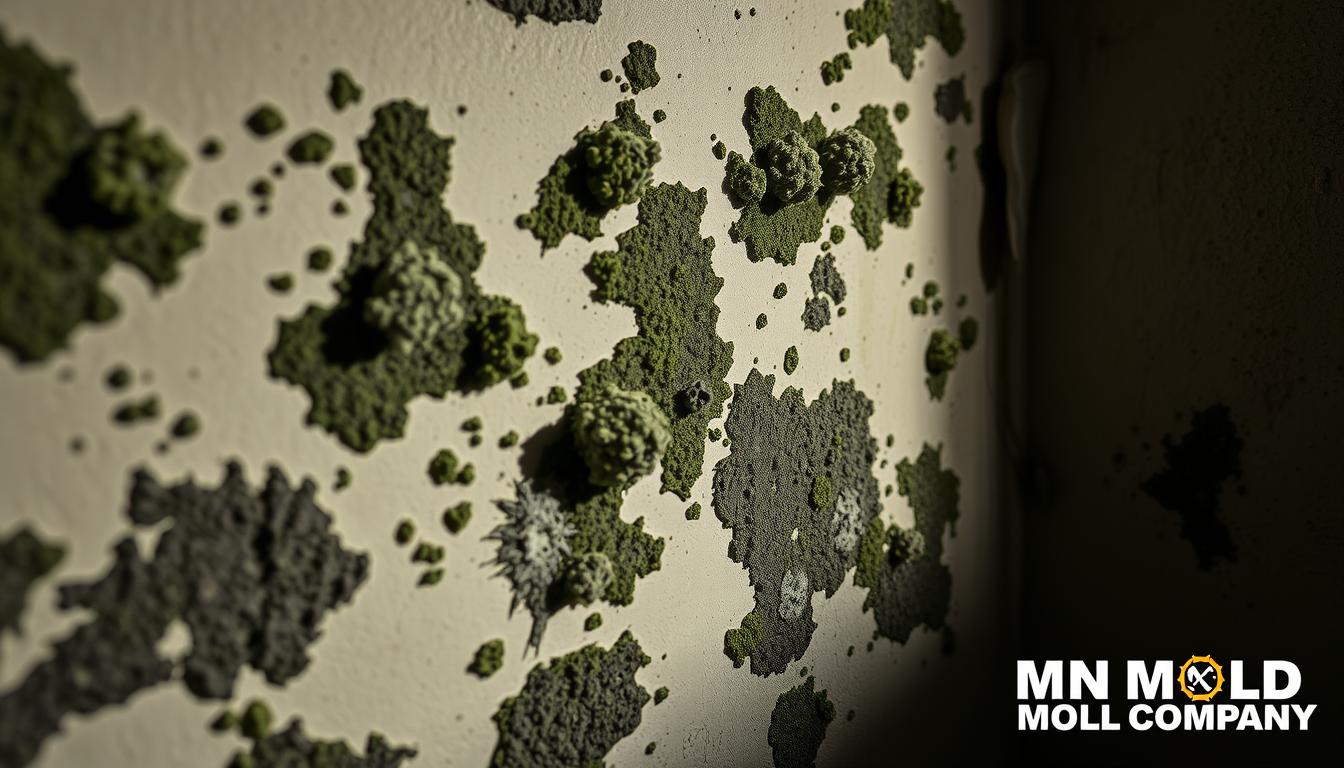
Mold thrives in moist environments, and your walls can become a breeding ground if not properly ventilated. In this guide, we’ll walk you through simple, actionable steps to clean your walls and prevent future mold growth. Whether you prefer homemade solutions or commercial products, we’ve got you covered.
Key Takeaways
- Identify mold types and their causes on your walls.
- Understand the importance of ventilation and moisture control.
- Discover when to seek professional help for large mold areas.
- Prevent future mold growth with simple maintenance tips.
For any packaged cleaner or mold-control product, follow the manufacturer's current product label and safety instructions. Product choice does not replace correcting the moisture source or evaluating affected materials.
Introduction & Understanding Mold Growth
Mold and mildew are both types of fungi that thrive in damp environments. Mold is a deeper-rooted fungus that can appear in various colors, including black, green, or red. It often has a fuzzy texture and a strong, musty odor. Mildew, on the other hand, is a surface fungus that typically appears as a thin, white or gray growth. Unlike mold, mildew can usually be wiped away easily.
What Are Mold and Mildew?
Mold and mildew are both fungi that thrive in moist environments. They can grow on various surfaces, including walls, ceilings, and floors. Mold is more invasive and can penetrate deeper into materials, while mildew remains on the surface. Understanding the difference between the two is crucial for effective cleaning and prevention.
Common Causes on Interior Walls
Moisture is the primary culprit behind mold and mildew growth on interior walls. Condensation from windows, pipes, or appliances can create the perfect environment for spores to settle and grow. Lack of ventilation, especially in areas like bathrooms and kitchens, exacerbates the problem. Additionally, water leaks or flooding can lead to rapid mold growth if not addressed promptly.
Recognizing the Value of Free Mold Inspections
Spotting mold on your walls can be unsettling, but it’s a clear sign that action is needed. Mold growth often hides in areas you can’t see, like behind walls or under flooring, and can lead to serious damage if left unchecked. This is where professional inspections become invaluable.
Benefits of Scheduling a Free Inspection
- Expert assessment to identify hidden mold growth
- Accurate identification of moisture sources
- Customized cleaning and prevention recommendations
- Avoid costly damage with early intervention
| Benefits | Details |
|---|---|
| Expert Assessment | Identify hidden mold and moisture sources |
| Custom Solutions | Personalized cleaning and prevention plans |
| Cost Savings | Avoid expensive repairs with early action |
How to Remove Mold from Walls
Step-by-Step Cleaning Process
Choosing Your Cleaning Solution
For a homemade approach, apply the solution to the affected area using a sponge. Let it sit for 10-15 minutes before scrubbing gently. Avoid soaking the wall to prevent moisture buildup. Rinse thoroughly and dry with a fan or dehumidifier to ensure the area is completely dry.
Commercial products offer convenience and strong cleaning power. Follow the manufacturer’s instructions carefully. Always test a small area first to ensure no damage occurs.
Remember, safety is crucial. If the mold covers a large area, consider consulting a professional. By following these steps, you can effectively remove mold and keep your walls clean and safe.
Prioritizing Safety When Removing Mold
Essential Protective Gear
Ensuring Adequate Ventilation
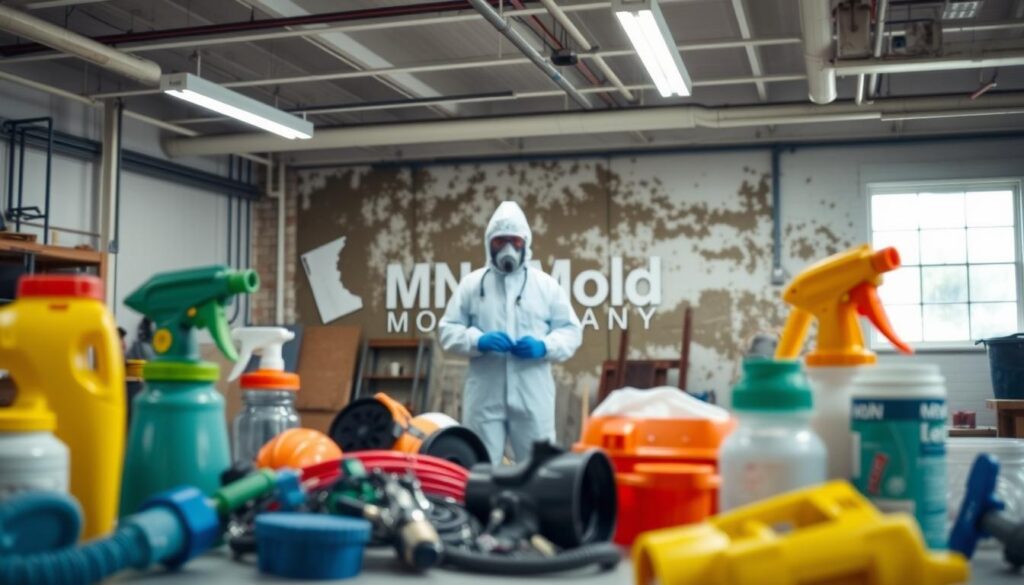
Proper ventilation is crucial. Open windows to let fresh air circulate and use fans to prevent spores from spreading. This helps maintain a safe environment and reduces the concentration of mold particles in the air.
| Equipment | Purpose | Benefits |
|---|---|---|
| Gloves | Prevent skin contact with mold | Protects against irritation and exposure |
| Mask | Filters airborne spores | Reduces inhalation risks |
| Advantages | Details | Benefits |
|---|---|---|
| Expert Assessment | Identify hidden mold and moisture sources | Faster, more reliable mold detection |
| Proven Methods | Use of latest techniques and products | Effective and safe mold removal |
| Root Cause Identification | Addressing underlying moisture issues | Long-term prevention of mold growth |
Exploring Effective Mold Cleaning Products
When it comes to tackling mold, choosing the right cleaning solution is essential. Two popular options are bleach and vinegar, each with its own set of advantages and disadvantages.
Comparing Bleach and Vinegar
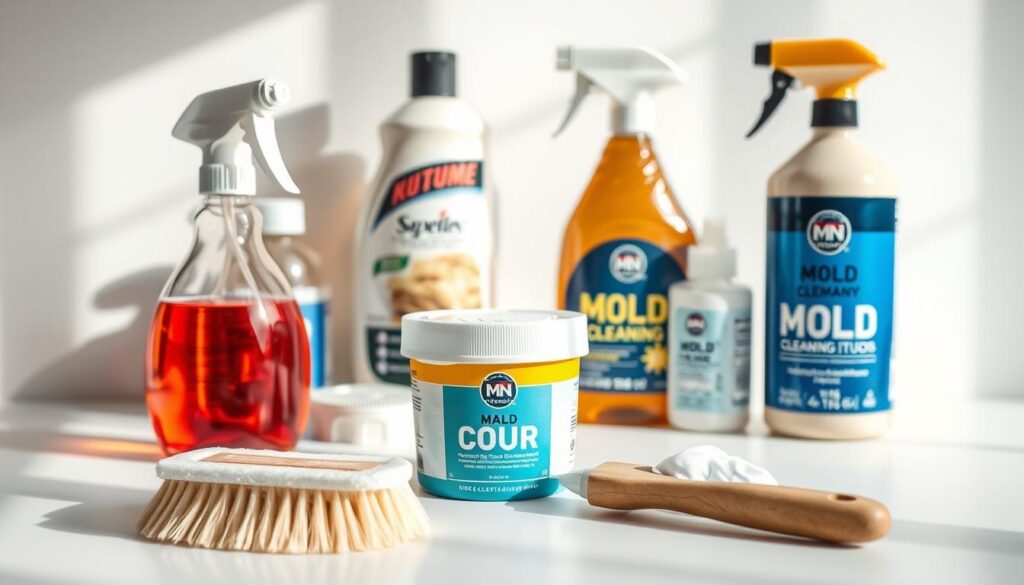
When to Use Commercial Products
For tougher mold issues, commercial cleaning solutions might be necessary. These products often have stronger formulations but should be used with caution, following the manufacturer’s instructions carefully.
Always test any cleaning solution on a small area first to ensure there’s no damage. Safety is key, so wear gloves, a mask, and protective eyewear when cleaning.
Preventative Strategies for Long-Term Protection
Proper ventilation is key to preventing mold growth. Use exhaust fans in bathrooms and kitchens, especially after showering or cooking, to remove moisture. Opening windows for fresh air and using dehumidifiers in damp areas like basements can also help maintain a dry environment.
Regular inspections are crucial. Check areas prone to condensation, such as windowsills and bathroom corners, for early signs of mold. Fixing leaks promptly and ensuring good airflow can prevent mold from taking hold. Don’t forget to clean and dry surfaces thoroughly after any water incident to stop mold in its tracks.
For wood and painted surfaces, regular maintenance is essential. Look for stains or discoloration, which could indicate moisture issues. Addressing these early can prevent mold growth and protect your home from damage.
Conclusion
FAQ
Why does mold grow on walls and ceilings?
Mold thrives in damp environments. It often appears due to condensation, high humidity, or water damage. If your home lacks proper ventilation, especially in areas like bathrooms or kitchens, it creates an ideal breeding ground for mold spores.
What’s the best solution to clean mold from surfaces?
Can I use a fan to dry moldy areas?
Yes, but with caution. Fans can help speed up the drying process after cleaning. However, avoid using them before removing mold, as this could spread spores into the air, worsening the problem.
How do I prevent mold from coming back?
Is vinegar as effective as bleach for removing mold?
What protective gear should I wear while cleaning mold?
Always wear a mask to avoid inhaling spores, gloves to protect your hands, and protective eyewear. For larger areas, consider wearing a long-sleeve shirt and pants to prevent skin exposure.
Can mold damage wood surfaces permanently?
If left untreated, mold can rot wood and cause irreversible damage. Addressing the issue early and ensuring the wood is thoroughly dried can help prevent permanent harm. For severe cases, consult a professional to assess the damage.
How can I remove black mold from my bathroom?
Will cleaning mold once keep it from coming back?
When should I call a professional to handle mold removal?
Source Links
- Kill the Mold and Get Rid of the Stains on Your Walls – https://www.thespruce.com/how-to-clean-mold-off-walls-5220421
- Tips and Tricks From the Pros – https://www.servicemasterrestore.com/servicemaster-disaster-associates-stoneham/why-us/blog/2022/june/tips-to-remove-mold-from-the-walls/
- How to Remove Mold from Walls – https://www.truevalue.com/diy-projects/maintenance-and-repair/cleaning-and-organizing/remove-mold-from-walls/
- Lesson 1 – Introduction to Mold Growth – Mold Removal Bay Area – https://www.moldremedies.com/lesson-1-introduction-to-mold-growth/
- Understanding How Mold Grows and How to Prevent Mold Growth – https://www.moldsci.com/blog/posts/how-mold-grows-and-why-it-can-become-a-problem
- Cleaning and Removing Mold in Your Home – https://publications.extension.uconn.edu/publication/cleaning-mold/
- How to Get a Free Mold Inspection with Keystone’s Expertise. – https://www.keystonestaterestoration.com/post/how-to-get-a-free-mold-inspection
- How to Get Rid of Mold – https://www.homedepot.com/c/ah/how-to-get-rid-of-mold/9ba683603be9fa5395fab907c52351c
- How to Get Rid of Mould and Mildew on Walls – Step by Step Guide | Cleanipedia – https://www.cleanipedia.com/gb/floor-and-surface-cleaning/how-to-remove-mould-and-mildew-from-walls.html
- The Right Way to Get Rid of Mold in Your Home, According to Experts – https://www.marthastewart.com/273648/mold-tips
- How to Remove Mold From Inside Walls – https://www.thespruce.com/how-to-remove-mold-from-inside-walls-5211668
- How to remove mold from walls – https://www.1800gotjunk.com/us_en/blog/decluttering/remove-mold-from-walls
- Prioritizing Safety in Mold Cleanup: A Guide for Orlando Residents – https://www.floodprosusa.com/blog/p.241111003/prioritizing-safety-in-mold-cleanup-a-guide-for-orlando-residents/
- Why Mold Inspections and Testing Matter: Expertise You Can Trust – 20/20 Home Inspection of NJ – https://homeinspectorinnj.com/why-mold-inspections-and-testing-matter-expertise-you-can-trust/
- WHY USE A PROFESSIONAL MOLD REMEDIATOR – https://www.drytech24.com/2021/09/27/why-use-a-professional-mold-remediator/
- How to Clean Mold Off Walls – The Ultimate Guide – https://www.cleanerguys.com/how-to-clean-mold-off-walls/
- How to Remove Mold from Inside Walls and Ceilings – Trusscore – https://trusscore.com/blog/how-to-remove-mold-from-inside-walls-and-ceilings.html
- How to Get Rid of Mold on Bathroom Walls – https://www.familyhandyman.com/article/how-to-get-rid-of-mold-on-walls-in-the-bathroom/?srsltid=AfmBOor_N43isK5I_mRiWSf_ccRDQLJAQBhoixa2j2aguijW5ItZFzXZ
- Dealing with and preventing mold in your home – https://extension.umn.edu/moisture-and-mold-indoors/dealing-and-preventing-mold-your-home
- Expert Tips on How to Remove Mold from Walls – https://prepsmartpainting.com/blog/how-to-remove-mold-from-walls/
- How To Remove Mold On Drywall – https://www.thisoldhouse.com/walls/22215480/remove-mold-on-drywall
- How to remove mold from walls: 8 simple solutions – https://www.windowo.com/blog/how-to-remove-mold-from-walls
- How To Remove Mold From Walls – https://pnwrestorationservices.com/how-to-remove-mold-from-walls/