
Mold is a common problem in homes that can harm your air quality and health. But do you really need to test for mold? We’ll dive into the world of mold testing to find out why it’s key for homeowners to know their home’s air quality.
Ever thought about the musty smell in your basement or the weird stains on your walls? Is mold testing worth it, or is it just a waste of money? The answers might shock you and could greatly affect your family’s health.
Key Takeaways
- Mold testing is crucial to find hidden mold and fix air quality issues in your home.
- Mold can lead to health issues like breathing problems, allergies, and even brain symptoms.
- It’s best to get a pro to test for mold if you’ve had water damage, see mold, or have health problems.
- Mold testing shows how big the problem is and helps fix it, making your home safe and healthy.
- Ignoring mold can cause expensive damage and serious health problems.
Importance of Mold Testing
Mold is a big worry for homeowners. It grows on moist surfaces like walls and floors. You might see black, green, or white spots, or smell musty odors. Sneezing, coughing, and itchy eyes can also mean mold is around.
Signs of Mold Growth
It’s crucial to tackle mold quickly to keep your family and home safe. Look out for these signs:
- Visible mold on surfaces
- Musty or earthy odors
- Persistent health symptoms like sneezing, coughing, or itchy eyes
If you spot these signs, act fast. A professional mold test can help figure out the problem and what to do next.
“Mold can be a silent threat, hiding behind walls or underneath carpets. Neglecting to address a mold issue can lead to significant damage and health problems for your family.”
Mold loves damp places and can spread fast if ignored. A detailed mold test can find the problem’s source. This helps stop it from growing more, keeping your home and family safe.
When to Consider Mold Testing
Mold testing is key to keeping your home healthy. There are times when you should think about getting mold testing done. These include:
- After Water Damage: If your home has water damage, like from a flood or leak, you need a mold check. Water is great for mold, so finding it early is important.
- Before Buying a Home: It’s smart to test for mold before buying a home. This helps you know if there are mold problems and avoid future costs.
- After Mold Remediation: After fixing a mold problem, mold testing is crucial. It makes sure the mold is gone and your home is safe.
- For Health Concerns: If you or your family have health issues, like breathing problems, mold testing can help. It might show if mold is causing your health problems.
Thinking about mold testing in these situations helps keep your home healthy. It stops mold problems before they get worse. Professional testing saves you time, money, and health worries.
Types of Mold Testing
There are several ways to check for mold in your home. These include air sampling, surface sampling, and bulk sampling. Each method offers unique insights into mold presence and extent.
Air Sampling
Air sampling detects airborne mold spores. It shows the types of mold and if they’re harmful. This method is great for checking air quality and finding hidden mold.
Surface Sampling
Surface sampling takes samples from surfaces like walls and floors. It finds mold growth and the types of mold. It’s useful when you see mold or suspect it in a certain area.
Bulk Sampling
Bulk sampling takes a piece of material like drywall for lab analysis. It gives detailed mold information. This method is good for finding mold in hidden places.
| Testing Method | Purpose | Advantages | Limitations |
|---|---|---|---|
| Air Sampling | Identifies airborne mold spores |
|
|
| Surface Sampling | Detects mold growth on surfaces |
|
|
| Bulk Sampling | Analyzes mold within materials |
|
|
A professional mold inspector can choose the best testing method for your home. Knowing the pros and cons of each method helps you decide how to tackle mold issues.
Cost of Mold Testing
The cost of mold testing can change a lot. It usually ranges from $300 to $600. But, some tests might cost up to $1,000 or more. The price depends on the test type, home size, and how many samples are needed.
Air sampling is often the cheapest option. It involves taking air samples from affected areas and sending them for lab analysis. Surface sampling, which takes samples from surfaces, is also relatively affordable.
But, tests like culture and DNA testing are pricier. They give detailed info on mold types but need special equipment and skills. The cost depends on the test’s complexity and the number of samples.
The home size also affects the testing cost. Bigger homes need more samples, raising the price. The home’s location and how easy it is to get to affected areas also matter.
Remember, the cost of mold testing is a small part of fixing a mold problem. Proper cleanup can cost much more. So, the average cost of mold testing is a good investment for your home’s safety and your family’s health.
| Mold Testing Type | Approximate Cost |
|---|---|
| Air Sampling | $300 – $500 |
| Surface Sampling | $300 – $600 |
| Bulk Sampling | $500 – $1,000 |
Keep in mind, many things can change the factors affecting mold testing cost. It’s best to talk to a professional mold inspector for a precise quote for your situation.
Hiring a Professional Mold Inspector
When you face mold problems at home, it’s key to choose an mold inspection company that’s independent and unbiased. This way, you avoid any conflicts of interest. Some companies might push for more work than needed. Look for a independent mold inspection company known for detailed and accurate checks.
When picking a mold expert, their credentials and certifications matter a lot. Check if they have certifications from places like the American Council for Accredited Certification (ACAC). These show they know their stuff and are committed to giving you reliable results.
- Look for certified mold inspectors who have been well-trained and tested. They should know how to spot and assess mold correctly.
- Make sure the mold inspection credentials of the pros you’re thinking about are current and respected in the field.
- Ask about their experience with mold inspections and if they have a good track record of fair and accurate results.
By picking an independent mold inspection company with certified mold inspectors and reliable mold inspection credentials, you can trust the results. This ensures you take the right steps to fix any mold problems at home.
The Mold Testing Process
The mold testing process is key to finding and fixing mold problems in your home. It has several stages. Each stage helps understand the mold situation and what needs to be done to fix it.
Initial Consultation
The first step is a meeting between the homeowner and the mold inspector. The inspector will ask about any mold signs, concerns, and health issues.
Visual Inspection
Then, the inspector will look closely at the property. They check all areas, even hard-to-reach ones, for mold or moisture problems.
Testing
If mold is found, the inspector will take samples. These can be air, surface, or bulk samples. The type and number depend on the property’s situation.
Lab Analysis
The samples go to a certified lab for testing. The lab finds out what mold is there and how much. This info is key for fixing the mold problem.
Interpretation of Results
After the lab finishes, the inspector reviews the results. They understand how big the mold problem is and any health risks.
Recommendations
Based on the test results, the inspector gives advice to the homeowner. This advice might include how to fix the mold, control moisture, and prevent future problems.
By following this process, homeowners can understand their mold problem. They can then take steps to fix it and keep their home safe and healthy.
| Stage | Description |
|---|---|
| Initial Consultation | Gathering information about visible mold, areas of concern, and potential health issues. |
| Visual Inspection | Carefully examining the property to identify signs of mold growth and moisture problems. |
| Testing | Collecting air, surface, or bulk samples for laboratory analysis. |
| Lab Analysis | Identifying the types and concentrations of mold present in the collected samples. |
| Interpretation of Results | Reviewing the lab findings to understand the scope and severity of the mold problem. |
| Recommendations | Providing specific steps for mold remediation, moisture control, and prevention of future growth. |
Is Mold Testing Necessary?
Mold testing is key to keeping your home safe and healthy. Some might think it’s too expensive, but it’s really important. It helps find health risks and stops damage to your home.
After a water problem, like a flood or leak, mold can grow fast. It can spread quickly if not checked. A mold test can show how big the problem is and help fix it.
It’s also smart to test for mold when buying a new home. This is especially true for older homes or those with water damage. It can find mold that’s not seen during a regular check.
If you or your family often gets sick, like with headaches or allergies, mold might be the cause. Some molds can really hurt your health. Finding out where the mold is is the first step to feeling better.
Whether or not to test for mold depends on your situation. Being proactive and dealing with mold quickly keeps your family safe and your home in good shape.
| Situation | Importance of Mold Testing |
|---|---|
| After water damage | Identify and address mold growth before it spreads |
| Before buying a new home | Uncover any hidden mold issues that may not be visible during a standard inspection |
| After mold remediation | Verify the effectiveness of the remediation efforts |
| Persistent health concerns | Determine if mold is the underlying cause of symptoms |
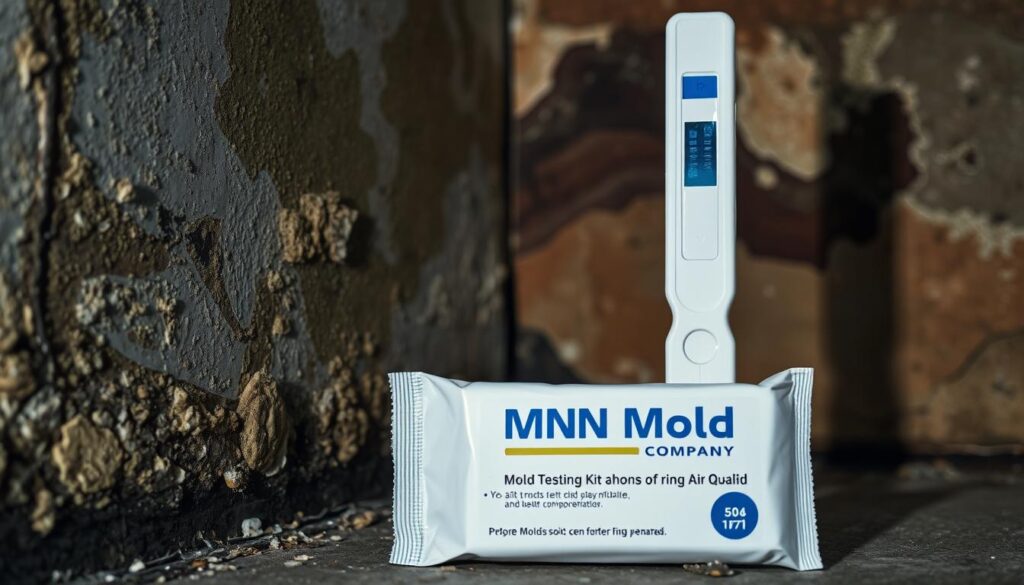
“Mold can cause significant health issues and structural damage, so it’s crucial to identify and address any mold problems promptly.”
Limitations of Air Testing
Air sampling is the most common way to test for mold. But, it has its downsides. Air testing may not find hidden mold growth or tell you which mold type is there. Weather and how well a place is ventilated can also mess with the results, making it not fully reliable.
To really understand a mold problem, you need to use more than just air testing. Surface and bulk sampling are also important. Air testing alone is not enough to know how much and what kind of mold is in a home.
One big limitation of air sampling for mold is it can’t find mold that’s hidden. Mold can grow in places you can’t see, like behind walls or under floors. Air tests might miss these spots, giving you a partial view of the mold situation.
The drawbacks of air mold testing also include not knowing the exact mold type. Knowing this is key for figuring out how to fix the problem. Different molds need different treatments.
| Limitation | Description |
|---|---|
| Hidden Mold Growth | Air testing may not detect mold growth in hidden areas, such as behind walls or under floors. |
| Mold Identification | Air testing may not accurately identify the specific species of mold present. |
| Environmental Factors | Air testing can be influenced by weather, ventilation, and other environmental conditions, leading to inconsistent results. |
In short, air testing is useful for checking for mold, but it’s not enough on its own. To really get a handle on a mold problem, you need a mix of testing methods. This way, you can understand the full extent and type of mold in a home.
Mold and Health Concerns
Being around mold can be harmful, especially for those with allergies or breathing problems. Signs of mold-related illness include sneezing, coughing, itchy eyes, and a runny nose. In serious cases, mold exposure can cause more severe health issues. It’s important to fix mold problems quickly to keep your family safe.
Mold can harm your health in many ways. Some common health risks of mold exposure are:
- Respiratory issues such as asthma and bronchitis
- Allergic reactions, including hay fever-like symptoms
- Skin irritation and rashes
- Weakened immune system
- Neurological symptoms like headaches and memory loss
People with weak immune systems, like the elderly, young kids, and those with chronic illnesses, are more at risk. It’s key to find and fix mold problems fast to avoid these health issues.
| Symptom | Potential Cause |
|---|---|
| Sneezing | Allergic reaction to mold spores |
| Coughing | Respiratory irritation from mold exposure |
| Itchy, watery eyes | Inflammatory response to mold allergens |
| Runny nose | Nasal congestion due to mold-related inflammation |
To tackle mold-related health concerns, you need to act fast. If you think there’s mold at home, get a professional to check it out. They can find where and how much mold there is. Fixing it quickly can help stop symptoms of mold-related illness and keep your family healthy.
Conclusion
Mold testing is key to finding and fixing mold problems at home. By getting a professional mold inspector, you can get accurate results. This helps you fix and prevent mold growth.
Professional mold inspections offer many benefits. They help find the mold’s source and suggest how to fix it. This keeps your family and home safe from mold’s health risks.
It’s important to act fast when you find mold. Don’t wait to call a qualified mold inspector. With their help, you can make your home a healthier place for everyone.
FAQ
Is mold testing necessary in homes?
Yes, mold testing is needed in many situations. This includes after water damage, before buying a home, after mold removal, and if health issues persist. Mold can harm your health and damage your home, so it’s important to find and fix mold problems quickly.
Why should you test for mold?
Testing for mold is key to solving the problem early. Mold grows on moist surfaces and can cause health issues, especially for those with allergies or breathing problems. Quick action is vital to keep your family healthy and your home safe.
What are the signs you need a mold test?
Look out for visible mold, musty smells, and health problems like sneezing, coughing, and itchy eyes. These signs suggest mold might be growing in your home.
When should you schedule a mold test?
Schedule a mold test after water damage, before buying a home, after mold removal, and if health issues keep coming back. These situations might mean mold is a problem.
What are the benefits of mold testing for homeowners?
Mold testing helps find and deal with mold growth. This keeps your family healthy and your home safe. It’s a way to tackle mold problems before they get worse.
Is professional mold testing required?
Professional mold testing is not always needed but it’s the best way to get accurate results. A certified mold inspector can give you a full picture of the mold in your home.
When is mold testing required for real estate transactions?
Mold testing is often needed or required during home inspections before a sale. It helps find mold issues that need fixing before the sale can go through.
How does mold testing improve air quality?
Mold testing finds mold spores in the air, which can then be cleaned up. This makes the air in your home cleaner and safer, reducing health risks from mold.
When should you do mold testing after water damage?
Test for mold after any big water damage, like a flood or leak. This checks if mold has grown and how much, so you can fix the problem.
When is mold testing recommended?
Mold testing is recommended in many cases. This includes after water damage, before buying a home, after mold removal, and if health issues keep happening. Quick action is key to protect your family’s health.