
So you’ve got mold. Maybe it’s that black stuff creeping up your shower grout, or maybe you found some nastiness in the basement. Either way, you’re standing in the cleaning aisle staring at two very different bottles: RMR-86 and Concrobium Mold Control.
Here’s the thing—they both work, but they work in completely different ways. And honestly? You might need both.
Let me break this down.

What Are These Things, Anyway?
For any packaged cleaner or mold-control product, follow the manufacturer's current product label and safety instructions. Product choice does not replace correcting the moisture source or evaluating affected materials.
RMR-86 vs Concrobium: Head-to-Head
When to Use RMR-86
I’m talking about:
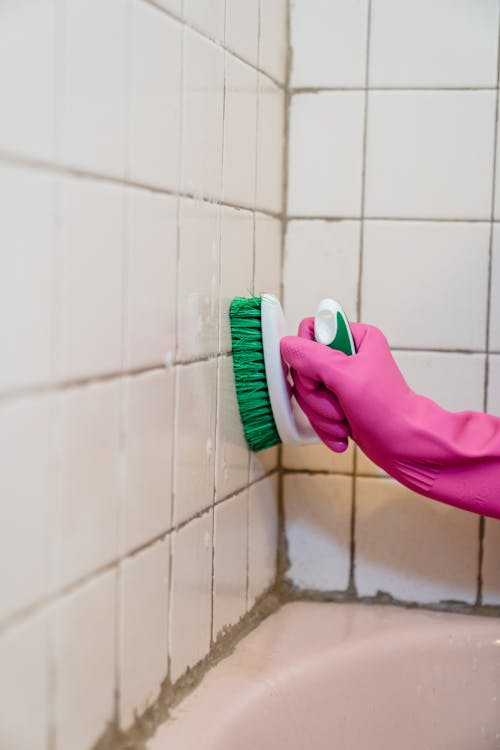
- Shower grout that’s turned black
- Bathroom ceilings with those dark spots
- Vinyl siding that’s covered in algae or mold
- Anywhere you need those stains gone right now
But here’s the catch: it doesn’t prevent the mold from coming back. You’re just removing the stain. The conditions that caused the mold? Still there. So unless you fix your ventilation or moisture problem, you’ll be spraying RMR-86 again in a few months.
Also, ventilate the hell out of wherever you’re using this. The fumes are no joke. And don’t even think about using it on anything delicate—it’ll bleach fabric, damage certain plastics, and can mess up some finishes.
When to Use Concrobium Mold Control
Best uses:
- Prevention in basements, crawl spaces, or anywhere prone to mold
- After you’ve cleaned with something stronger (like RMR-86)
- On porous surfaces like drywall or wood where bleach doesn’t penetrate
- Around kids or pets where you don’t want harsh chemicals
- When you need something for bathroom mold that won’t gas you out
The thing about Concrobium vs RMR-86 for mold removal is that Concrobium actually penetrates porous surfaces. Bleach-based products like RMR-86 mostly just sit on the surface. If you’ve got mold growing in drywall or wood, Concrobium is the better choice.
Plus, it creates a protective barrier as it dries. So it’s actually preventing new mold from growing in that spot. That’s huge if you’re dealing with a chronically damp area.
Price: Which is Cheaper?
They’re pretty close, honestly.
Per ounce, Concrobium is slightly cheaper. But here’s the real question: what are you actually trying to accomplish?
If you need to quickly clean something before showing your house or having guests over, the extra couple bucks for RMR-86 might be worth it for the instant results. If you’re trying to keep your basement from turning into a science experiment, Concrobium is the better long-term investment.
So Which is Better: RMR-86 or Concrobium?
Here’s my honest take: they’re tools for different jobs.
Choose RMR-86 if:
- You need instant stain removal
- You’re dealing with tough black mold stains on non-porous surfaces
- Speed matters more than prevention
- You can handle strong fumes and you’ve got good ventilation
Choose Concrobium if:
- You want to prevent mold from coming back
- You’re treating porous surfaces like drywall or wood
- You need something non-toxic (kids, pets, or sensitive spaces)
- You’re willing to wait for it to work
Got a moldy shower that looks disgusting? Start with RMR-86. Got a damp basement that keeps growing mold no matter what you do? That’s a Concrobium situation.
And honestly? If you’ve got a serious mold problem—like more than a few square feet, or if it keeps coming back, or if you’re seeing it in multiple places—neither of these is your real solution. You’ve got a moisture problem, and these are just band-aids. Get a dehumidifier. Fix your ventilation. Find the leak.
But for everyday mold control? Yeah, keep both of these under your sink. They’re cheap insurance against gross bathrooms and musty basements.