

For any packaged cleaner or mold-control product, follow the manufacturer's current product label and safety instructions. Product choice does not replace correcting the moisture source or evaluating affected materials.
Key Takeaways
- Mold thrives in moist environments like bathrooms, kitchens, and basements.
- Removing mold requires the right techniques and safety precautions.
- Professional mold inspections and removal services are available for severe cases.
- DIY solutions can be effective for small mold patches.
- Preventing mold involves controlling humidity and improving ventilation.
Understanding Mold: Causes and Risks
Common Causes and Moisture Problems
The root of most mold problems is excess moisture. Whether it’s from a leaky pipe, condensation, or high humidity, moisture creates the perfect environment for mold to grow. Leaks and water damage are common culprits, allowing mold to appear within 24–48 hours if not addressed. Additionally, poor ventilation in areas like bathrooms can lead to condensation buildup, providing another pathway for mold growth.
| Cause | Common Areas Affected | Prevention Tip |
|---|---|---|
| Leaks | Walls, ceilings | Fix water damage quickly |
| Condensation | Windows, bathrooms | Use exhaust fans |
| High Humidity | Basements, crawl spaces | Use a dehumidifier |
Essential Tools and Safety Equipment for Mold Removal
Must-Have Personal Protection Equipment
| Equipment | Purpose | Why It’s Important |
|---|---|---|
| Gloves | Prevents skin contact with mold | Protects against irritation and potential infections |
| Mask | Filters airborne mold spores | Prevents inhalation of harmful spores |
| Goggles | Protects eyes from spores | Prevents eye irritation and potential infections |
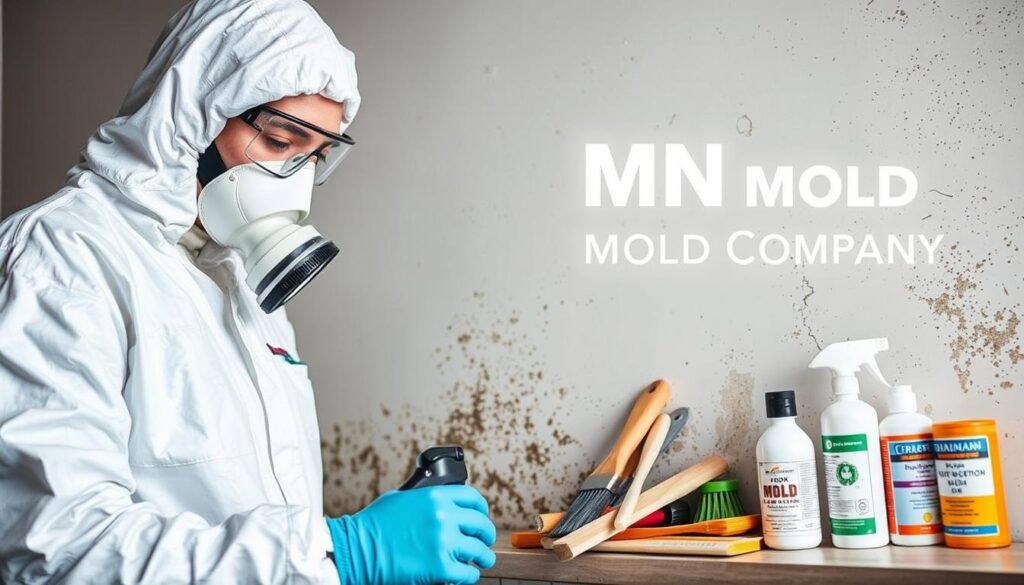
Isolating the work area by closing doors and covering furniture helps prevent mold spores from spreading. This containment, combined with effective ventilation, ensures a safer environment for cleaning.
How to Get Rid of Mold: A Step-by-Step Guide
Removing mold requires careful planning and execution to ensure safety and effectiveness. This guide will walk you through assessing the situation and executing a successful cleanup.
Assessing the Mold Infestation
Start by evaluating the extent of the mold growth. Check both visible areas and hidden surfaces like drywall or behind wallpaper. Note the type of surface affected, as this will influence your cleaning approach.
- Inspect for visible mold patches in bathrooms, kitchens, and basements.
- Check behind walls and in crawl spaces for hidden mold.
Effective Cleaning Techniques
- Use a spray bottle with a mild cleaning solution for small areas.
- Scrub gently to avoid spreading spores, then rinse thoroughly.
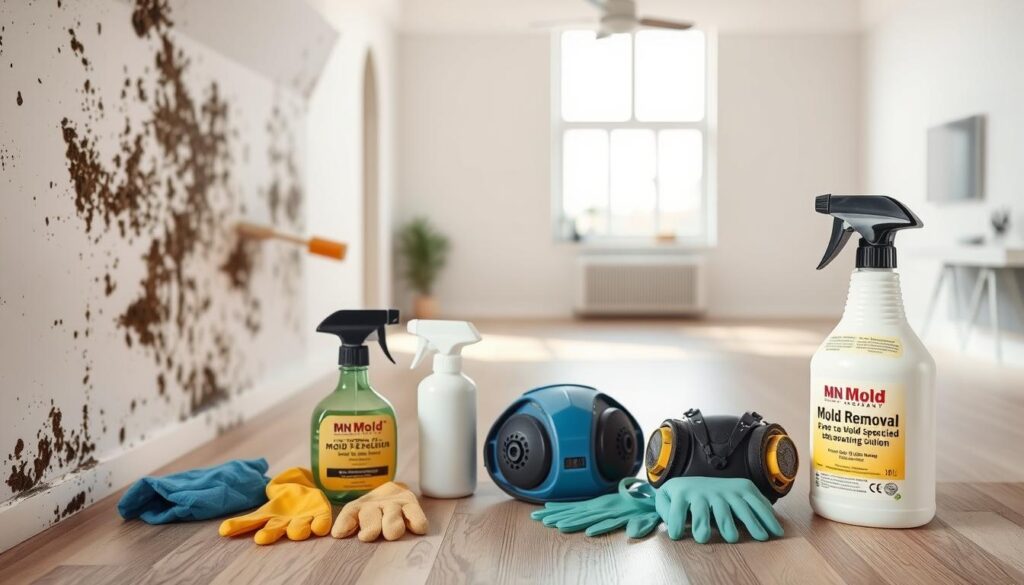
After cleaning, ensure the area is completely dry to prevent regrowth. If the infestation is large or persistent, consider consulting a professional. Always re-assess the area post-cleaning to confirm all spores are removed.
DIY Natural and Chemical Solutions for Mold Cleaning
Natural Cleaning Methods: Vinegar, Baking Soda, and Tea Tree Oil
Chemical Options and When to Use Bleach or Borax
Schedule Your Free Mold Inspection Today
Take advantage of our free mold inspections to identify the severity of the issue. Our experts use advanced tools to detect hidden mold growth and provide detailed reports for effective removal strategies.
Long-Term Moisture Control and Ventilation Strategies
Controlling moisture is key to preventing mold. Use exhaust fans in bathrooms and kitchens to reduce humidity. Consider installing a dehumidifier in damp areas like basements to keep moisture levels low.
- Run exhaust fans during and after showers to vent moisture outside.
- Ensure windows are properly sealed to prevent condensation buildup.
Regular Inspections and Maintenance
Early detection is crucial. Regularly inspect areas prone to moisture for signs of mold. Fix any water damage quickly and improve ventilation in humid spaces.
- Check for musty smells, even if mold isn’t visible.
- Clean gutters and fix leaks promptly to prevent water damage.
Conclusion
For lasting results, focus on controlling moisture. Use exhaust fans in bathrooms and kitchens, and consider a dehumidifier for damp areas. Regular inspections can catch mold early, preventing it from becoming a major issue.
FAQ
What are the first steps to tackle a mold problem in my home?
How can I prevent mold from coming back after cleaning?
What are the best cleaning solutions for removing mold?
What safety measures should I take when cleaning mold?
Wear gloves, goggles, and a mask to protect yourself from spores. Open windows for ventilation and avoid using fans that might spread spores to other areas.
How can I stop mold growth in my bathroom and kitchen?
Use exhaust fans after showers and cooking to reduce moisture. Regularly clean surfaces and fix any water leaks promptly to prevent mold from growing.
What are the signs that mold might be present in my house?
Look for musty smells, water stains, or visible black spots on walls and surfaces. These are common indicators of mold growth, especially in damp areas.
How do I clean mold from wood surfaces?
What’s the difference between mold and mildew?
Mold grows in patches and can be fuzzy, while mildew appears as a powdery substance. Both thrive in moist environments and should be treated promptly to prevent spread.
Can I use vinegar to kill mold effectively?
Why is ventilation important in preventing mold?
Good ventilation reduces moisture in the air, making it harder for mold to grow. It helps keep your home dry and fresh, preventing mold spores from taking hold.
Source Links
- How to Get Rid of Mold – https://www.homedepot.com/c/ah/how-to-get-rid-of-mold/9ba683603be9fa5395fab907c52351c
- The Right Way to Get Rid of Mold in Your Home, According to Experts – https://www.marthastewart.com/273648/mold-tips
- How to Get Rid of Mold and Mildew and Stop It in Its Tracks – https://www.architecturaldigest.com/story/how-to-get-rid-of-mold-and-mildew
- Moisture and Mold Problems: Preventing and Solving Them in Your Home – https://www.webmd.com/lung/mold-mildew
- 9 Must Have Protective Gear/Equipments For Mold Removal – https://www.ultimatemoldcrew.ca/protective-gear-equipment-for-mold-removal/
- Mold Remediation Equipment Professionals Use to Kill Mold – https://gocodes.com/mold-remediation-tools-equipment/?srsltid=AfmBOopLVU5a3EzLZeG4dGO3KTihn1hZVGZeHlqJA79x0_cgIquVtn1k
- The Ultimate Guide on How To Clean and Get Rid Of Mold – https://prohousekeepers.com/blog/ultimate-mold-cleaning-guide/
- How to Make a DIY Mold Remover With Vinegar – https://www.thespruce.com/mold-remover-1388734
- 5 Ways to Kill Mold Naturally – https://www.treehugger.com/kill-mold-naturally-eco-friendly-ideas-4864295
- Commercial Mold Removal | Free Inspections | Professional Mold Remediation Services – https://www.rtcrestoration.com/commercial/mold-removal/
- Free Mold Inspections in Los Angeles | Twin Home Experts – https://www.twinplumbing.com/free-mold-inspections-in-los-angeles/
- Dealing with and preventing mold in your home – https://extension.umn.edu/moisture-and-mold-indoors/dealing-and-preventing-mold-your-home
- How To Get Rid Of Mold From Any Surface (And Keep it Away) – https://www.homemadesimple.com/in-the-home/how-to-get-rid-of-mold-by-surface/
- How to Get Rid of Mold in Closet: Top 10 Effective Tips! – https://www.nushoeinspectandcorrect.com/how-to-get-rid-of-mold-in-closet/
- Natural ways to get rid of mold: Non-toxic DIY mold removal – https://www.ecofmr.com/articles/getting-rid-of-mold-naturally-non-toxic-diy-mold-remover/