
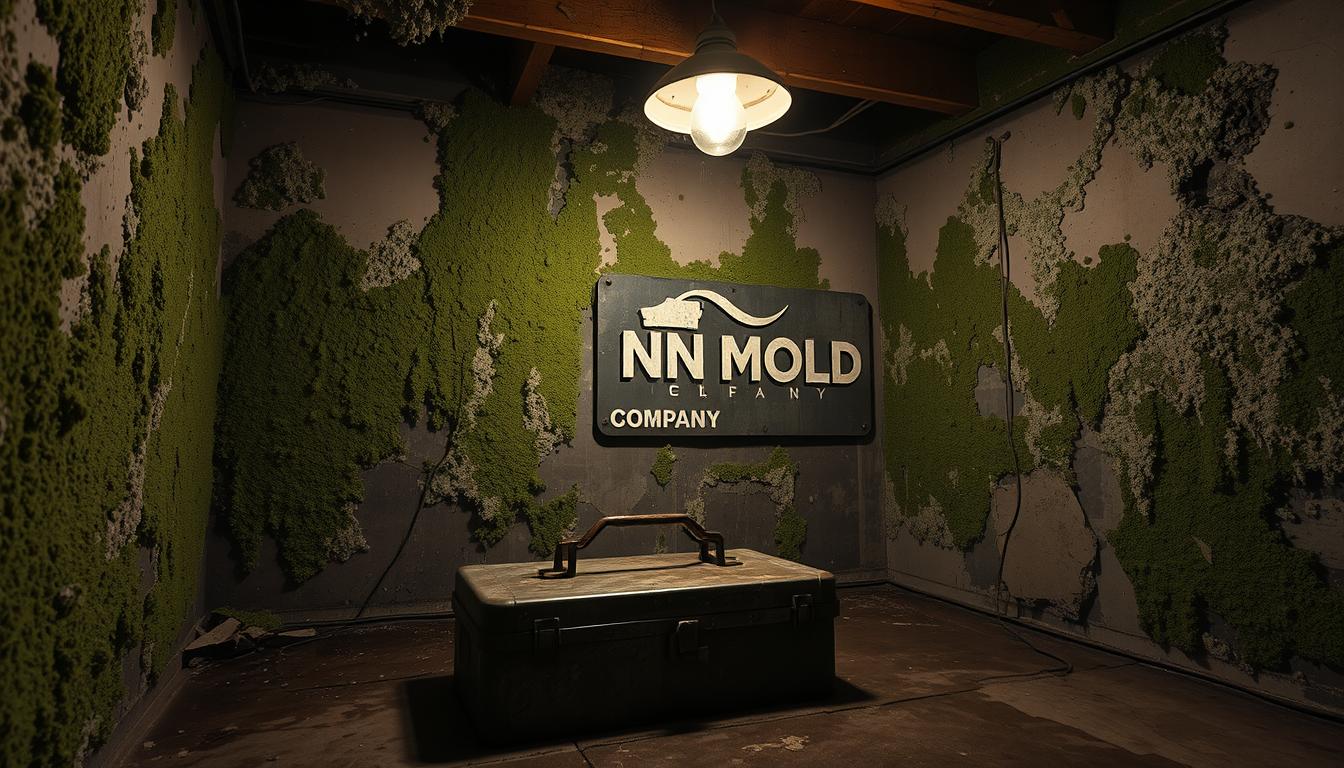
Appearance alone cannot reliably determine mold species.
Key Takeaways
- Mold often grows in hidden, high-moisture areas of your home.
- Professional inspections can identify mold growth before it becomes a major problem.
- Booking a mold inspection is easy—schedule online or call (612) 477-0804.
Understanding Mold: The Basics
What is Mold and How Does It Grow?
Mold grows by releasing spores that settle on surfaces. These spores flourish in moist environments with organic material, leading to visible growth. The process begins with spore germination and progresses to full colonization if conditions remain favorable.
Common Mold Species in Homes
Distinguishing mold from mildew is important. Mold penetrates deeper into surfaces, while mildew remains on the surface. This distinction aids in effective inspection and remediation strategies.
Recognizing the Signs of Mold in Your Home
Visible Growth and Discoloration
Mold often appears as black, green, or greenish-black patches on walls, especially in damp areas like bathrooms and kitchens. These growths can spread quickly if not addressed. Discoloration on surfaces is another sign—look for water stains or unusual staining that doesn’t match the surrounding area.
Dark spots in corners or along walls are common signs of mold. These areas are prone to moisture accumulation, making them ideal breeding grounds for mold growth. Regularly inspecting these spots can help catch issues early.
A musty smell, similar to damp earth, is a common indicator of mold presence. This odor can be subtle at first but may intensify as the problem grows. If you notice such a smell, especially in areas with poor ventilation, it could signal hidden mold growth.
Free Mold Inspections and Why They Matter
Benefits of a Complimentary Inspection
Early Detection Saves Time and Money
Early detection is crucial because mold can spread quickly, leading to costly repairs if left unchecked. According to experts, addressing mold issues early can save homeowners thousands of dollars in remediation costs. Our inspections are designed to identify hidden colonies before they spread, protecting your investment and ensuring a safe living space.
| Safety Protocols | Adherence to strict safety standards ensures a secure environment during inspections. |

Online Booking for Mold Assessments
Scheduling a mold assessment has never been easier with our convenient online booking system. Designed with your busy schedule in mind, our platform allows you to book an appointment at a time that works best for you, ensuring minimal disruption to your daily routine.
Easy Appointment Scheduling
Step-by-Step Online Booking Process
- Visit our website and navigate to the booking page.
- Select your preferred date and time for the assessment.
- Fill in your contact information to confirm your appointment.
- Receive a confirmation email with details and reminders.
| Feature | Details |
|---|---|
| Instant Access | Book your appointment online anytime, 24/7. |
| Convenience | Select a time that fits seamlessly into your schedule. |
| Reminders | Receive email notifications to stay informed and on track. |
| Support | Our team is ready to assist with any questions or concerns. |
Where to Test for Mold in House?
Look for signs of leaks, as even small water damage can create the perfect environment for mold growth behind walls or under sinks. Regularly inspect areas around plumbing fixtures and appliances for any discoloration or musty smells.
Don’t forget to check hidden spots, such as inside cabinets or behind appliances, where moisture might accumulate. These areas are often overlooked but can harbor mold growth undetected.
DIY Mold Testing vs. Professional Methods
When it comes to detecting mold, homeowners often face a dilemma: should they opt for DIY mold testing kits or hire a professional? Each approach has its own set of advantages and limitations.
Advantages and Limitations of DIY Kits
DIY mold test kits are affordable and easily available, making them a tempting option for homeowners on a budget. These kits typically include swabs or petri dishes to collect samples, which are then sent to a lab for analysis. While they can detect the presence of mold, they often fail to identify the specific type of mold or its severity. This can lead to incomplete solutions, as some molds require specialized treatment.
Moreover, DIY kits may produce false negatives or positives due to improper sampling techniques. They also lack the sophistication to detect hidden moisture issues behind walls or in ceilings, which are common areas for mold growth.
The Professional Inspection Process Explained
Protective Equipment and Best Practices
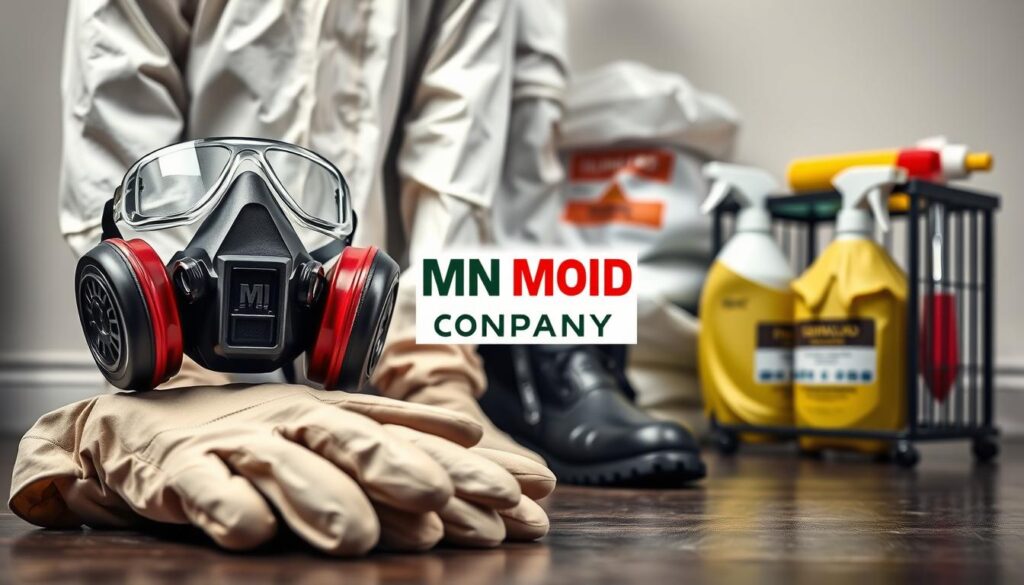
Wearing protective gear is essential. This includes gloves, masks, and goggles to prevent skin contact and inhalation of spores. These items create a barrier, reducing direct exposure.
- Gloves protect your hands from mold and cleaning agents.
- Masks filter airborne spores, crucial in damp spaces like bathrooms.
- Goggles shield your eyes from potential irritants.
When inspecting areas near windows or doors, ensure good ventilation. Open windows to let fresh air in, which helps reduce spore concentration. Avoid spreading spores by not moving infested materials without containment.
Interpreting Mold Test Results and Next Steps
Understanding mold test results can seem overwhelming, but breaking it down makes it manageable. Lab reports typically include metrics like spore levels and mold mildew types, which are crucial for assessing your home’s air quality.
Understanding Your Lab Analysis
- Spore Level: Measures mold concentration in the air.
- Mold Mildew Type: Identifies specific mold species present.
Interpreting Humidity Levels
Making Informed Remediation Decisions
If results show elevated mold levels, address the source of moisture. Fix leaks, improve ventilation, and clean affected areas. For severe cases, consult a professional to ensure thorough remediation and prevent recurrence.
Contact Us Today for Expert Mold Testing
Reach Out at (612) 477-0804
Calling us is simple. Dial (612) 477-0804 to speak with our experts and schedule your appointment. Our easy online booking system is also available 24/7 for your convenience. Don’t wait—early detection can prevent larger, costlier problems down the line.
Reliable Service and Expert Guidance
Our commitment to reliable service and expert guidance sets us apart. We understand the importance of addressing mold issues promptly to prevent them from escalating. Here’s why choosing us is the right decision:
| Feature | Details |
|---|---|
| Free Inspections | Identify potential mold issues without any upfront cost. |
| Easy Online Booking | Schedule your appointment at a time that suits you best. |
Conclusion
FAQ
What are the common areas in my home where mold can grow?
Mold typically thrives in damp environments. Check areas around bathrooms, especially near showers and sinks, kitchens, basements, and crawl spaces. Windows and doors with poor sealing can also harbor mold growth due to moisture buildup.
How can I detect mold in my home?
How can I prevent mold growth in my home?
Control humidity levels using a dehumidifier, fix leaks promptly, and ensure proper ventilation in moist areas like the bathroom and kitchen. Regularly cleaning surfaces and reducing moisture can help prevent mold growth.
Should I use a DIY mold test kit or hire a professional?
While DIY kits can detect surface mold, they may miss hidden growth. A professional mold inspection provides a comprehensive analysis of your home’s air quality and identifies the species of mold present, ensuring accurate results for remediation.
How long does it take to get mold test results?
Can I remove mold myself?
For any packaged cleaner or mold-control product, follow the manufacturer's current product label and safety instructions. Product choice does not replace correcting the moisture source or evaluating affected materials.
What are the signs of a mold problem?
Key indicators include visible growth, a persistent musty odor, and water stains on walls or ceilings. If you notice any of these signs, it’s important to address the issue promptly to prevent it from worsening.
How do I know if I have a mold problem?
What should I do if I find mold in my home?
How can I improve indoor air quality to prevent mold?
Use a dehumidifier, ensure good ventilation in humid areas like the bathroom and kitchen, and fix any water leaks promptly. Regular cleaning and inspecting for moisture damage can also help maintain better air quality.
What are the risks of ignoring a mold problem?
Source Links
- How to Test for Mold in Your Home in 6 Steps—(Even If You Can’t See It) – https://www.bobvila.com/articles/how-to-test-for-mold/
- Mold Testing: How to Test for Mold in Your Home – https://www.familyhandyman.com/list/how-to-test-for-mold/?srsltid=AfmBOopwq3f3loLg5lojSAmblpGnNzqcJ8f-hxkBe4jwRxlGnwU6B0ht
- Moisture and Mold Problems: Preventing and Solving Them in Your Home – https://www.webmd.com/lung/mold-mildew
- Mold, Testing, and Remediation – https://www.cdc.gov/niosh/mold/testing-remediation/index.html
- Mold Testing for Your Home: Guide for Homeowners – https://www.envirovantage.com/professional-mold-testing-guide-for-homeowners/
- Hidden Mold in the House: Signs, Where, and How to Look – https://www.airpf.com/signs-of-hidden-mold-in-the-house-and-how-to-find-them/
- Mold Testing: How to Test for Mold in Your Home – https://www.familyhandyman.com/list/how-to-test-for-mold/?srsltid=AfmBOooyhwoDq9xwXF1h2YJ90NvEnyqXHYlX5EcBxYURCSS9a5YddYwG
- Mold Testing for Home Inspectors – https://www.nachi.org/mold-testing-home-inspectors.htm
- Testing Your Home for Mold | PUR 360 – https://pur360solutions.com/testing-your-home-for-mold/
- Frequently Asked Questions about Mold – https://www.cdph.ca.gov/Programs/CCDPHP/DEODC/EHLB/AQS/Pages/Frequently-Asked-Questions-about-Mold.aspx
- Mold Testing: How to Test for Mold in Your Home – https://www.familyhandyman.com/list/how-to-test-for-mold/?srsltid=AfmBOooNbzAaqdPshX_a8DReY1GuSxZBrVSVJ7y1clcN8hS_MR4JjMzx
- How to Test Your Home for Mold | Blog – https://fullyfunctional.com/blog/how-to-test-your-home-for-mold/
- Mold Test Kit vs. Professional Mold Testing – https://www.puroclean.com/pembroke-pines-fl-puroclean-pembroke-pines/blog/mold-test-kit-which/
- How to Schedule a Mold Inspection in Dallas to Make A Better Decision – https://texinspec.com/diy-vs-professional-mold-testing-which-is-better/
- Mold Testing & Detection: How to Test for Mold in Your Home – https://www.airpf.com/mold-testing-and-detection-how-to-test-for-mold-in-your-home/
- A Guide to Interpreting Mold Test Results – GreenWorks Environmental LLC – https://greenworksllc.com/interpreting-mold-test-results/
- How to Read Mold Test Results – https://diymoldtest.com/blogs/main/how-to-read-mold-test-results?srsltid=AfmBOorB4nZSQCV1PUUK7gIDbm-8KHlQGd2pModKFAbjiBSgEFRsVmg2
- Mold Testing and Inspection in California – Mold Test Company – https://moldtestcompany.com/expert-help/mold-inspection-california/
- This Is the Only Pro You Need to Call for Mold Inspection – https://www.bobvila.com/articles/who-to-call-for-mold-inspection/
- How to Test for Mold? | Ally Property Inspections – https://allypropertyinspections.com/how-to-test-for-mold/
- How to test for mold in your house? – https://elpasowaterremoval.com/how-to-test-for-mold-in-your-house/