
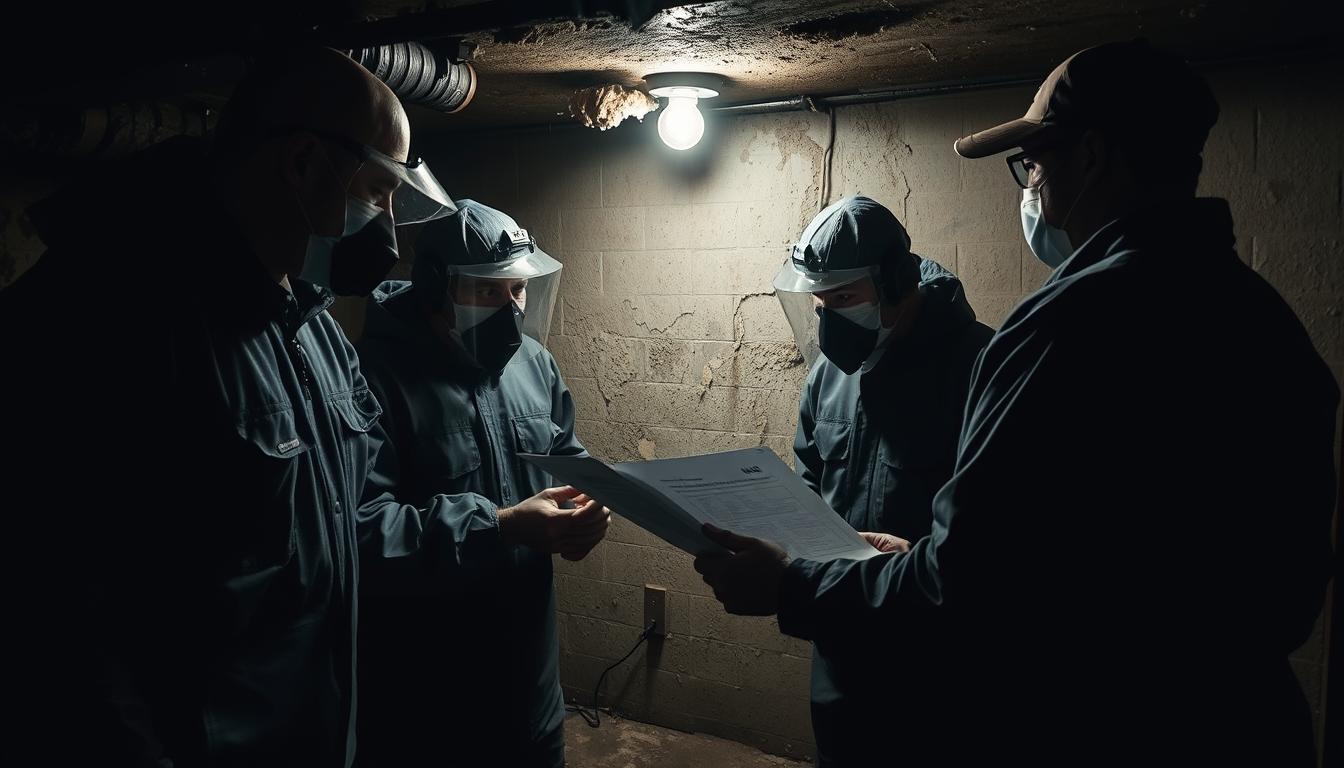
Mold remediation involves the removal of mold colonies from a building. It’s often necessary after water leaks or moisture issues. The cost can vary widely depending on the severity of the damage. In many cases, homeowner insurance may cover mold remediation if it results from a covered peril, such as a sudden water leak. However, coverage limits and conditions vary by insurer.
Key Takeaways
- Mold remediation costs vary based on the extent of the damage.
- Homeowner insurance may cover mold remediation if caused by a covered peril.
- Water leaks and moisture issues are common causes of mold growth.
Understanding Mold Remediation
What is Mold and How Does It Spread?
Mold spores are everywhere, but they flourish in moist conditions. Common sources of moisture include water leaks, high humidity, or poor ventilation. Once mold takes hold, it can spread rapidly, invading walls, ceilings, and floors. This not only damages building materials but also compromises indoor air quality.
Insurance coverage for mold-related damage varies. If mold results from a sudden water leak or covered peril, your homeowner insurance may help. However, policies often have limits or exclusions. Professional mold inspections can identify issues early, making remediation more manageable and cost-effective.
Factors Influencing Mold Remediation Costs
Mold remediation costs can vary significantly based on several key factors. Understanding these elements helps homeowners and property owners better estimate expenses and plan accordingly.
Extent of Damage and Type of Mold
Geographic and Structural Considerations
Location and building structure also influence costs. Homes in regions with high humidity or frequent moisture issues may face higher remediation challenges. Structural complexity, such as mold in attics or crawl spaces, can also drive up costs due to accessibility issues. These factors highlight the importance of prompt action to mitigate potential damage.
Who Pays for Mold Remediation?
Determining who covers the cost of mold remediation can be complex, but understanding the responsibilities of homeowners, renters, and landlords is key. The financial burden often depends on the cause of the mold growth and who is legally at fault.
Homeowners, Renters, and Landlords Explained
Payment responsibility hinges on the cause of the mold problem and who is legally accountable. If mold stems from a sudden covered incident, like a burst pipe, homeowner insurance may cover the remediation. However, if the mold results from neglect or lack of maintenance, the responsibility might fall on the tenant or landlord.
- Homeowners: Typically, homeowner insurance covers mold remediation if it results from a covered peril, such as sudden water damage from a burst pipe or appliance leak.
- Renters: Renters are generally not responsible unless the mold is due to their negligence, such as failing to report a leak.
- Landlords: Landlords are often mandated by local laws to maintain habitable conditions, including mold remediation, as seen in New York City’s regulations.
Financial implications are significant, and proper reporting is crucial to avoid personal costs. Understanding these roles can influence decisions during a remediation claim, as outlined in earlier sections.
Mold remediation is not just about removing the mold; it’s about addressing the root cause and ensuring a safe environment.
In summary, the responsibility for mold remediation costs varies based on the cause and accountability. Homeowners, renters, and landlords each have distinct roles, and understanding these can help navigate the financial and legal aspects of remediation.
Insurance Policies and Mold Coverage
Understanding how insurance policies handle mold remediation is crucial for homeowners. Most policies cover mold damage only if it results from a sudden, accidental event, such as a burst pipe or water heater failure. These events are considered “covered perils.”
Understanding Covered Peril and Limitations
It’s essential to review your policy to understand these limits and what’s included. For instance, standard homeowner insurance might cover mold resulting from a sudden water leak but exclude damage from long-term moisture issues or poor maintenance.
Common Exclusions and Additional Coverage Options
Insurance policies often exclude mold damage caused by neglect or lack of maintenance. For example, if mold grows due to a slow, undetected leak, your claim might be denied. Additional coverage options are available, such as endorsements for broader mold coverage, but these may increase your premium.
Always consult with your insurance company to verify the extent of your mold-related coverage. Being informed can help you avoid unexpected out-of-pocket costs during remediation.
Understanding your insurance policy’s coverage for mold remediation is vital. Take the time to review your policy and consult with your insurance company to ensure you’re prepared for any potential mold-related issues.
Responsibility in Rental and Landlord Scenarios
In rental properties, understanding who is responsible for addressing mold issues is crucial for both tenants and landlords. The responsibilities are clearly divided, with each party having specific duties to ensure a safe living environment.
Tenant Obligations and Reporting Leaks
As a renter, it’s essential to report any water leaks or mold suspicions promptly. Timely reporting helps prevent minor issues from becoming major problems. Tenants should also maintain proper ventilation to reduce moisture buildup, which can lead to mold growth. Failure to report issues can sometimes lead to tenants being held financially responsible for the resulting damage.
- Report leaks and moisture issues immediately to avoid liability.
- Maintain good ventilation to prevent mold growth.
- Document all communications with your landlord.
Landlord Duties Under Local Laws
- Landlords must address mold issues promptly after being notified.
- Documentation of all steps taken is crucial for legal protection.
Proper communication and documentation are key to resolving mold issues effectively. Tenants and landlords should work together to address problems early, preventing costly repairs and ensuring a safe living space. By being proactive, both parties can avoid legal disputes and financial losses.
The Role of Mold Assessments and Free Inspections
Identifying mold issues early is crucial for preventing costly damage. Professional mold assessments play a key role in accurately evaluating the extent of mold growth in your home. These assessments help determine the best approach for remediation, ensuring the problem is resolved effectively.
Online Booking and How to Get Started
Scheduling a mold assessment has never been easier. Our online booking system allows you to arrange an inspection quickly and conveniently. For immediate assistance, call us at (612) 477-0804. Our services are designed to save you both money and stress by addressing mold issues early, preventing them from becoming larger problems.

Preventive Measures to Avoid Mold Remediation Costs
Effective Moisture and Ventilation Control
Controlling moisture and ensuring good ventilation are key to preventing mold growth. Here are some actionable tips to help you avoid mold issues:
- Fix water leaks and moisture issues quickly to prevent mold from growing.
- Use dehumidifiers in humid areas like basements and bathrooms.
- Ensure good airflow by using exhaust fans, especially after showers or cooking.
| Strategy | Benefits |
|---|---|
| Fix Leaks Promptly | Prevents moisture buildup and mold growth. |
| Use Dehumidifiers | Reduces humidity, creating an environment less conducive to mold. |
| Ensure Good Ventilation | Reduces moisture in the air, preventing mold from developing. |
Navigating Claims and Filing a Mold Insurance Claim
Filing a mold insurance claim can be a daunting process, but understanding the steps involved can make it more manageable. Knowing what to do and when can help ensure your claim is processed smoothly.
Step-by-Step Claims Process
Once mold is discovered, immediate action is essential. Start by stopping any leaks and preventing further water damage. This not only limits the growth of mold but also shows your insurance company that you’re taking proactive steps to mitigate the issue.
Essential Documentation and Timely Reporting
Documenting the damage is crucial. Take photos and videos of the affected areas and any visible mold growth. Keep receipts for any temporary repairs or cleaning supplies. Contact your insurance company promptly to report the issue and file your claim. Most policies require notification within a specific timeframe, so timely reporting is key to avoiding claim denials.
Understanding your policy’s language and coverage limits is vital. Review your policy to know what’s covered and what’s not. Cooperate fully with insurance adjusters and maintain all documentation for a smoother process. Remember, early action and thorough documentation are your best tools in navigating a mold insurance claim effectively.
Conclusion
Early detection and prevention are key to avoiding costly remediation. Fixing leaks promptly, using dehumidifiers, and ensuring good ventilation can prevent mold growth. Regular maintenance and inspections are vital for catching issues early, reducing the need for extensive and expensive remediation.
FAQ
Is mold remediation covered by insurance?
It depends on your insurance policy. If the mold growth is caused by a covered peril, such as a burst pipe or water damage, your insurance may cover the remediation. However, if the mold is due to poor maintenance or humidity issues, it might not be covered.
How can I prevent mold growth in my home?
To prevent mold, ensure good ventilation, control humidity levels, and fix any water leaks promptly. Regular maintenance and inspections can help catch moisture issues before they lead to mold growth.
What should I do if I find mold in my rental property?
If you find mold in your rental, document the issue and notify your landlord immediately. They are typically responsible for addressing mold caused by structural issues or water leaks, as part of their duty to maintain a safe living environment.
How long does mold remediation typically take?
The duration of mold remediation depends on the extent of the damage and the size of the affected area. In most cases, it can take anywhere from a few days to several weeks to fully resolve the issue.
Can I clean up mold myself?
Small areas of mold (less than 10 square feet) can sometimes be cleaned by homeowners using proper safety gear and techniques. However, larger infestations require professional remediation to ensure safety and prevent further growth.
How much does mold remediation cost?
The cost of mold remediation varies widely depending on the extent of the damage, the type of mold, and the location of the affected area. On average, it can range from 0 to ,000 or more for severe cases.
What is the difference between mold remediation and mold removal?
Mold remediation involves identifying and addressing the source of moisture, containing the affected area, and safely removing mold. Mold removal is just the process of eliminating mold without necessarily addressing the underlying cause.
How do I file a mold insurance claim?
To file a mold insurance claim, document the damage, identify the source of the moisture, and contact your insurance company. Provide detailed evidence and follow their claims process to ensure timely resolution.
Can landlords be held responsible for mold issues?
How can I find a reliable mold remediation company?
Source Links
- Mold insurance claim | Who pays for mold remediation? – https://www.insure.com/home-insurance/mold-insurance-claim.html
- Mold Remediation | Office of the Attorney General – https://www.texasattorneygeneral.gov/consumer-protection/home-real-estate-and-travel/mold-remediation
- Who Pays for Mold Remediation? A Guide to Understanding Your Options – Damage Control – https://www.damagecontrol-911.com/who-pays-for-mold-remediation/
- Who Pays for Mold Remediation? Understanding Responsibilities and Costs – https://www.emscleanup.com/about-ems/blog/who-pays-for-mold-remediation-understanding-responsibilities-and-costs/
- Who Pays for Mold Remediation? What Homeowners and Landlords Need to Know – https://greenorchardgroup.com/who-pays-for-mold-remediation-what-homeowners-and-landlords-need-to-know/
- Who Pays for Mold Remediation? | Mold Insurance Claims – https://rescueclean911.com/blog/who-pays-for-mold-remediation/
- Who Pays for Mold Remediation | Moisture Master Pros – https://moisturemasterpros.com/who-pays-for-mold-remediation/
- 7 Factors That Influence Mold Removal Cost – https://www.hcienv.com/7-factors-that-influence-mold-removal-cost
- What Impacts The Cost Of Mold Remediation? A Homeowner’s Guide – Blackhill Restoration – https://blackhillrestoration.com/blog/cost-of-mold-remediation/
- A Complete Guide About Mold Remediation Claims – https://www.atticprojectscompany.com/who-pays-for-mold-remediation/
- Who Pays for Mold Remediation? | Neti Education In Florida – https://www.neti.education/who-pays-for-mold-remediation/
- Does Homeowners Insurance Cover Mold? – https://www.progressive.com/answers/does-homeowners-insurance-cover-mold/
- Does Homeowners Insurance Cover Mold? – NerdWallet – https://www.nerdwallet.com/article/insurance/does-homeowners-insurance-cover-mold
- What To Do if Tenants Have Mold in Their Rental Units | Pur360 – https://pur360solutions.com/what-responsibilities-do-landlords-have-for-mold-in-their-rental-units/
- Is the Landlord Responsible for Mold? A Landlord’s Guide – https://legaltemplates.net/resources/real-estate/is-landlord-responsible-for-mold/
- Who’s Responsible for Mold in a Rental Property? – https://www.moveout.com/blog/mold-in-a-rental-property
- Frequently Asked Questions about Mold – https://www.cdph.ca.gov/Programs/CCDPHP/DEODC/EHLB/AQS/Pages/Frequently-Asked-Questions-about-Mold.aspx
- Mold Inspection vs Mold Testing: Understanding the Key Differences – https://www.gpinspect.com/article/mold-inspection-and-testing/
- Mold Remediation Costs: What to Expect – https://www.puroclean.com/southlake-tx-puroclean-southlake/blog/mold-remediation-costs-what-to-expect/
- Mold Remediation: What It Is, Costs, and Timeframes | Bill Howe – https://www.billhowe.com/blog/mold-remediation-what-it-is-costs-and-timeframes/
- Mold: Problems and Solutions – https://www.fema.gov/fact-sheet/mold-problems-and-solutions
- When are water damage and mold covered by insurance? – https://www.tdi.texas.gov/tips/when-are-water-damage-and-mold-covered-by-insurance.html
- Insurance Claim Tips for Mold Damage – United Policyholders – https://uphelp.org/claim-guidance-publications/insurance-claim-tips-for-mold-damage/
- Explaining Mold and Insurance Coverage – Mackoul Risk Solutions – Condominium Co-op Insurance – https://mackoul.com/blog/explaining-mold-and-insurance-coverage/
- Navigating Mold Remediation Costs: Who Pays and How Much? – https://www.linkedin.com/pulse/navigating-mold-remediation-costs-who-pays-how-much-restorefastnow-waouc
- Who Pays for Mold Removal? – Pure Maintenance of Texas – https://puremaintenancetx.com/2023/03/21/who-pays-for-mold-removal/
- Does Homeowners Insurance Cover Mold? – https://www.ramseysolutions.com/insurance/does-homeowners-insurance-cover-mold?srsltid=AfmBOopT1iskXH1byBLt6OWYhMhfJloxicdubuepihbLB2Nd2CZIQkvR