
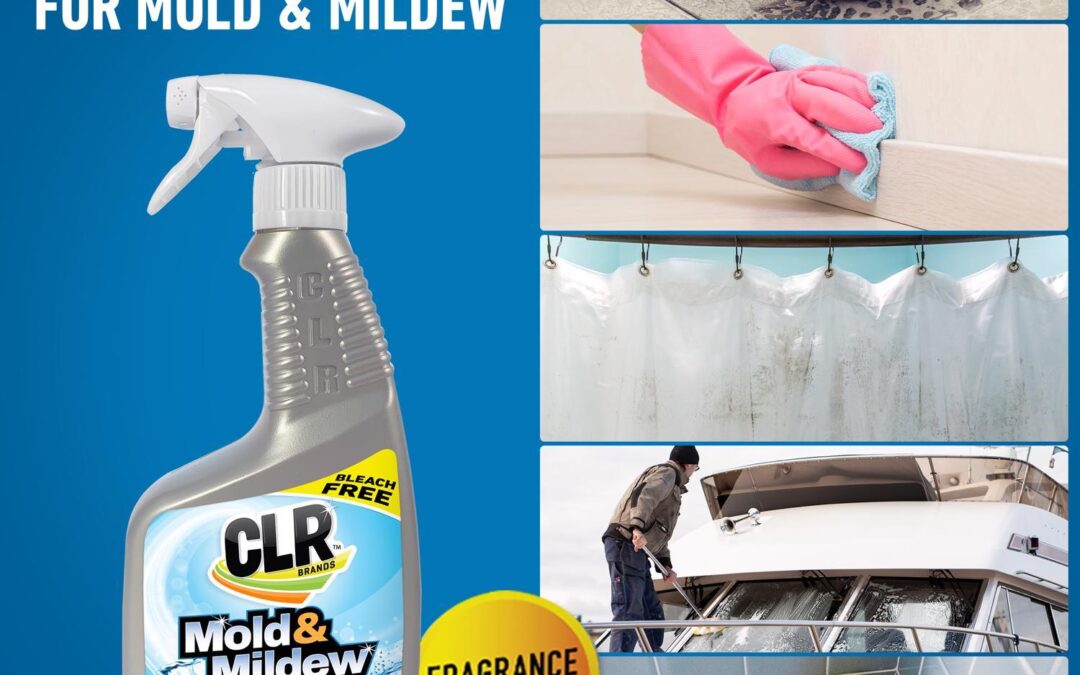
So you’re standing in the cleaning aisle, staring at CLR Mold and Mildew Remover, wondering if it actually works or if it’s just another overpriced spray bottle making big promises.
I get it. I’ve been there. The bottle says “no scrubbing required” and shows these perfect before-and-after photos that look suspiciously like they were taken in a laboratory, not a real bathroom.
Let’s talk about whether CLR mold remover actually works—and more importantly, when it’s worth your money and when it’s not.
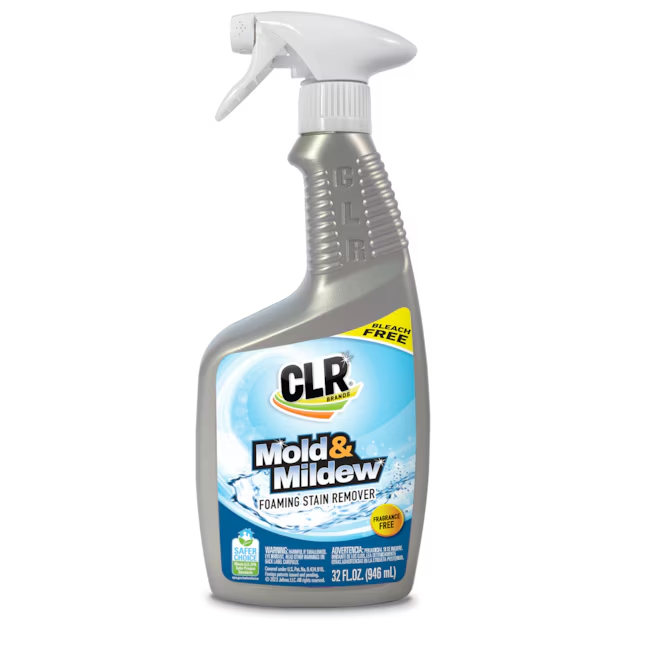
What Is CLR Mold and Mildew Remover?
CLR makes a bunch of cleaning products (you’ve probably seen their calcium, lime, and rust remover), but their mold and mildew spray is specifically designed for bathrooms. The full name is “CLR Brilliant Bath Mold and Mildew Stain Remover,” which is a mouthful, so most people just call it CLR mold remover.
It’s a foam spray—not a liquid—which is actually kind of nice because it sticks to vertical surfaces instead of running down the wall immediately. The active ingredient is a combination of surfactants and mild acids that break down mold and mildew stains.
Unlike bleach-based products, CLR doesn’t use sodium hypochlorite. Instead, it uses different chemistry that’s supposed to be gentler on surfaces while still being tough on stains.
Our Real-World Testing Results
Alright, here’s what actually happened when I tested CLR mold remover on shower tile, grout, and that gross black stuff that builds up around the bathtub caulking.
The Good News: For light to moderate mold and mildew stains, CLR mold and mildew stain remover actually works pretty well. I sprayed it on some grout that had a grayish discoloration—not terrible, but definitely not clean—and left it for about 5 minutes. When I wiped it off, maybe 70-80% of the stain was gone.
The foam formula is legitimately helpful. It doesn’t drip everywhere, so you’re not wasting product or creating a mess on your bathroom floor.
It does have a smell, but it’s not the overwhelming bleach fume situation. You still want ventilation, but you’re not going to gas yourself out of the bathroom.
The Not-So-Good News: That “no scrubbing required” claim? Yeah, that’s optimistic. For anything more than superficial mildew, you’re going to need to scrub at least a little. I used a brush on the grout and it made a significant difference compared to just spraying and wiping.
Heavy black mold stains? CLR struggled. It lightened them, but it didn’t make them disappear. If you’ve got those thick, dark black lines in your grout or around your caulking, you’re probably going to be disappointed.
And here’s the thing nobody talks about: does CLR kill black mold, or does it just remove the stains? CLR will remove surface stains and kill surface mold, but if you’ve got mold growing into porous materials like grout or drywall, this isn’t penetrating deep enough to solve that problem.
Pros and Cons
Let me break this down honestly.
What CLR Mold Remover Does Well:
- Actually removes light to moderate stains without destroying your lungs with bleach fumes
- Foam formula sticks to walls and vertical surfaces
- Won’t bleach out colored grout or damage most finishes
- Works on multiple surfaces (tile, glass, fiberglass, porcelain)
- Easier on your hands than bleach—you still want gloves, but it’s less harsh
Where It Falls Short:
- “No scrubbing” is marketing BS—you’ll need to scrub for real results
- Not great on heavy, set-in black mold stains
- More expensive than bleach or generic mold removers
- Doesn’t prevent mold from coming back (it’s a stain remover, not a preventative)
- The smell is better than bleach, but it’s not pleasant
CLR vs Tilex vs Mold Armor: How Does It Compare?
Since you’re probably trying to decide between a few options, here’s how CLR mold remover stacks up against the competition.
CLR vs Tilex for Mold Removal
Tilex uses bleach (sodium hypochlorite), so it’s more aggressive on stains. If you want something that removes heavy black mold stains fast, Tilex wins. But the tradeoff is those intense bleach fumes and the risk of discoloring surfaces.
CLR is gentler—less fumes, safer on finishes, but not as powerful on tough stains. If you’ve got light mildew and you want something you can use regularly without wearing a gas mask, CLR is the better pick.
CLR vs Mold Armor
Mold Armor also uses bleach, similar to Tilex. It’s usually cheaper than CLR and works faster on heavy stains. But again, you’re dealing with bleach fumes and potential surface damage.
CLR is the middle ground. Not as aggressive as the bleach products, but more effective than the truly “gentle” cleaners.
The Real Question: What Are You Actually Trying to Clean?
- Light soap scum and mildew in a regularly-cleaned bathroom? CLR works great.
- Heavy black mold stains that have been there for months? You probably need Tilex or straight bleach.
- Regular maintenance to keep mold from building up? CLR is a solid choice that won’t trash your bathroom.
Best Way to Use CLR Mold Remover
If you do buy CLR, here’s how to actually get results:
- Spray generously. Don’t be stingy. The foam needs to sit on the stain.
- Wait longer than you think. The bottle says “let sit for 2 minutes,” but 5-10 minutes gives better results. For tough stains, I’ve let it sit for 15 minutes.
- Scrub, even though they say you don’t have to. Use a grout brush or even an old toothbrush. The chemical does the heavy lifting, but a little mechanical action makes a huge difference.
- Rinse thoroughly. Don’t just wipe it off—rinse with water. Leaving residue can attract more dirt.
- Repeat if necessary. One application might not cut it for stubborn stains. But if you’re on your third application and it’s still not working, it’s not going to work.
Does CLR Mold Remover Work on Shower Tile?
Yes, and this is probably where it performs best. CLR mold remover on shower tile—especially ceramic or porcelain—works well because those surfaces are smooth and non-porous.
Spray it on the tile, let it sit, wipe it off. For grout between the tiles, you’ll need to scrub more, but the tile itself cleans up nicely.
Glass shower doors? Also good. The foam sticks to the glass, and CLR does a solid job removing water spots and mildew film without leaving streaks.
Before and After: What to Expect
Here’s what realistic CLR mold remover before and after results look like:
Before: Grout lines with light gray or tan discoloration. Tile with a hazy mildew film. Maybe some light black spots in corners.
After: Grout is noticeably cleaner—maybe 70-80% improvement. Tile is clear and shiny. Light spots are mostly gone.
What won’t change: Deep black stains in grout. Mold that’s grown into porous surfaces. Old caulking that’s turned black (you need to replace that, not clean it).
If you’re expecting a miracle transformation from “condemned bathroom” to “showroom,” you’ll be disappointed. But for regular maintenance and addressing mild to moderate problems, CLR delivers.
Final Verdict: Is CLR Mold Remover Effective?
So, is CLR mold remover effective? Yeah, it is—but with the right expectations.
Buy CLR Mold Remover if:
- You’re dealing with light to moderate mold and mildew stains
- You want something less harsh than bleach
- You clean your bathroom semi-regularly and want a decent maintenance product
- You have colored grout or finishes you don’t want to bleach out
- You prefer foam over spray (it really does work better on walls)
Skip CLR and use something else if:
- You’ve got heavy, set-in black mold stains (use Tilex or RMR-86 instead)
- You’re on a tight budget (bleach is way cheaper)
- You need something that prevents mold, not just removes it (use Concrobium after cleaning)
- You don’t mind bleach fumes and want the fastest results (go with Tilex)
Look, CLR mold and mildew remover isn’t magic, but it’s also not snake oil. It’s a solid middle-of-the-road option for people who want something stronger than vinegar but gentler than industrial-strength bleach.
For regular bathroom maintenance, it does the job. For serious mold problems, you need something more aggressive. And if you’ve got a recurring mold issue, you’ve got a ventilation or moisture problem that no cleaning product is going to fix.
But for what it is—a decent mold stain remover that doesn’t require a hazmat suit—yeah, CLR works.