
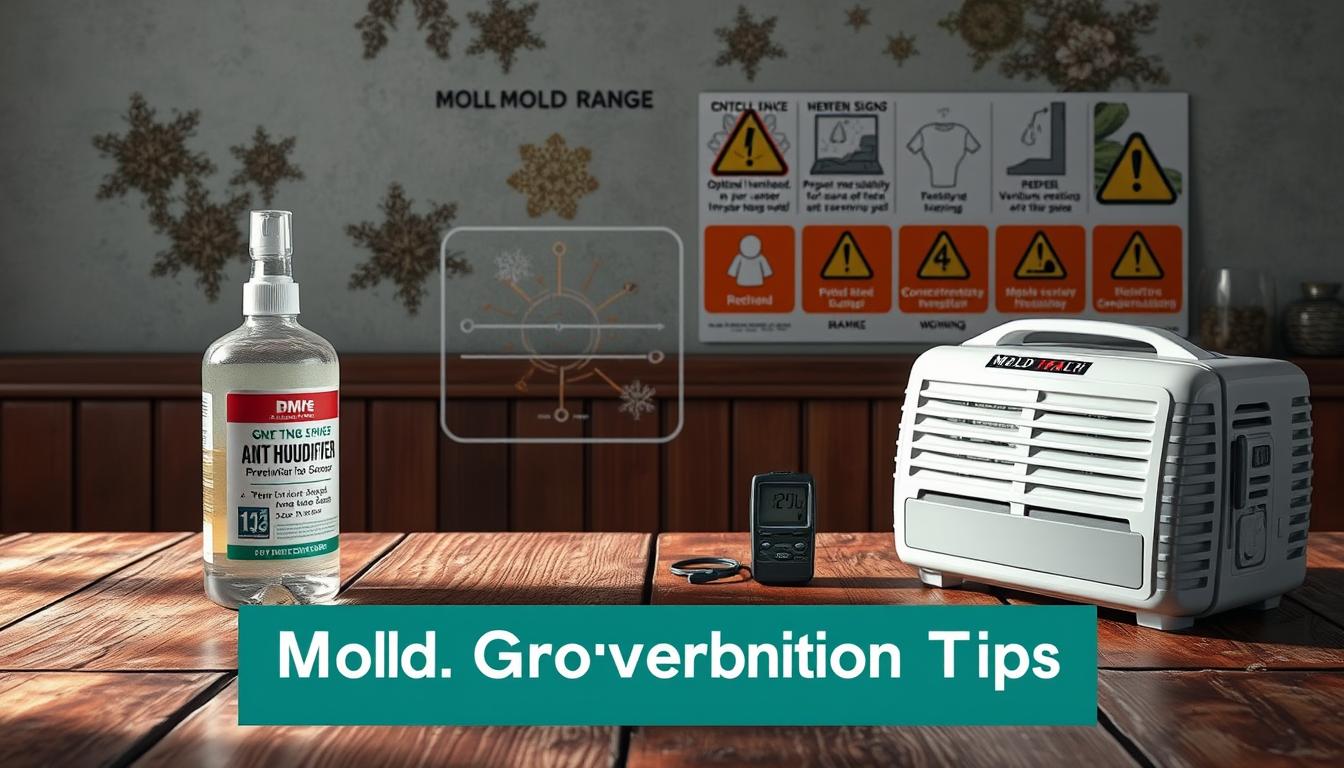
The recurring issue of mold growth often stems from not fully disrupting its life cycle. While cleaning visible mold may provide temporary relief, it’s essential to address the root causes that allow it to come back. This article will explore not only effective removal methods but also prevention strategies to help you regain control of your space.
Key Takeaways
- Mold thrives in moist environments, making humidity control crucial for prevention.
- Understanding the mold life cycle is essential for effective removal and prevention.
- Regular cleaning and reducing moisture can significantly lower the risk of mold growth.
- Addressing leaks and improving ventilation are key strategies to prevent mold recurrence.
- Professional help may be necessary for large-scale mold infestations.
Introduction to the Mold Challenge
Mold is a common issue many homeowners face, often appearing in areas where moisture lingers. Its presence can be frustrating, especially when it seems to return despite cleaning efforts. Understanding the conditions that allow mold to grow is crucial for effective prevention.
Understanding the Mold Problem in Your Home
Mold thrives in damp environments, making areas like bathrooms and basements prime spots for growth. These spaces often experience higher humidity and water exposure, creating ideal conditions for mold development. Even slight dampness can lead to mold, especially after water leaks or floods, which introduce excess moisture into the environment.
An Overview of Common Mold-Prone Areas
Key areas to monitor include:
- Bathrooms: Showers and sinks are prone to water spots and humidity.
- Basements: Often damp due to poor ventilation and potential water leaks.
- Areas affected by water leakage or flooding: These spots are vulnerable to mold growth if not properly dried.
Understanding “Why Does Mold Keep Coming Back?”
Mold can be a persistent issue in homes, often reappearing despite cleaning efforts. This recurring problem arises from a combination of biological and environmental factors that create ideal conditions for mold growth.
Moisture plays a crucial role in mold regrowth. Even slight dampness can trigger spore germination, leading to visible growth. Mold spores are omnipresent and thrive in humid environments, making them a constant threat in damp areas.
- Moisture and Humidity: These elements create the perfect environment for spores to germinate and grow.
- Spore Formation and Dispersal: Mold produces spores that can survive harsh conditions and spread easily, ensuring their persistence.
- Food Sources: Minimal organic matter is enough to sustain mold growth on various surfaces.

Free Mold Inspections for Peace of Mind
Book Your Mold Assessment Online Today
Scheduling a mold assessment has never been easier. You can book online or call us directly at (612) 477-0804 for immediate assistance. Our goal is to make the process as smooth as possible, ensuring you get the help you need without delay.
- Effortless Online Booking: Schedule your assessment online or call us today for prompt service.
- Quality Service: We aim to provide trustworthy and efficient solutions to eliminate mold at its source.
Breaking the Mold Life Cycle for Prevention
Centralized systems, such as your HVAC, play a vital role in controlling humidity and ventilation. These systems help regulate moisture levels and prevent the conditions that allow mold to grow. For instance, using a dehumidifier in humid areas like basements or bathrooms can maintain optimal humidity levels. Additionally, ensuring proper ventilation in these spaces can further reduce moisture buildup.

Regular monitoring of humidity levels is essential. Consider using a hygrometer to keep track of moisture levels in different areas of your home. By maintaining consistent humidity control, you can create an environment that is less conducive to mold growth. This proactive approach not only prevents mold but also improves indoor air quality.
Effective Mold Removal and Remediation Techniques
When it comes to getting rid of mold, it’s important to go beyond surface cleaning. Effective removal requires a comprehensive approach that addresses the root causes of growth. Simply wiping away visible mold may provide temporary relief, but it won’t solve the problem long-term.
Why Proper Remediation Matters
- Sealing affected areas prevents spores from spreading.
- Using approved cleaning products ensures mold is fully removed.
- Addressing underlying moisture is crucial for lasting results.
By following guided processes and using the right tools, you can effectively get rid of mold and prevent it from returning. Remember, stopping mold starts with addressing its source.
Proactive Steps for Long-Term Mold Control
One of the most effective strategies is improving air circulation. Open windows, use fans, and ensure that every room, including crawl spaces and floors, has proper ventilation. This helps reduce moisture buildup, making it harder for mold spores to thrive. Regular air quality checks can also help identify potential issues before they escalate.
- Inspect Regularly: Check for signs of moisture or water damage in all areas, especially in crawl spaces and on floors.
- Use Dehumidifiers: These devices are especially useful in humid spaces like basements to keep moisture levels under control.
- Maintain Clean Spaces: Regular cleaning and drying of surfaces can prevent mold from taking hold.
Conclusion
In conclusion, addressing recurring mold growth requires a comprehensive strategy that includes inspection, control, and professional remediation. By understanding the conditions that promote mold growth—such as moisture, humidity, and spore dispersal—you can take proactive steps to prevent its return. Regular inspections and maintaining a clean, well-ventilated environment are key to long-term mold control.
FAQ
What causes mold to grow in homes and offices?
How do mold spores spread and establish new growth?
Mold spores are microscopic and can travel through the air, settling on surfaces or materials. Once they find a damp area with adequate food sources, such as wood or drywall, they begin to grow. Regular cleaning and humidity control are key to preventing this process.
Can mold growth be prevented without professional help?
Yes, proactive measures can help control mold. Reducing humidity levels, improving ventilation, and promptly addressing water damage are effective strategies. Using a dehumidifier in basements or crawl spaces can also prevent moisture buildup, which attracts mold spores.
How long does it take to fully remediate a mold problem?
The duration of mold remediation depends on the severity of the infestation and the size of the affected area. Professional services often complete the process within a few days to a week, ensuring all spores and damaged materials are removed to prevent future growth.
Are DIY mold cleaning solutions effective?
While DIY cleaning can address small areas of mold growth, it may not eliminate the root cause. Professional mold remediation services are recommended for larger infestations, as they use specialized equipment and techniques to ensure complete removal and prevent recurrence.
How can I detect mold growth before it becomes a problem?
Look for visible signs like black spots on walls or ceilings, and be alert to a musty odor. Regularly inspect damp areas such as bathrooms, kitchens, and basements. If you suspect mold, contact a professional for a thorough mold inspection to identify and address the issue early.
What steps should I take after a flood to prevent mold growth?
Act quickly to dry the area within 24-48 hours. Remove soaked materials, use fans and dehumidifiers to reduce moisture, and disinfect surfaces. If the damage is extensive, consider hiring a professional restoration service to ensure mold doesn’t take hold.
Can mold grow on all types of materials?
Mold can grow on most organic materials, including wood, drywall, carpets, and fabrics. Regular cleaning and moisture control are essential to prevent growth on these surfaces. In severe cases, material removal may be necessary during the remediation process.
How can I maintain low humidity levels in my home?
What are the benefits of professional mold remediation services?
Source Links
- How to Get Rid of Mold and Mildew (and Prevent It from Coming Back) – https://www.bhg.com/how-to-get-rid-of-mold-and-mildew-8674585
- Why Does Mold Keep Coming Back After Being Removed? – https://cfmoldinspect.com/permanenet-mold-removal
- Why Bathroom Mold Keeps Coming Back—and How to Stop It | All Nation Restoration – https://www.allnationrestoration.com/bathroom-mold/
- The Challenge of Mold in Modern Hospitals and Healthcare Facilities – https://www.servicemasterrestore.com/servicemaster-restoration-by-dsi-chicago/why-us/blog/2020/february/the-challenge-of-mold-in-modern-hospitals-and-healthcare-facilities/
- Why Does Mold Keep Coming Back After Being Removed? – https://certifiedmoldassessments.com/why-does-mold-keep-coming-back-after-being-removed/
- Why Does Mold Keep Coming Back? – https://www.stoprestoration.com/blog/2024/may/why-does-mold-keep-coming-back-/
- The Persistence of Mold: Why Does it Keep Coming Back? – https://www.servproozoneparkjamaicabay.com/blog/post/422865/mold-removal-remediation/the-persistence-of-mold-why-does-it-keep-coming-back
- How To Test Your Home for Mold, with Mike Schrantz | RHR – https://chriskresser.com/how-to-test-your-home-for-mold-with-mike-schrantz/
- How To Safely remove Mold-Infested Materials – https://www.randrmagonline.com/articles/90848-how-to-safely-remove-mold-infested-materials
- Why Do I Have Recurrent Mold Problems in my Home? – E.R. Services – https://www.erplumbing.com/blog/why-do-i-have-recurrent-mold-problems-in-my-home/
- Why Does Mold Keep Coming Back on My Walls – MSR Restorations – https://msrrestoration.com/why-does-mold-keep-coming-back-on-my-walls/
- Struggling to get mould off your clothes, leather goods and wood? Here’s why – https://www.abc.net.au/news/2022-06-13/why-does-mould-keep-coming-back-after-i-clean-it-explained/101137900
- How to Prevent Mold from Returning After Elimination – https://firstcallnc.com/blog/mold-return-after-remediation/
- Moisture and Mold Problems: Preventing and Solving Them in Your Home – https://www.webmd.com/lung/mold-mildew
- Mold Remediation: Preventing Recurrence and Ensuring Long-Term Solutions – https://www.restoremore.pro/article/mold-remediation-long-term-solutions
- Strategies to Prevent Mold & Mildew | CloroxPro – https://www.cloroxpro.com/blog/prevent-treat-repeat-strategies-to-prevent-big-mold-and-mildew-problems/
- The Long-Term Effects of Mold in Your Home – Alpha Restoration – https://www.alpharesto.net/blog/the-long-term-effects-of-mold-in-your-home/
- Understanding the Persistence of Mold after Removal: Causes and Prevention – https://www.servprosunnyvalenorth.com/blog/post/421504/mold-removal-remediation/understanding-the-persistence-of-mold-after-removal-causes-and-prevention
- Does mold come back after mold remediation? – Mold Testing and Bacteria Testing – https://www.moldbacteria.com/mold/does-mold-come-back-after-mold-remediation.html