
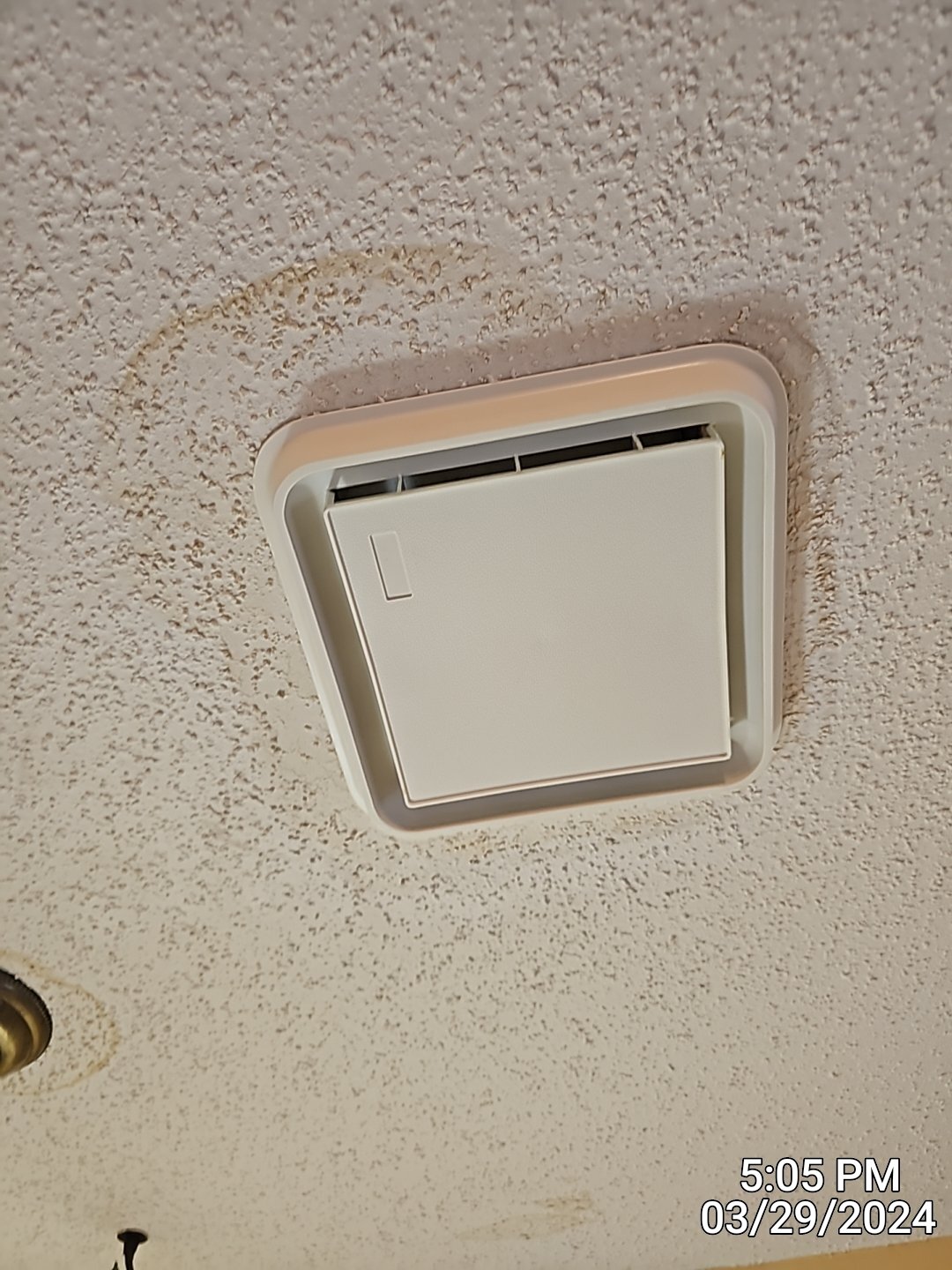
Mold behind drywall is frustrating because the most important clues are often indirect. You may not see fuzzy growth on the wall surface. Instead, you might notice a stale odor, a stain that keeps returning, paint that bubbles after a wet season, or one room that always feels damp compared with the rest of the house.
For Minnesota homeowners, those clues are worth taking seriously. Our homes deal with snowmelt, spring rain, summer humidity, ice dams, basement seepage, plumbing leaks, and long heating seasons that can create condensation in the wrong places. None of that means you should panic or start tearing open walls. It does mean you should slow down, look for patterns, and decide whether the situation needs professional inspection.
This guide explains how to tell if mold is behind drywall, what signs matter most, what you can safely check yourself, and when to call MN Mold Company for a mold inspection or remediation plan.
Why Mold Can Grow Behind Drywall
Drywall itself is not usually the main food source. The paper facing on drywall, dust, wood framing, insulation backing, and other organic materials nearby can support mold growth when moisture is present long enough. Mold needs moisture more than anything else.
Common moisture sources behind drywall include:
- A slow plumbing leak inside a wall cavity
- Water intrusion around windows, siding, flashing, or roofing
- Basement foundation seepage after rain or snowmelt
- Ice dam leaks that wet ceiling or upper wall cavities
- Condensation from cold exterior walls or poorly insulated rim joists
- Bathroom or laundry humidity that does not exhaust properly
- Past flooding or water damage that was dried only on the surface
Minnesota homes can be especially prone to hidden moisture because the temperature difference between indoor and outdoor air is dramatic for much of the year. Warm indoor air can meet cold wall surfaces and create condensation. Basements can also hold moisture after spring thaw, heavy rain, or sump pump issues. If drywall stayed damp for more than a short period, hidden mold becomes more likely.
The Most Common Signs Mold May Be Behind Drywall
No single sign proves mold is behind drywall. The strongest signal is a combination of moisture history, visible wall changes, and odor. Here are the clues homeowners should watch for.
A Musty Odor That Stays in One Area
A persistent musty smell is one of the most common reasons homeowners suspect hidden mold. The key word is persistent. If the odor returns after cleaning, airing out the room, or changing the trash, it may be coming from a damp building material rather than a surface mess.
Pay attention to where the smell is strongest. Is it near a basement wall, bathroom vanity, laundry room, exterior corner, finished lower level, or ceiling below a bathroom? Odor that is strongest along a wall or in a closed room can point toward hidden moisture.
Musty odor does not automatically mean there is a dangerous condition. It does mean the area deserves a closer look, especially if the smell started after a leak, storm, plumbing repair, or wet basement event.
Stains, Discoloration, or Shadowing
Water staining is one of the clearest signs that drywall has been wet. Brown, yellow, gray, or dark staining can appear after a leak dries. Sometimes the stain is obvious. Other times it looks like faint shadowing along a baseboard, ceiling line, window corner, or drywall seam.
If a stain grows, changes color, or returns after being painted over, there may still be moisture behind the surface. Paint can hide discoloration for a while, but it does not fix the moisture source. Repeated staining is a strong reason to investigate.
For a deeper look at what professionals check during a visit, see MN Mold Company’s guide on what a mold inspection includes.
Peeling Paint, Bubbling, or Soft Drywall
Drywall that has absorbed moisture often changes texture. Paint may bubble. Joint compound may crack. Wallpaper may peel. The wall may feel soft, swollen, or crumbly when gently pressed.
Do not push hard, cut into the wall, or start demolition just to check. Disturbing moldy material can spread debris and make cleanup more complicated. A gentle touch is enough. If the wall feels soft or damaged, note the location and look for the moisture source.
This is especially common near shower walls, under windows, around basement baseboards, below roof leaks, and behind appliances that use water.
Baseboards or Trim Pulling Away
Trim can reveal hidden moisture before the main wall surface does. Watch for baseboards that swell, separate from the wall, develop dark edges, or feel damp at the bottom. In finished basements, this can happen after water enters at the floor-wall joint and wicks upward into drywall.
If carpet near the wall smells musty or the tack strip rusts, that is another clue moisture may have reached building materials. Mold can grow behind trim, under flooring edges, or inside the lower part of drywall even when the middle of the wall looks normal.
Recent or Past Water Damage
The best predictor of hidden mold is a known moisture event. If drywall was wet and the wall cavity was not fully dried, mold may develop behind the surface. This can happen after:
- A burst pipe
- A leaking supply line
- A roof or ice dam leak
- A sump pump failure
- Basement seepage
- A toilet overflow
- A shower or tub leak
- Window leaks during wind-driven rain
If the area was dried quickly and thoroughly, mold growth may be limited or avoided. If drying was delayed, only surface drying was done, or insulation stayed wet, hidden growth is more likely. When in doubt, document what happened, when it happened, and what materials got wet.
Higher Moisture Readings
A moisture meter can help identify areas that are wetter than surrounding materials. Homeowners can buy basic pin or pinless meters, but readings are easy to misinterpret. Metal corner bead, wiring, foil-backed materials, and texture differences can affect results.
Use a meter as a screening tool, not a final answer. Compare suspected areas with a known dry area on the same wall type. If one area is consistently elevated, that supports further investigation. It does not by itself prove mold is present.
Condensation and Chronic Humidity
Hidden mold can develop even without a dramatic leak. Chronic condensation can be enough. In Minnesota, this often shows up on cold exterior walls, behind furniture placed tightly against outside walls, in closets with poor airflow, or near rim joists in basements.
If you see repeated condensation on windows, frost in corners, or dampness behind furniture, reduce indoor humidity and improve airflow. The right target humidity changes by season, but in winter, many Minnesota homes need lower indoor humidity to prevent condensation on cold surfaces.
For prevention ideas, MN Mold Company also has resources on dehumidifiers and mold prevention and why mold grows on clothes and other damp materials.
What You Can Safely Check Yourself
Before calling a professional, you can gather useful information without opening walls.
Start with a visual inspection. Look at the wall from multiple angles with good lighting. Check corners, baseboards, ceiling lines, window trim, outlet covers, and areas behind furniture. Look for staining, swelling, cracks, peeling paint, or surface growth.
Next, think through the moisture history. Has there been a leak, storm, roof issue, plumbing repair, wet basement, or humidifier problem? Did the issue happen recently, or could it have been going on for months?
Then use your nose. Close the room for a few hours, then re-enter and notice whether the odor is stronger. Compare it with adjacent rooms. A localized musty smell is more useful than a vague whole-house odor.
You can also check nearby plumbing fixtures. Look under sinks, behind toilets, around tubs, near washing machines, and below bathrooms. If there is active moisture, stop and address that first.
If you use a moisture meter, take several readings and write them down. Do not rely on one number. You are looking for a pattern.
What Not to Do
Avoid cutting holes in drywall just to see what is behind it. If there is mold growth, opening the wall can release dust and spores into the room and may turn a contained problem into a larger cleanup.
Avoid painting over stains without solving the moisture issue. Primer may hide discoloration, but hidden dampness will continue to damage materials.
For any packaged cleaner or mold-control product, follow the manufacturer's current product label and safety instructions. Product choice does not replace correcting the moisture source or evaluating affected materials.
Avoid assuming an at-home test kit can tell the whole story. Air and surface tests can be useful in some situations, but they do not replace finding the moisture source or inspecting the affected materials. If you are curious about test kits, see MN Mold Company’s guide to at-home mold test kits.
When to Call a Professional Mold Inspector
Call a professional if you have a persistent musty odor, visible water damage, soft drywall, recurring stains, elevated moisture readings, or a known leak that affected wall materials. You should also call if the suspected area is large, near HVAC components, in a finished basement, or connected to a water event that was not professionally dried.
A professional inspection can help answer three practical questions:
- Is there evidence of hidden moisture or mold?
- Where is the moisture coming from?
- What is the least disruptive way to fix it?
MN Mold Company can inspect the area, check moisture patterns, evaluate visible conditions, and recommend next steps. If remediation is needed, the goal is not to scare you into unnecessary work. The goal is to identify the source, protect unaffected areas, remove impacted materials when appropriate, and help prevent the issue from returning.
If you want to understand what professional cleanup can involve, see this overview of the professional mold removal process. For budgeting context, the article on mold inspection cost may also be helpful.
How MN Mold Company Helps Minnesota Homeowners
Hidden mold concerns are stressful because you cannot always see what is happening. MN Mold Company helps homeowners move from guessing to a clear plan. That may include inspection, moisture assessment, identifying likely sources, explaining options, and performing remediation when needed.
If you suspect mold behind drywall in a Minnesota home, the best next step is not demolition. It is a careful inspection. A trained professional can help determine whether the wall needs to be opened, where to open it if necessary, and how to handle the area safely.
Schedule a mold inspection with MN Mold Company if you have a musty odor, past water damage, recurring stains, or drywall that feels soft or damp. A practical inspection can save time, reduce unnecessary damage, and help you fix the real moisture problem.
FAQ: Mold Behind Drywall
Can you tell if mold is behind drywall without opening the wall?
Sometimes you can identify strong warning signs without opening the wall, such as persistent musty odor, water stains, soft drywall, elevated moisture readings, or a known leak history. However, confirming what is inside the wall usually requires professional judgment and, in some cases, controlled access to the affected area.
Does a musty smell always mean mold is behind drywall?
No. A musty smell can come from damp carpet, stored items, floor drains, crawl spaces, HVAC issues, or other moisture sources. But if the odor is localized near a wall and does not go away after normal cleaning and ventilation, hidden moisture or mold should be considered.
Is mold behind drywall an emergency?
Not always. If there is active water leaking, stop the water source quickly. If the area is large, materials are soft, or the smell is strong and persistent, schedule an inspection soon. Most situations are best handled calmly and systematically rather than with panic demolition.
Can I remove mold behind drywall myself?
Small surface issues may be manageable for some homeowners, but mold behind drywall often involves hidden moisture, insulation, framing, and containment concerns. If the area is more than minor, keeps returning, or involves water-damaged building materials, professional inspection is the safer path.
Will painting over drywall mold fix it?
No. Paint may hide stains temporarily, but it does not remove mold growth inside materials or fix the moisture source. If drywall is wet, damaged, or moldy behind the surface, the underlying issue needs to be addressed.
What should I do first if I suspect mold behind drywall?
Look for moisture clues, document the area with photos, check nearby plumbing or exterior leak sources, and avoid cutting into the wall. Then contact MN Mold Company for an inspection if the signs point to hidden moisture or recurring mold conditions.