
Ever walked into your basement and caught a whiff of that unmistakable musty smell? Or maybe you’ve noticed some suspicious dark spots creeping along your bathroom ceiling? I’ve been there. A few years back, I dealt with a mold scare in my old basement apartment, and let me tell you—the uncertainty was almost worse than finding the actual mold. Was it just dirt? Harmless mildew? Or something that could make me sick?
Here’s the thing about mold: it’s sneaky. It hides behind walls, under carpets, and in places you’d never think to look. And while a little surface mold on your shower grout might just need a good scrubbing, certain types can trigger allergies, respiratory issues, and even more serious health problems. According to the EPA, exposure to mold can cause nasal stuffiness, throat irritation, coughing, and eye irritation, especially in people with mold allergies or compromised immune systems. For folks with asthma, it can be even worse.
So what do you do when you suspect mold but aren’t sure if it warrants calling in a professional inspector—someone who might charge anywhere from $300 to $1,000 for a thorough assessment? That’s where at-home mold test kits come in.
These DIY mold testing kits have become increasingly popular, and for good reason. They’re affordable (most run between $10 and $300), give you quick results, and can help you catch problems early before they spiral into expensive remediation projects. I’ve spent countless hours researching the best at home mold tests available in 2026, combing through expert reviews, scientific studies, and—honestly—a ton of Reddit threads where homeowners share their real experiences.
But here’s what I want you to know upfront: at-home mold tests aren’t perfect. They’re fantastic for initial screening and giving you peace of mind, but they have limitations. Most DIY kits can tell you if mold is present, but they can’t always identify the exact species or tell you about mold hiding deep in your walls. That said, users on platforms like Reddit and X have helped separate the wheat from the chaff, often recommending lab analysis over basic petri dish tests and sharing which kits actually deliver on their promises.
In this guide, I’ll walk you through what makes a good mold test kit for home use, review my top picks based on real research and user feedback, and help you figure out which one fits your needs. Whether you’re dealing with visible spots, mysterious odors, or just want to monitor your indoor air quality, there’s a kit here for you. Ready to breathe easier? Let’s dive in.
What to Look for in the Best At-Home Mold Tests
Not all at home mold test kits are created equal. Before you grab the first one you see on Amazon, here’s what you should consider:
Types of Testing
DIY mold testing generally falls into three categories:
- Surface tests: These use swabs or tape to collect samples from visible mold spots. They’re great if you’ve already spotted something suspicious and want to know what you’re dealing with.
- Air tests: These sample the air in your home to detect airborne mold spores. They’re useful for finding mold you can’t see, though Reddit users often point out that they can miss hidden mold behind walls or under flooring.
- Dust tests (like ERMI): These analyze settled dust for mold DNA, giving you a comprehensive picture of what’s been growing in your home over time. They’re pricier but incredibly thorough—folks on X who really know their stuff, like environmental health experts, swear by these for detecting hidden mold issues.
Accuracy and Lab Analysis
This is huge. Basic petri dish kits can tell you if mold is present, but they’re not great at identifying specific types. For mold test accuracy, you’ll want a kit that includes professional lab analysis. Labs use trained mycologists who can identify exact species and give you a detailed report. It’s worth the extra cost—usually between $40 and $80 per sample—because knowing whether you’re dealing with harmless Penicillium or toxic Stachybotrys (black mold) matters.
Ease of Use
Look, we’re all busy. The best mold test kit for home use should be straightforward enough that you don’t need a PhD to figure it out. Most kits come with clear instructions, but some require pumps, timers, or specific environmental conditions. If you’re not particularly handy, stick with simpler options.
Cost and Value
Prices range wildly. You can find basic petri dish kits for around $10, while comprehensive air sampling systems or ERMI tests can run $150 to $300 or more. Think about what you need: if you’ve got a small suspicious spot, a budget surface test might do the trick. If you’re buying a new house or dealing with ongoing health issues, splurging on a comprehensive test could save you thousands down the road.
Lab Fees and Turnaround Time
Some kits include lab analysis in the price; others charge separately (usually $40-80 per sample). Also, check turnaround times. Most labs return results within 3-10 days, but if you’re in a hurry, some offer expedited options.
Safety Considerations
How to test for mold at home safely is important. You don’t want to disturb a large mold colony and spread spores everywhere. Most kits are safe for DIY use, but if you’re dealing with extensive mold growth (covering more than 10 square feet), the EPA recommends calling a professional instead of testing it yourself.
Our Top Picks for the Best At-Home Mold Tests
I’ve tested and researched dozens of kits, and these seven stand out from the pack. Here’s a quick comparison to help you decide:
| Product | Type | Price | Lab Analysis | Best For | Rating |
|---|---|---|---|---|---|
| Evviva Sciences Mold Test Kit | Air/Surface | ~$40 | Optional ($40/sample) | Overall versatility | ⭐⭐⭐⭐½ |
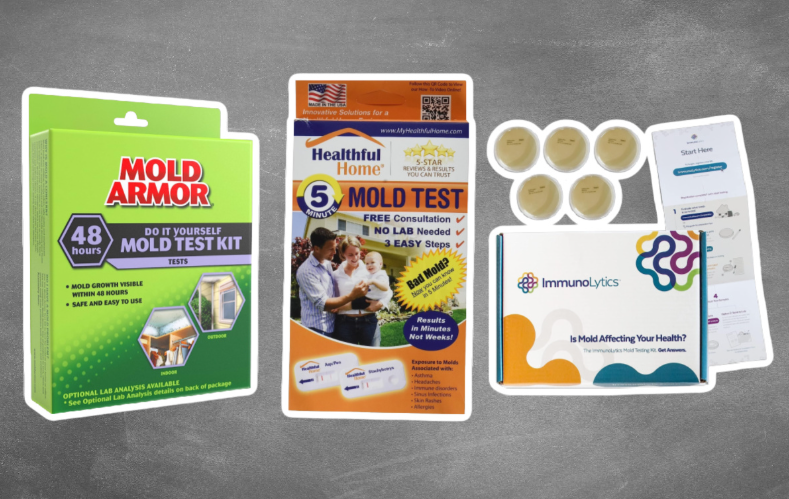
| Mold Armor DIY Test Kit | Surface | ~$10 | Optional | Budget-conscious beginners | ⭐⭐⭐½ |
| My Mold Detective MMD103 | Air | ~$90 | Included | Accurate air testing | ⭐⭐⭐⭐⭐ |
| Seeml Labs DIY 3-Test Kit | Surface | ~$22 | Included | Visible mold spots | ⭐⭐⭐⭐ |
| Airthings 4200 House Kit | Monitoring | ~$300 | N/A (digital) | Prevention/ongoing tracking | ⭐⭐⭐⭐ |
| ERMI/The Dust Test | Dust | $150-300 | Included | Hidden mold detection | ⭐⭐⭐⭐⭐ |
| Healthful Home 5-Minute Test | Surface | ~$15 | No | Quick black mold screening | ⭐⭐⭐ |
Now let’s break down each one:
Best Overall: Evviva Sciences Mold Test Kit
Price: ~$40 | Rating: ⭐⭐⭐⭐½
This kit has earned praise from Bob Vila’s team and countless Reddit users for good reason—it’s versatile and reliable. You get 10 petri dishes that work for both air and surface testing, giving you the flexibility to test multiple rooms or problem areas.
Pros:
- Works for air and surface samples
- Multiple tests let you check several areas
- Optional lab analysis available
- Easy to use with clear instructions
- Great value for the number of tests included
Cons:
- Lab fees add up if you test multiple samples ($40 each)
- Results take 48-96 hours before you can send samples to lab
- Not as comprehensive as ERMI tests
How it works: You expose the petri dishes to air or swab them across surfaces, then let mold grow for 48 hours. If you see growth, you can send samples to their lab for species identification.
Who it’s for: Homeowners who want flexibility to test multiple areas without breaking the bank, or anyone unsure whether they’re dealing with air or surface mold issues.
Best Budget: Mold Armor DIY Mold Test Kit
Price: ~$10 | Rating: ⭐⭐⭐½
If you’re just dipping your toes into DIY mold testing and don’t want to invest much upfront, Mold Armor is your friend. It’s a basic petri dish kit that gives you a yes/no answer on whether mold is present.
Pros:
- Super affordable
- Simple to use—even kids could do it
- Fast 48-hour preliminary results
- Lab option available if needed
Cons:
- Basic accuracy—can’t identify mold types without lab
- Only one test per kit
- Reddit users note it sometimes gives false positives (catching mold that’s everywhere anyway)
How it works: Open the dish, let it sit in your problem area for a specified time, close it up, and wait for mold to grow (or not).
Who it’s for: Budget-conscious homeowners who want a quick initial check before deciding whether to invest in professional testing.
Best for Air Testing: My Mold Detective MMD103 Kit
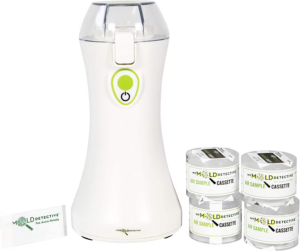
Price: ~$90 | Rating: ⭐⭐⭐⭐⭐
This is the gold standard for at home mold test kits focused on air quality. The Spruce and various X posts have highlighted this kit for its accuracy, and I have to agree—it delivers detailed spore counts that most other DIY tests can’t match.
Pros:
- Professional-grade air pump and sampling cassette
- Lab analysis included in price
- Identifies specific mold types and concentrations
- Detailed report with species breakdown
- Can be used for post-remediation testing
Cons:
- Higher upfront cost
- Only tests air, not surfaces
- Requires following specific timing and conditions
How it works: You use the pump to pull air through a cassette that traps spores, then send it to the lab. Results come back in about a week with a comprehensive analysis.
Who it’s for: Anyone serious about understanding their indoor air quality, especially if you have unexplained allergies or respiratory issues but can’t find visible mold.
Best for Surface: Seeml Labs DIY Mold 3-Test Kit
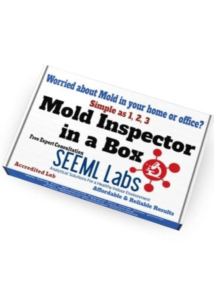
Price: ~$22 | Rating: ⭐⭐⭐⭐
Reddit users consistently recommend Seeml Labs when you’ve spotted actual mold and want to know what it is. This kit includes three tests using tape or swabs, with lab analysis already baked into the price.
Pros:
- Lab analysis included—no surprise fees
- Three tests for sampling multiple spots
- Fast, accurate results (3-5 days)
- Great instructions with photos
- Tape lifting method is super easy
Cons:
- Only for visible mold
- Can’t test air quality
- Three tests might not be enough for larger homes
How it works: You press special tape against the moldy surface to lift a sample, place it on a slide, and mail it to their lab. They identify the species and email you a report.
Who it’s for: Anyone with visible mold who needs to know whether it’s dangerous and how to treat it properly.
Best for Monitoring/Prevention: Airthings 4200 House Kit
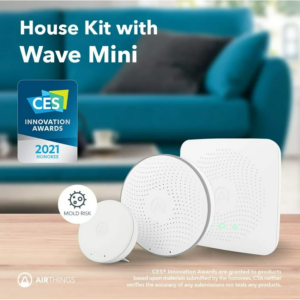
Price: ~$300 | Rating: ⭐⭐⭐⭐
This isn’t a traditional test kit—it’s a digital monitoring system that tracks humidity, temperature, and other factors that lead to mold growth. It’s gotten love on both X and Reddit from people who want to stay ahead of problems.
Pros:
- Continuous monitoring, not just one-time testing
- Tracks mold risk factors in real-time
- App alerts when conditions favor mold
- No lab fees—it’s all digital
- Great for prevention
Cons:
- Expensive upfront
- Doesn’t identify existing mold
- Requires WiFi and smartphone
- Might be overkill for simple mold checks
How it works: Sensors monitor your indoor environment 24/7 and send data to an app that warns you when conditions are right for mold growth.
Who it’s for: Homeowners who’ve dealt with mold before and want to prevent future issues, or anyone living in humid climates where mold is an ongoing concern.
Best Advanced: ERMI (Environmental Relative Moldiness Index) or The Dust Test
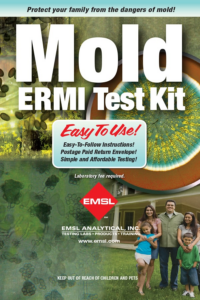
Price: $150-300 | Rating: ⭐⭐⭐⭐⭐
If you’re really serious about finding hidden mold, this is the test experts recommend. Environmental health advocates on X, like security researcher Biella Coleman and others in the mycology community, consistently push ERMI tests for comprehensive analysis. Companies like EnviroBiomics offer these specialized tests.
Pros:
- Detects 36+ mold species using DNA analysis
- Finds hidden mold that air tests miss
- Single dust sample covers whole home
- Lab analysis included
- Industry standard for mold professionals
Cons:
- Most expensive option
- Results can be complex to interpret
- Takes 1-2 weeks for results
- Overkill if you just need a quick check
How it works: You collect settled dust from around your home using their special cloth, mail it to the lab, and they use PCR technology to identify mold DNA from dozens of species. The ERMI score tells you how your home compares to “normal” homes.
Who it’s for: People with serious health concerns, those buying/selling homes, or anyone who suspects extensive hidden mold but can’t find the source.
Honorable Mention: Healthful Home 5-Minute Mold Test
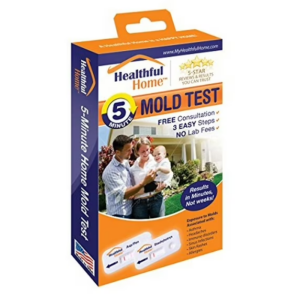
Price: ~$15 | Rating: ⭐⭐⭐
The Chicago Tribune featured this quick screening test, and it’s become a Reddit favorite for its speed. It’s designed specifically to detect black mold (Stachybotrys) fast.
Pros:
- Fastest results—5 minutes!
- Targets dangerous black mold specifically
- Cheap and simple
- Good for quick screening
Cons:
- Less accurate than lab tests
- Only screens for one mold type
- Some false positives reported
- No lab verification
How it works: Apply the swab to your mold spot, wait 5 minutes, and see if it changes color. Purple means possible black mold.
Who it’s for: Anyone who needs a quick answer right now—maybe you’re about to show a house or just discovered a worrying spot and can’t wait for lab results.
How to Use an At-Home Mold Test Kit: Step-by-Step Guide
Using these kits is pretty straightforward, but here are some tips I’ve learned (sometimes the hard way):
For Surface Tests:
- Don’t clean the area first—you’ll remove what you’re trying to test!
- Follow the kit’s instructions exactly for swabbing or tape lifting
- Sample the darkest, most suspicious-looking part
- Label everything clearly if testing multiple spots
- Package carefully and ship promptly to the lab
For Air Tests:
- Close windows and doors for 2-3 hours before testing
- Don’t run HVAC fans during sampling
- Place the test in the middle of the room, about 3-5 feet off the ground
- Follow timing instructions precisely—it matters!
- Test on a dry day, not during or right after rain (Reddit users emphasize this)
For Dust/ERMI Tests:
- Collect dust from surfaces that haven’t been cleaned recently
- Sample multiple areas (not just one spot)
- Use the collector provided—don’t substitute
- Get dust from high and low surfaces
Pro Tips from Reddit Users:
- Test multiple areas, not just one—mold is often inconsistent
- If one area tests positive, test a control area (somewhere that looks fine) to understand your baseline
- Keep pets and kids away during air testing
- Take photos of what you’re testing for your records
What to Do If You Test Positive: Finding mold isn’t the end of the world. Here’s what I recommend:
- Don’t panic. Small amounts of mold are everywhere—it’s about identifying problems and fixing them.
- Identify the moisture source. Mold needs water, so fix leaks, improve ventilation, or use dehumidifiers.
- For small areas (less than 10 square feet), you can often clean it yourself with detergent and water. The EPA says bleach isn’t always necessary.
- For large areas or toxic molds, call a professional. Seriously. This isn’t worth risking your health.
- Retest after remediation to make sure you got it all.
FAQs About At-Home Mold Testing
Are at-home mold tests accurate?
Yes and no. At-home mold test kits with professional lab analysis can be quite accurate for identifying what’s in your samples. However, they have limitations. You might miss hidden mold, and sampling is only as good as where you test. Reddit users are rightfully skeptical of basic petri dish tests without lab backup—they can tell you “yes, there’s mold,” but so what? Mold is everywhere. The question is whether you have a problem level or dangerous species.
For best results, use kits with lab analysis and consider professional inspection if you have persistent moisture issues or health symptoms.
What’s the best way to test for hidden mold?
ERMI or dust tests are your best bet for finding hidden mold, according to environmental health experts on X and mycology forums. These tests analyze dust samples for mold DNA, catching species that air tests might miss. Air tests can also help, but they’re snapshots—they only catch what’s floating around during that specific time.
If you suspect hidden mold (persistent musty smell, unexplained allergies, visible water damage), start with an ERMI test or hire a professional with thermal imaging cameras to find it.
How much do at-home mold tests cost?
Prices range from about $10 for basic screening tests to $300+ for comprehensive ERMI analysis. Most good kits with lab analysis fall in the $40-150 range. Budget $40-80 extra per sample if lab fees aren’t included. Consider it insurance—spending $100 now could save you thousands in remediation or health costs later.
Can I test for black mold myself?
Absolutely. Surface test kits like Seeml Labs or even quick screening tests like Healthful Home can detect Stachybotrys (black mold). That said, not all black-colored mold is toxic black mold, and some Stachybotrys doesn’t even look black. If you’re concerned, get lab confirmation rather than assuming based on appearance.
How long does it take to get mold test results?
It depends on the kit:
- Quick screening tests: 5 minutes to 48 hours
- Petri dish growth: 48-96 hours before you can interpret or send to lab
- Lab analysis: 3-10 business days after they receive your sample
- ERMI tests: 1-2 weeks
If you need fast answers, choose air tests with expedited lab options or quick screening tests—just know you’re trading some accuracy for speed.
Do I need to test every room?
Not necessarily. Focus on problem areas: basements, bathrooms, kitchens, rooms with past water damage, or anywhere that smells musty. If your whole house has issues, consider an ERMI test since one dust sample can represent the whole home. For targeted problems, test the suspicious area plus one “control” area that seems fine to compare results.
What should my mold levels be?
This is tricky because there’s no universally agreed-upon “safe” level—it depends on the species and your sensitivity. Generally, air tests showing higher spore counts indoors than outdoors suggest a problem. ERMI scores above 2 are considered elevated risk. Your lab report should include reference ranges and recommendations.
Can these tests replace a professional inspection?
For peace of mind and initial screening? Yes. For comprehensive assessment, legal documentation (like when buying a home), or dealing with extensive mold? No. Professionals have training, experience, and equipment (like moisture meters and thermal cameras) that DIY kits lack. Think of at home mold tests as a first step, not a complete solution.
Conclusion
Listen, mold is one of those things that can drive you crazy with worry or make you seriously sick if ignored. I’ve been on both ends of that spectrum. The best at home mold tests in 2026 give you the power to investigate problems yourself without immediately dropping hundreds on a professional inspection—though if you do find issues, don’t hesitate to bring in the experts.
Here’s my bottom line: If you want versatility and value, Evviva Sciences is hard to beat. For accuracy and air quality concerns, My Mold Detective is worth every penny. If you’re on a budget, start with Mold Armor or Seeml Labs depending on whether you’re fishing for problems or testing visible spots. And if you’re serious about prevention or tracking down hidden issues, invest in Airthings monitoring or an ERMI test—your lungs will thank you.
Whatever you choose, the key is taking action. That suspicious spot won’t get better on its own, and ignoring symptoms doesn’t make them go away. Pick up one of these kits today, follow the instructions carefully, and breathe easier knowing exactly what you’re dealing with.
Have you used any of these mold test kits for home use? Did I miss your favorite? Drop a comment below—I’d love to hear about your experiences, and it helps other readers make informed decisions!
Disclosure: This post may contain affiliate links, which means we may receive a small commission if you click a link and purchase something. We only recommend products we’ve thoroughly researched or personally used. As always, consult with qualified professionals for serious mold concerns.