
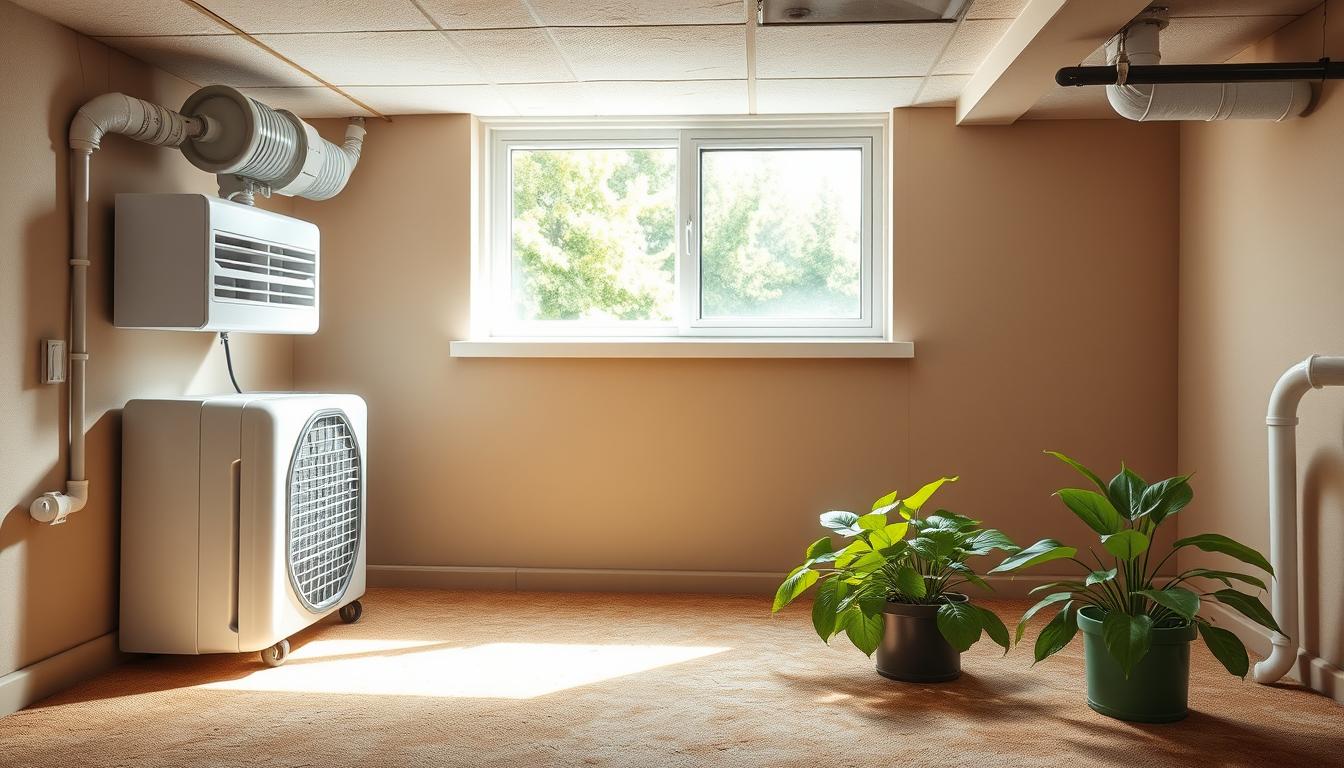
A musty smell in the basement with no visible mold is one of those home problems that can make you second-guess yourself. You walk downstairs, notice the odor, look around, and see nothing obvious. No fuzzy patch on the wall. No black staining. No puddle. Just that damp, stale smell that seems to come back no matter how much you air things out.
For Minnesota homeowners, this is common enough that it should not cause panic, but it should not be ignored either. Basements here deal with spring thaw, heavy summer humidity, sump pump issues, older foundations, cold wall surfaces, and finished walls that can hide moisture. A musty odor does not automatically mean you have a large mold problem. It does mean moisture is probably part of the story.
This guide explains why a basement can smell musty even when you cannot see mold, what to check safely, what not to do, and when it makes sense to call MN Mold Company for a professional inspection.
Why a Basement Can Smell Musty Without Visible Mold
A musty smell usually points to damp materials, poor airflow, microbial activity, or a combination of all three. Mold is one possible cause, but so are wet cardboard boxes, damp carpet pad, an old floor drain, a humid storage area, or moisture trapped behind finished basement walls.
The reason it feels confusing is simple: the odor can come from places you cannot see. Basements have many hidden surfaces. The backside of drywall, bottom plates, carpet pad, insulation, rim joist areas, and stored belongings can hold moisture while the visible room looks normal.
That is why the best first question is not, "Where is the mold?" It is, "Where is the moisture coming from?"
If the moisture source is active, the smell will usually return after cleaning. If the source was a past event, the odor may linger in porous materials that were never fully dried or removed. In either case, finding the source matters more than masking the smell.
Common Minnesota Basement Causes
Minnesota basements have a few predictable moisture patterns. Some happen during spring thaw. Some happen during humid summers. Others show up in winter when warm indoor air meets cold surfaces.
Spring snowmelt and heavy rain can push moisture toward the foundation. If grading, gutters, downspouts, drain tile, or sump systems are not working well, moisture can enter at the floor-wall joint or through small cracks. You may not see standing water. Sometimes the only clue is a damp smell near one wall, corner, or storage area.
Summer humidity can also make a basement smell musty. Basement air is naturally cooler, so humid air can condense on cool surfaces. If the basement is closed up and airflow is limited, humidity can stay high for long periods. Stored boxes, fabric, carpet, and unfinished wood can absorb that moisture.
Winter can create a different problem. Cold exterior walls, rim joists, or poorly insulated areas can create condensation. This is especially common behind furniture, in closets, and along basement perimeter walls where air movement is limited.
Finished basements add another layer. Drywall, trim, insulation, carpet, and built-in cabinets can hide dampness until odor becomes the first noticeable clue. If you are also seeing wall changes, the related guide on how to tell if mold is behind drywall is a good next read.
Places to Check First
Start with the simplest visible checks. You are looking for patterns, not trying to prove everything in one pass.
Walk the basement slowly and notice where the odor is strongest. Is it near the stairs, a bathroom, a utility room, a finished wall, the sump basin, a storage area, or a floor drain? Close the basement for a few hours, then re-enter and pay attention to where the smell hits first.
Check the floor-wall joint around the perimeter. Look for staining, efflorescence, peeling paint, darkened trim, swollen baseboards, rusty carpet tack strips, or damp concrete. Even if the wall looks dry today, these clues can show where moisture has entered before.
Look around the sump pump and floor drain. A dry trap or dirty drain can create odor that feels like a basement mold smell. That does not rule out moisture elsewhere, but it is worth checking before assuming the wall cavity is the source.
Move stored items away from exterior walls. Cardboard boxes, paper, fabric, rugs, and old furniture can hold moisture and smell musty even if the building materials are okay. If the smell is strongest around stored items, remove them from the basement or dry them thoroughly before deciding the odor is coming from the structure.
Inspect carpet and padding if the basement is finished. Carpet can look dry on top while the pad underneath holds odor. Pay close attention to edges near walls, around old water events, and near exterior doors or windows.
Check plumbing areas. Laundry hookups, utility sinks, bathroom vanities, toilets, water heaters, humidifiers, and refrigerator lines can all create slow leaks. A small leak can feed odor for a long time before it becomes visually obvious.
Use Humidity and Moisture Clues
A dehumidifier can help if the problem is general humidity. It will not fix a foundation leak, plumbing leak, wet carpet pad, or hidden wall moisture. If the smell improves only while the dehumidifier runs and returns quickly when it stops, that tells you moisture is still part of the environment.
For general prevention, MN Mold Company has a related guide to dehumidifiers and mold prevention. The key point is that equipment helps most when the moisture source is understood.
A moisture meter can also help, but use it carefully. Compare readings in suspicious areas with readings from similar materials that seem dry. One number by itself is not very meaningful. A consistent pattern of higher readings along one wall, under a window, near a bathroom, or by a basement corner is more useful.
Do not cut into walls just to investigate. If hidden mold is present, opening materials without a plan can spread dust and make the cleanup more complicated.
When the Smell Points to Hidden Mold
A musty basement smell is more concerning when it is persistent, localized, or tied to a known water event. Hidden mold becomes more likely when odor is strongest near a specific wall, the lower part of drywall, a finished corner, or an area that has been wet before.
Watch for supporting signs:
- Staining or discoloration near baseboards
- Soft, swollen, or crumbling drywall
- Peeling paint or bubbling wall surfaces
- Recurring dampness after rain or snowmelt
- Rusty metal near the floor line
- Carpet that smells musty even after cleaning
- Stored items that repeatedly feel damp
- Odor that returns after ventilation and cleaning
None of these signs prove the size or severity of a mold problem. They do suggest the basement needs a closer moisture investigation.
If mold keeps returning after cleaning, the issue is often the moisture source, not the cleaning product. MN Mold Company’s article on why mold keeps coming back explains this pattern in more detail.
What Not to Do
Do not cover the smell with air fresheners and assume the issue is solved. Fragrance can hide odor temporarily, but it will not dry materials or fix a leak.
Do not paint over stains or seal baseboards without understanding the moisture source. Paint can make a wall look better while dampness remains behind it.
For any packaged cleaner or mold-control product, follow the manufacturer's current product label and safety instructions. Product choice does not replace correcting the moisture source or evaluating affected materials.
Do not start tearing out drywall just because the basement smells musty. Sometimes removal is necessary, but it should be targeted. A professional inspection can help decide where, whether, and how materials should be opened.
Do not rely only on an at-home mold test kit. Tests can sometimes provide information, but they do not locate the moisture source or show what is happening behind walls. If you are weighing testing options, this guide to at-home mold test kits can help set expectations.
When to Call MN Mold Company
Call a professional when the odor is persistent, localized, recurring, or connected to a water event. It is also smart to call if the basement is finished, if drywall or trim appears damaged, if carpet may have been wet, or if you are unsure whether the smell is coming from building materials or stored belongings.
A good inspection should help answer practical questions:
- Is there evidence of active moisture?
- Where is the odor most likely coming from?
- Are finished materials hiding a problem?
- Does anything need to be opened or removed?
- What can be done to prevent the odor from returning?
MN Mold Company can inspect the basement, check visible conditions, look for moisture patterns, and recommend next steps. The goal is not to scare you. The goal is to move from guessing to a clear plan.
If remediation is needed, the process may include containment, removal of affected materials, cleaning, and correcting the moisture source. For a broader overview, see the guide to the professional mold removal process.
If you are budgeting for an inspection, MN Mold Company also has a plain-English article on mold inspection cost.
A Practical Basement Smell Checklist
Use this quick checklist before your inspection call:
- Note when the smell is strongest: after rain, during humid weather, after snowmelt, or all the time.
- Identify the strongest odor location.
- Check the sump pump area and floor drains.
- Look for stains, swollen trim, peeling paint, or damp carpet edges.
- Move cardboard and fabric storage away from exterior walls.
- Measure basement humidity for several days.
- Write down any past water events, leaks, or flooding.
- Take photos of suspicious areas.
This information helps a professional narrow the inspection and understand the history of the space. It can also help separate a general humidity problem from a localized hidden moisture issue.
FAQ
Can a basement smell musty without mold?
Yes. Damp storage, high humidity, floor drains, old carpet pad, and poor airflow can all create musty odors. However, persistent musty odor often means moisture is present somewhere, and hidden mold is one possibility worth investigating.
Can there be mold behind basement walls if I cannot see it?
Yes. Mold can grow on the backside of drywall, lower wall materials, wood framing, insulation facing, or other hidden surfaces if moisture is present long enough. Visible mold is not always the first sign.
Will a dehumidifier fix a musty basement smell?
Sometimes. A dehumidifier can help when the issue is general humidity. It will not solve an active leak, foundation seepage, wet carpet pad, or hidden damp wall materials. If the smell keeps returning, look deeper.
Should I get mold testing for a musty basement?
Testing can be useful in some situations, but inspection and moisture source identification usually matter first. A test result does not fix the source of the odor. A professional can help decide whether testing is appropriate.
Is a musty basement smell dangerous?
When should I schedule a basement mold inspection?
Schedule an inspection if the smell is persistent, localized, connected to water damage, or coming from a finished basement wall, carpeted area, or storage zone that may have been damp. MN Mold Company can help identify the likely source and recommend the next step.